
Reviewed · BRUSSELS CHOCOLATE TOURS & WORKSHOPS
Brussels: Make Your Own Chocolates Workshop with Tastings
Chocolate and Champagne sounds like a win.
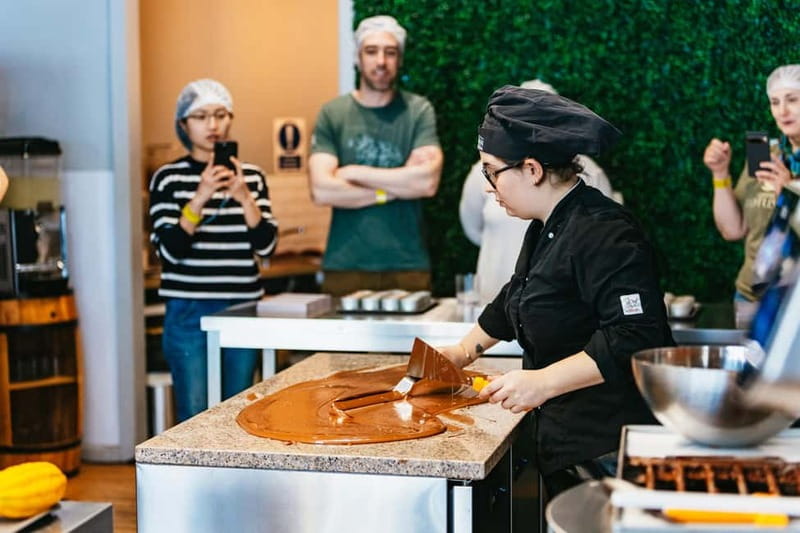
This workshop in Brussels is hands-on, with you making a chocolate bar, truffles, and mendiants, plus tastings that walk you through cacao from Haiti. You also end with a look at the production steps in the laboratory—no bean-to-bar fantasy promises, just solid chocolate craft and serious tasting.
What I like most: you get to work with ethical, sustainable cacao and taste it at multiple stages, not only finished chocolate. And the whole thing is taught by a real chocolatier who turns the process into an upbeat mini-lesson; in past sessions, guides like Elisabeth (spelled as seen in participant notes) have made the experience both fun and educational.
One thing to consider: it’s short and structured. If you want a long, relaxed chocolate “hangout,” this isn’t it, and late arrivals aren’t accepted once it starts.
In This Review
- Quick Hits (The Stuff You’ll Actually Care About)
- Brussels Chocolate Workshop: 90 Minutes of Hands-On Candy Wisdom
- What Happens When You Arrive (and Why It Feels Like a Real Workshop)
- Belgium’s Chocolate Reputation, Explained with Tastings
- The Making Part: Your Chocolate Bar, Truffles, and Mendiants
- 1) Your personalized chocolate bar
- 2) Mendiants and truffles
- Take-home packaging
- Ethical Cacao Lesson: Haiti, Sustainability, and What You’ll Notice
- Laboratory Visit: What You’ll See After You Finish Making
- Champagne Mood, Aprons, Hairnets, and the Store Discount
- Price and Value: Is $108 Worth It?
- Logistics Near Gare Centrale: Easy to Fit Into a Brussels Day
- Who This Workshop Fits Best (and Who Should Skip It)
- Tips to Get the Most Out of It
- Should You Book This Brussels Chocolate Workshop?
Quick Hits (The Stuff You’ll Actually Care About)
- Make three types: a personalized chocolate bar plus mendiants and truffles
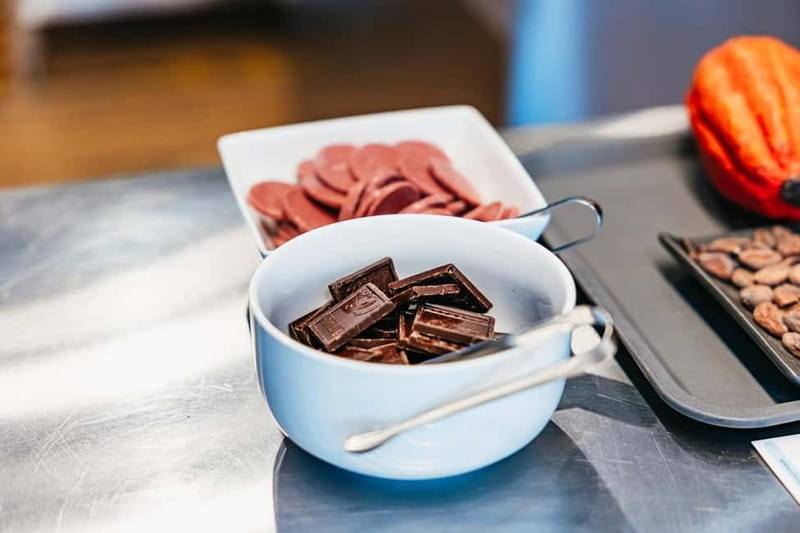
- Taste cacao multiple ways: beans, cacao liqueur (before sugar), and a mucilage granité
- Apron + champagne at arrival, then a winter hot chocolate or summer lemonade while you work
- Laboratory visit after the making part (limited to max 2 people at a time)
- 20% store discount tied to the workshop wristband/quiz card system
Brussels Chocolate Workshop: 90 Minutes of Hands-On Candy Wisdom
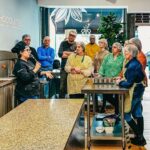
This is a workshop built for people who want more than a demo. You’re not watching someone else do all the work while you take notes. You’re at the table making chocolates, tasting along the way, and then finishing with a lab visit so you can see how the steps connect.
The pacing is designed to keep things moving: arrival, drink, apron, making, tastings, then the laboratory. That means you’ll leave with boxes of your own creations—but you won’t leave thinking you became a chocolatier overnight. The experience is clear about that: it focuses on enjoying and learning the craft, not on teaching full bean-to-bar production from scratch.
Room for more praline? Other chocolate sessions
- Choco-Story Brussels: Chocolate Museum Entrance with Tasting
★ 4.3 · 4,883 reviews - Hungry Mary’s Famous Beer and Chocolate Tour in Brussels
★ 5.0 · 2,258 reviews - Brussels: Belgian Chocolate Making Workshop with Tastings
★ 4.7 · 1,629 reviews
What Happens When You Arrive (and Why It Feels Like a Real Workshop)
Your start point is the Belgian Chocolate Makers training centre area, by Place de la Justice 5. It’s near Gare Centrale and Mont des Arts, which makes it easy to pair with a day of sightseeing.
Once you check in, you’ll get your ticket checked first, then you’ll receive a hairnet and a wristband to access the activity. You’ll also get a quiz card that’s tied to an automatic 20% discount in their stores, so you can turn the workshop into a little shopping mission after.
Then comes the welcome: a glass of Taittinger champagne at arrival. After that, you’ll get your apron (with their logo) and the work can begin. In winter you get hot chocolate; in summer, lemonade. It’s not a meal, but it keeps the mood celebratory while you’re hands-on.
Belgium’s Chocolate Reputation, Explained with Tastings
Belgium is famous for chocolate for a reason, and this workshop doesn’t treat that fame like marketing fluff. Instead, it shows you how chocolate changes as ingredients and processing change.
You’ll taste cacao at several steps, including:
- Cacao beans themselves
- Cacao liqueur before sugar is added
- A mucilage granité, which is a nice reminder that cacao isn’t just a bar-shaped product
You’ll also taste chocolates from different origins as part of the experience. That matters because it helps you understand why two “dark chocolates” can taste totally different. It’s one thing to read about terroir and origin. It’s another to taste the difference while someone guides you through what you’re tasting.
The Making Part: Your Chocolate Bar, Truffles, and Mendiants
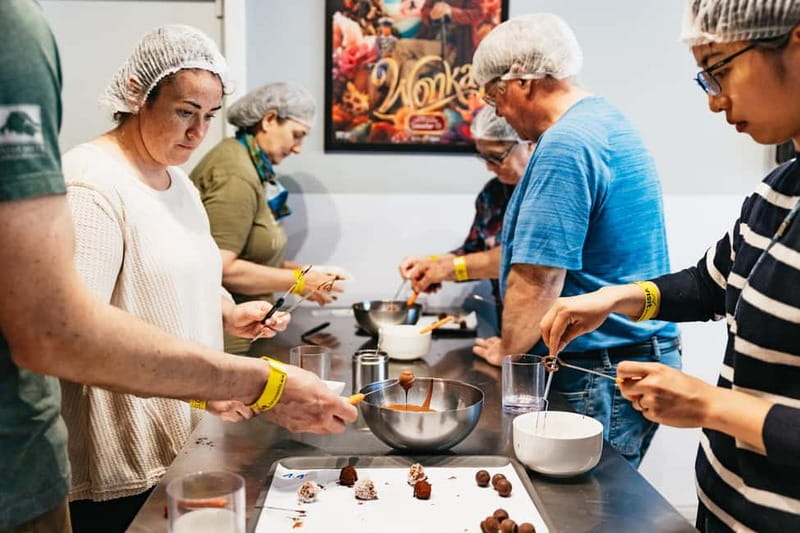
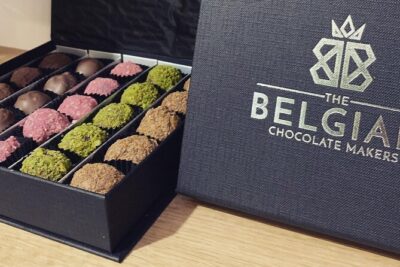
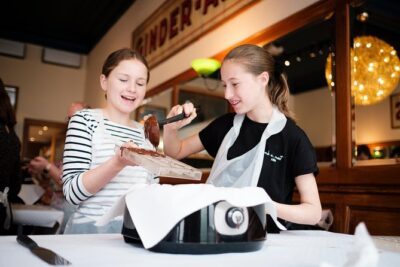
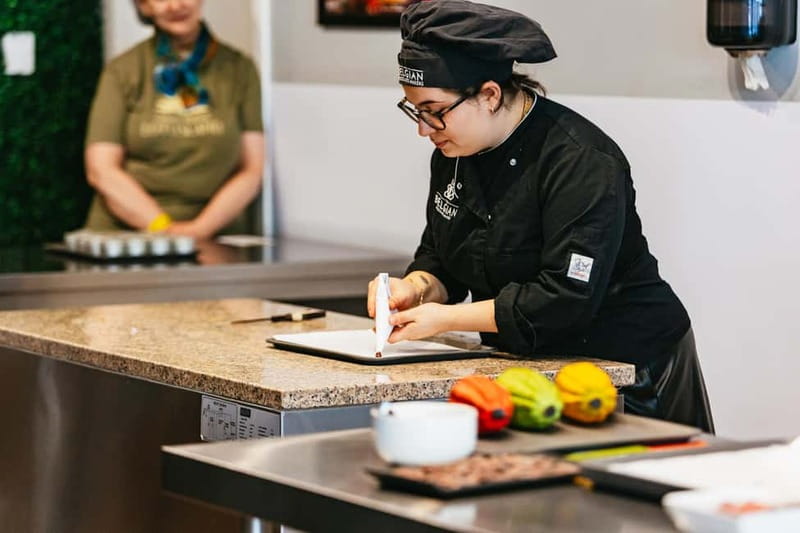
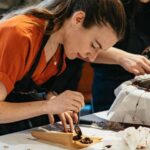
This is the heart of the experience: you work alongside a chocolatier to create three different chocolate treats. The workshop is structured so you actually get to finish and take home what you made.
More hands-on afternoons to book

1) Your personalized chocolate bar
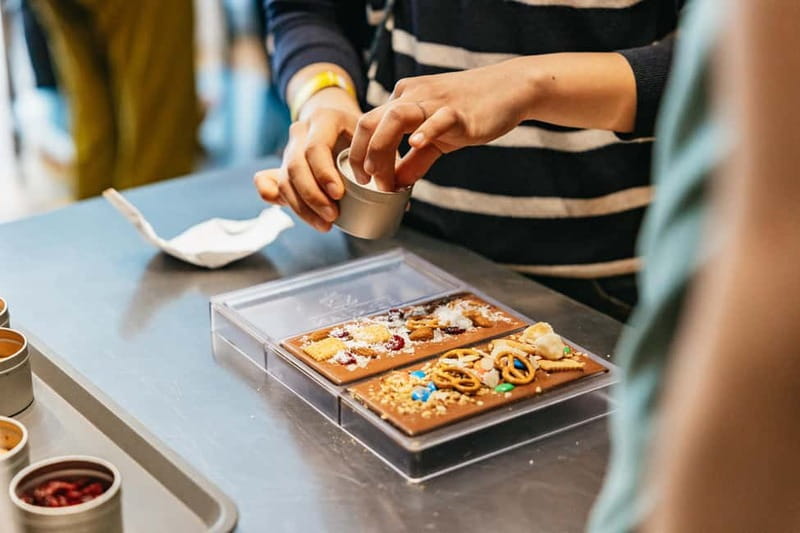
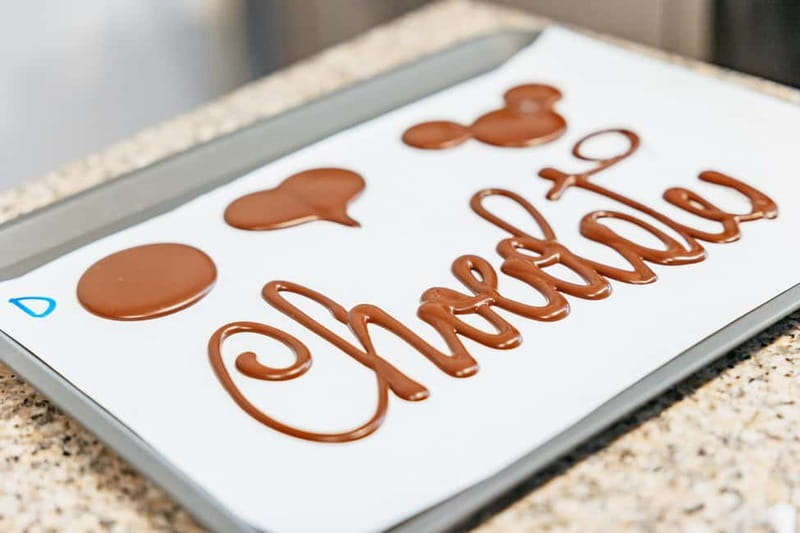
You’ll make a chocolate bar with your own personalization. The key here isn’t just the final look—it’s that you’re learning the idea of how ingredients and tempering-style decisions affect texture and taste. You don’t need to know the chemistry to appreciate what changes when you follow instructions closely.
2) Mendiants and truffles
You’ll also make mendiants and truffles, which is a great combo because the techniques and textures are different. Truffles tend to be richer and creamier; mendiants bring in a crunchy, decorative top. The workshop keeps it practical, so you leave with treats you can actually share.
Take-home packaging
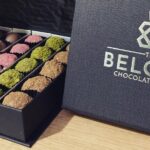
At the end, you pack up your creations to take home. That’s one of those small details that makes the experience feel more complete—your work doesn’t end when you walk out the door. You’ll have something ready for friends, family, or a solo midnight snack plan.
Ethical Cacao Lesson: Haiti, Sustainability, and What You’ll Notice
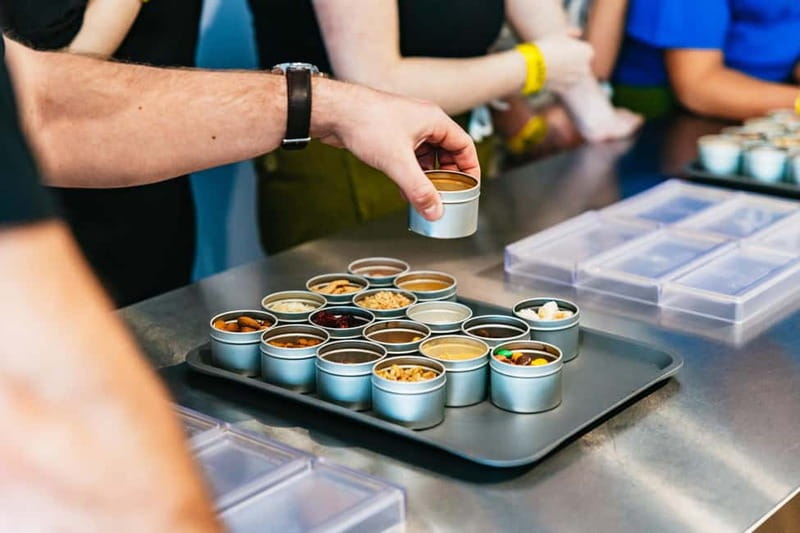
The workshop’s cacao story is centered on Haiti. You’ll be using dark and milk chocolates, and the tastings are tied to an ethics-and-quality message about sustainable cacao.
One practical takeaway: you’re not only tasting sweets—you’re tasting the ingredient story. When you taste beans, liqueur, and then finished chocolate, you can actually connect the dots:
- where flavor begins
- what changes when processing happens
- and why sweetness can mask or highlight certain notes
This is also where the workshop’s focus on “premium” comes through. Even if you don’t care about ethics on paper, you’ll likely care after you taste how the ingredient behaves in the final product.
Laboratory Visit: What You’ll See After You Finish Making
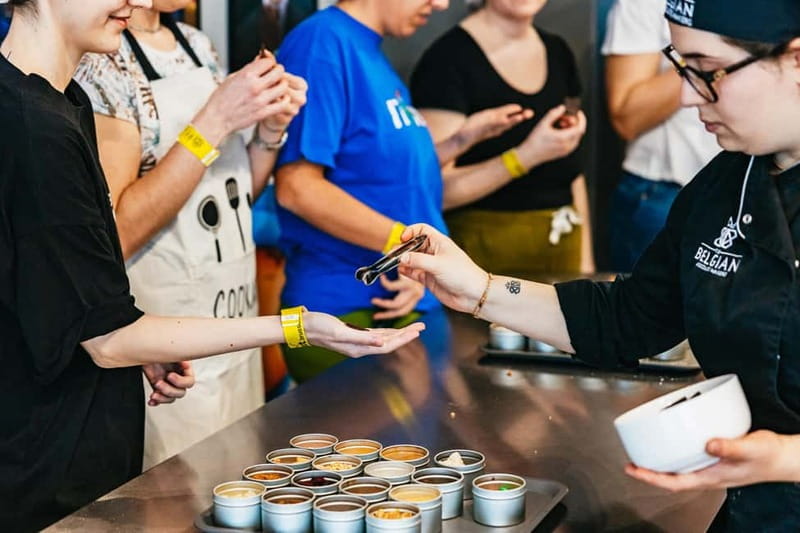
After the making and tasting, you get to visit the laboratory. It’s a shorter look, not a full factory tour, and access is limited to max 2 persons at the same time—so it stays orderly and allows staff to answer questions.
The point of the lab visit is to show you the necessary steps to produce their bean to bar chocolates. It gives you context for what you just did, and it helps you understand how “craft chocolate” gets from raw materials to finished bars and fillings.
Just don’t expect it to turn into a full production tutorial. The workshop clearly frames itself as a fun, educational experience that ends with you creating chocolates—laboratory access is for understanding, not for teaching you the full multi-day bean-to-bar process.
Champagne Mood, Aprons, Hairnets, and the Store Discount
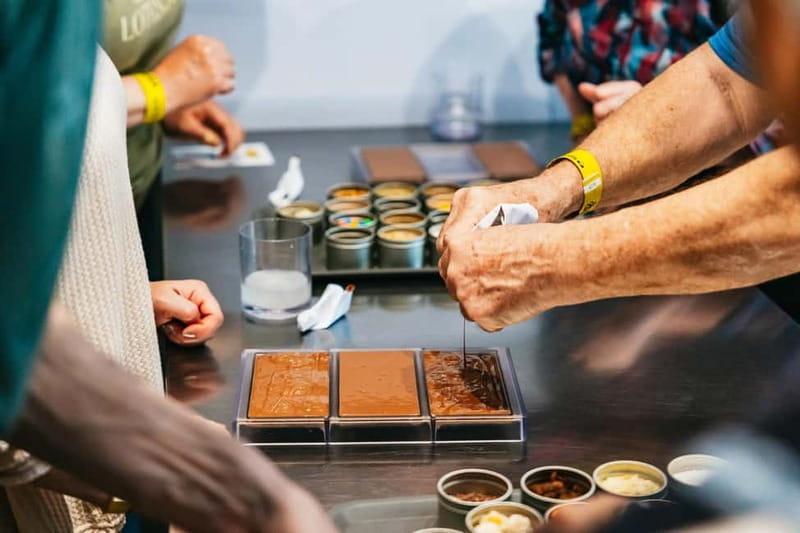
This workshop knows how to start with good vibes. Arrival includes Champagne, and the apron helps you feel like you’re part of something (not just a ticketed activity).
You’ll also wear a hairnet and deal with beard protection. That’s not just for show—it’s part of the lab/food-safety culture. Plan for it: tie back long hair ahead of time so you’re not scrambling when the hairnet moment arrives.
Then there’s the 20% discount. Once you finish, you can apply that discount in their stores. The workshop even gives you a quiz card and wristband system to make it automatic. If you love what you made (or you realize you want backups for gifts), this discount can stretch your money.
One caution from a note on the experience format: the published description can sometimes differ from what people expect for extra items. For example, one participant said the apron detail wasn’t exactly as expected. If you care about a specific item being included versus optional, it’s worth confirming at check-in.
Price and Value: Is $108 Worth It?
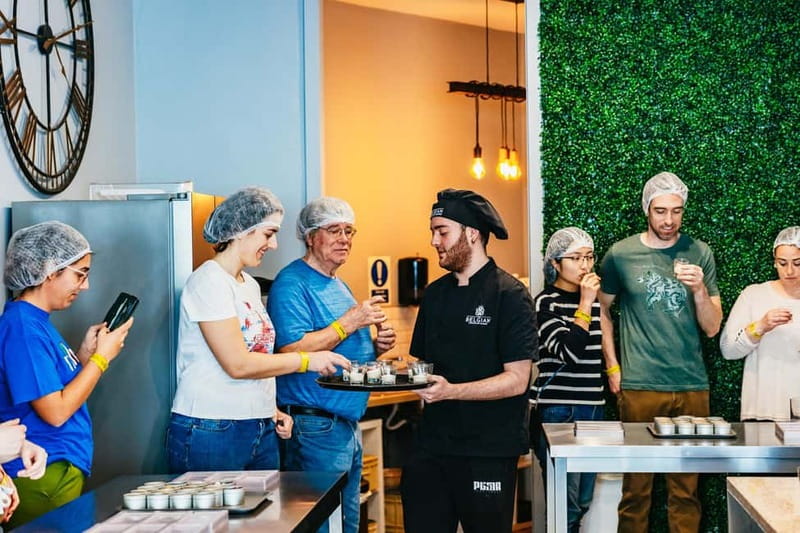
At $108 per person for about 1.5 hours, this isn’t a bargain workshop. You’re paying for three things:
- a dedicated chocolatier-led making session (not a generic tasting),
- guided tastings through cacao stages (beans, liqueur, mucilage granité),
- and the lab visit plus take-home packaging.
You also get drinks included (Champagne at arrival, then hot chocolate or lemonade depending on season). And you leave with actual chocolates you made, not just small tasting bites.
So the real value question is: do you want to create chocolates and taste them in a guided way? If yes, the price makes sense because you’re getting an experience with edible take-home results and a lesson component. If you only want to sample a lot of varieties without doing hands-on work, you might find cheaper tastings elsewhere—but you’d be giving up the making table portion that people really seem to enjoy.
Logistics Near Gare Centrale: Easy to Fit Into a Brussels Day
Meeting point is near Gare Centrale and Mont des Arts, in the Place de la Justice 5 area. That location is handy if you’re already planning time around central Brussels.
You should also know the workshop setup is time-sensitive. Once it starts, you won’t be accepted afterward. That’s a common rule in food-and-taste activities, and it’s especially true here because the process relies on you being in the right place at the right moment (and wearing the required head protection).
The activity ends back at the meeting point, which makes it easy to continue your day without a messy “drop-off somewhere random” situation.
Who This Workshop Fits Best (and Who Should Skip It)
This workshop works best for:
- Adults and kids old enough to handle the structure (it’s not suitable for children under 6)
- People who enjoy guided food experiences and want to make something tangible
- Chocolate lovers who care about cacao origin and want to taste the ingredient story
It’s not a fit for everyone. Important limits include:
- Not suitable for wheelchair users
- Not suitable for people with food allergies, gluten intolerance, lactose intolerance, or nut allergies
- Not suitable for unaccompanied minors
- Toppings contain nuts, and that’s a big deal here
- You can’t bring pets, and you also can’t bring food or drinks into the activity
If you’re vegan or lactose intolerant, you’ll only be able to work with dark chocolate. That’s practical to know in advance so expectations stay aligned.
Also note the workshop is described as respectful, good-vibes only. That matters because you’re working in a small, guided setting where staff need the focus to keep the process safe and smooth.
Tips to Get the Most Out of It
You’ll have a better time if you treat this like a craft class, not a casual stroll.
- Arrive ready for hairnet rules. If you have long hair, tie it back early.
- Come with curiosity. The most fun part is tasting cacao at multiple stages and learning how flavors change.
- If you’re shopping after, keep an eye on what you like. The built-in 20% discount is there for a reason.
And if you’re thinking of bringing someone who gets fidgety when schedules are strict—this workshop may be fine, but it rewards people who like being present and following instructions.
Should You Book This Brussels Chocolate Workshop?
Book it if you want a short, high-satisfaction chocolate experience where you make three treats, learn why Belgium is so serious about chocolate, and taste cacao at key stages (beans, liqueur, mucilage). The lab visit adds context without turning the day into a full factory marathon.
Skip it if you need a very relaxed, flexible activity, or if you have any allergy or dietary needs that don’t match the workshop’s options (nuts are involved; gluten and lactose issues can be a dealbreaker).
If your goal is to leave Brussels with edible gifts and a real story you can explain at dinner, this is a strong choice for your itinerary.
Hands-On Around Brussels



More Tour Reviews in Brussels





The Chocolate Side of Brussels
Hot Off the Press: New Brussels Reviews



Brussels Chocolate Tours & Workshops, compared.
 ★ 4.3Choco-Story Brussels: Chocolate Museum Entrance with TastingFrom $184,883 reviews
 ★ 5.0Hungry Mary’s Famous Beer and Chocolate Tour in BrusselsFrom $1192,258 reviews
 ★ 4.7Belgian Chocolate Making Workshop with TastingsFrom $821,629 reviews
 ★ 5.0Historical Walking Tour with Chocolate & Waffle TastingFrom $421,165 reviews
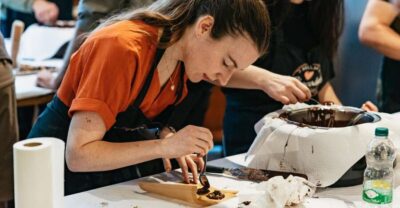 ★ 4.82.5-Hour Belgian Chocolate Making WorkshopFrom $69933 reviews
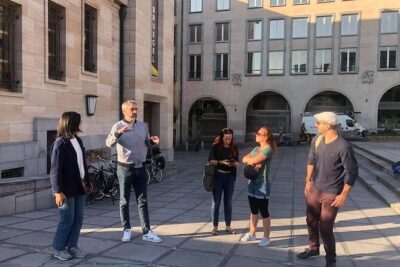 ★ 5.0Brussels Walking and Tasting Tour (Beers,Chocolates&Fries/Waffle)From $84929 reviews
 ★ 4.5Brussels Chocolate Walking Tour and WorkshopFrom $83885 reviews
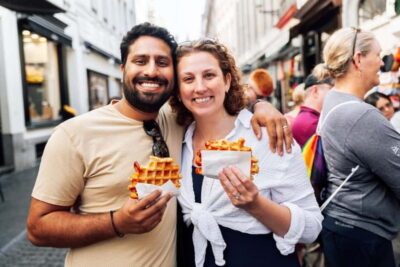 ★ 4.8Historical Tour with Chocolate & Waffle TastingFrom $40642 reviews
Browse the lists this tour appears in