
Reviewed · BRUSSELS HOP-ON HOP-OFF BUS TOURS
Brussels: Hop-On Hop-Off Bus Tour
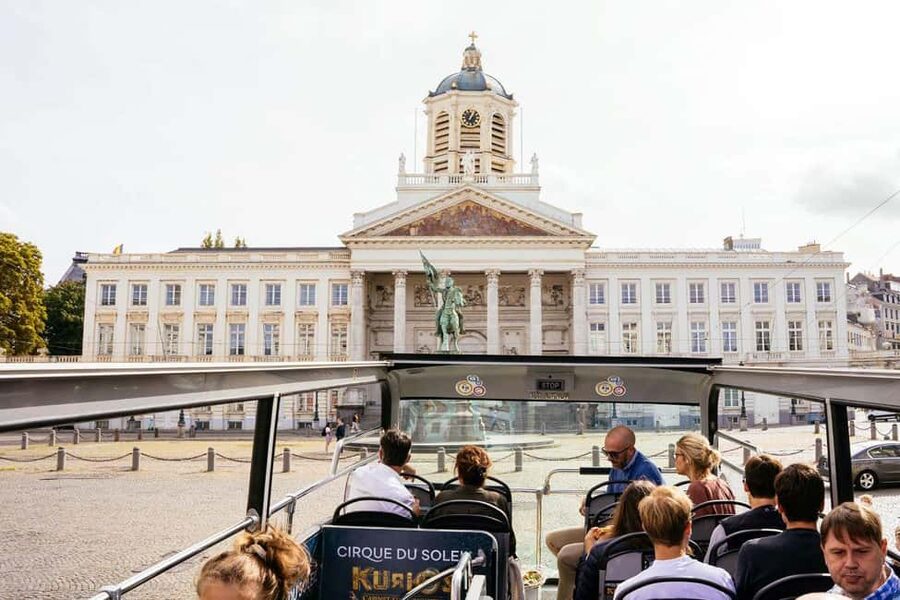
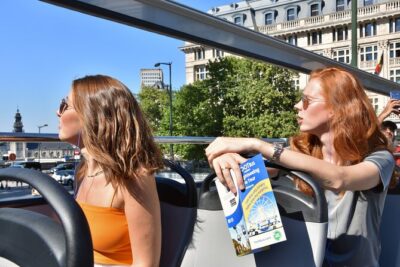
Brussels is easier from a bus. This hop-on hop-off ride gives you open-top views and the freedom to stop at big-name sights like the Grand Place and the Atomium, then get back on when you’re ready. My favorite part is the relaxed pacing: you can spend 20 minutes taking photos or stay longer when a street scene pulls you in—no schedule stress, just hop-on hop-off freedom.
Two things I like a lot: the clean-energy buses keep the ride smooth and modern, and the audio guide (with many language options) helps you connect what you see to what it means. One possible drawback: if you rely only on the commentary, you may miss context at a few stops, and it can help to use the app so you always know where you are and which stop is next.
In This Review
- Key highlights that make this bus tour worth it
- Why Brussels looks better from an open-top bus
- The red route stops: what to do when you get off
- Central Station
- Place Royale
- Luxembourg
- Cinquantenaire
- Flagey
- Poelaert / Louise / Courthouse
- Grand Place / Manneken-Pis
- Bourse
- Tour & Taxis / Maritime Station
- Atomium
- De Broukere / Monnaie
- Audio guide and app: how to use them without feeling lost
- How long should you ride: 1 day vs 2 days in Brussels
- If you only have 1 day
- If you have 2 days
- What makes the price feel fair (and what you should plan around)
- Where the tour fits your travel style
- Should you book this Brussels hop-on hop-off bus?
- FAQ
- How long is the ticket valid?
- What’s the price for the Brussels hop-on hop-off bus tour?
- How many stops are on the red route?
- What time does the red route run?
- How often do the buses run on the route?
- What languages are available for the audio guide?
- Is Wi-Fi included on the bus?
- Are food and drinks included?
Key highlights that make this bus tour worth it
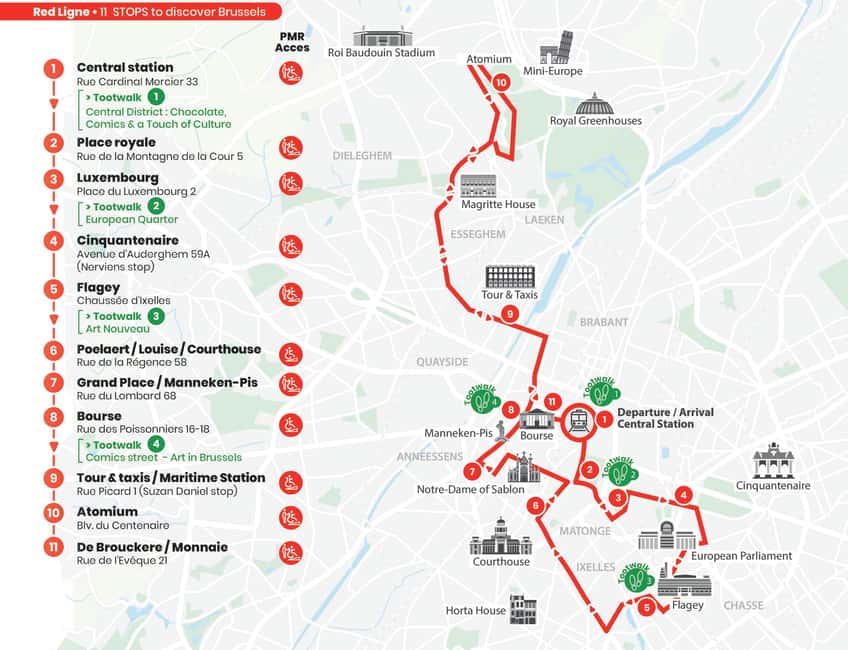
- Open-top photo moments at major landmarks, with plenty of chances to snap the city from above.
- 24 or 48-hour flexibility so you can spread the city out over one rainy day or two calmer ones.
- Audio guide in many languages plus a kids’ audio guide, with options through earphones or the app.
- App tools that matter: real-time bus tracking and audio you can follow without guessing.
- Included free walking tours and self-guided walking tours inside the app, great for turning a stop into real exploring.
- A single red route that links the key sights, from Central Station to the Atomium.
Why Brussels looks better from an open-top bus
Brussels is made for slow looking. From the open top deck, you get a clean line of sight across broad squares and changing neighborhoods, and that means better photos without constantly repositioning yourself. It also cuts down the mental load. Instead of stitching together multiple bus/tram transfers, you’re on a single line that keeps moving while you decide where to get off.
The ride itself uses clean-energy vehicles, which feels like a small upgrade but still part of the bigger experience: it’s a comfortable way to move around a city that can feel confusing at street level. Plus, you’re not just passing monuments—you’re passing the everyday Brussels around them: streets, façades, and the rhythms between attractions.
One more practical win: Wi‑Fi onboard and the included app make it easier to plan in real time. If the weather shifts or you change your mind mid-day, you’re not stuck. You can watch where the next bus is, queue up your next stop, and keep the day flowing.
Stay on the bus, more hop-on hop-off loops
- Brussels: Hop-On Hop-Off Bus Tour
★ 4.0 · 4,016 reviews - Brussels Highlights Walking and Bus Tour w/ Waffle
★ 3.5 · 430 reviews - Brussels Highlights: Walking & Bus Tour with Waffle Tasting
★ 4.2 · 233 reviews
The red route stops: what to do when you get off
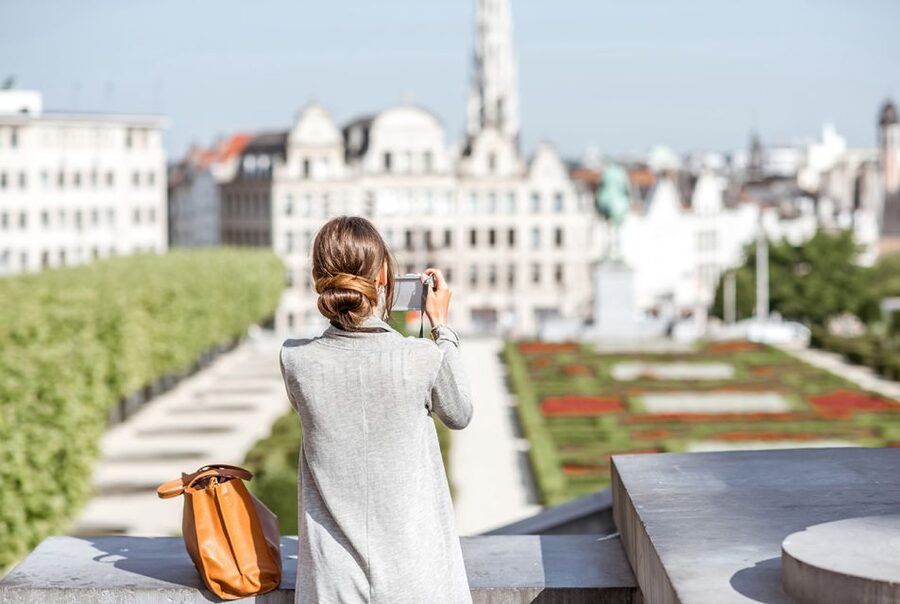
This tour runs the red route with 11 stops, and you can start at any of them. The smartest way to use it is simple: ride until a stop looks interesting, hop off for a targeted visit, then return when you want to move on.
Here’s how I’d think about each stop and what it’s best for:
Central Station
Starting at Central Station works because it’s a major transit hub with lots around it, so you can pivot easily. If you’re arriving from elsewhere in Belgium, you’ll often find it’s the easiest place to begin your day without extra navigation.
Place Royale
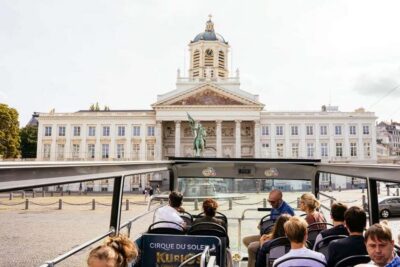
Place Royale is a great get-off point when you want those wide, viewpoint-style moments. It’s also a useful base for lingering in a more composed, formal part of the center before you swing toward busier landmark zones. If you like taking a bit longer for photos, this stop rewards that habit.



Luxembourg
This is a strong choice for connecting to Brussels’s more official areas. The route description highlights the European quarter, and this stop is one of the most logical ways to reach that part of town without navigating street-by-street.
Cinquantenaire
Cinquantenaire is a stop you’ll appreciate if you want a break between central squares and the farther reaches of the route. It’s also a convenient anchor for museums in the broader area—even if you don’t go inside, the architecture and surroundings give you that Brussels contrast of grand structures mixed with city life.
Flagey
Flagey is handy when you want a less purely monumental experience. Use it as a “walk around” stop: grab a snack if you need one, stretch your legs, and get a feel for what Brussels looks like away from the biggest photo crowds.
Poelaert / Louise / Courthouse
This stop name is a cue that you’re in an area tied to major civic buildings. It’s also a good place to step out if the audio guide is steering you toward a building you can’t really appreciate from the seat.
Grand Place / Manneken-Pis
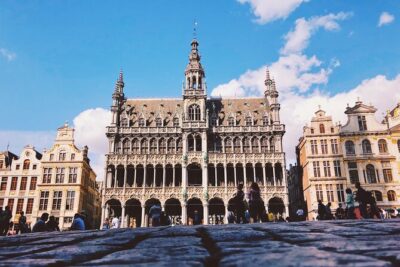
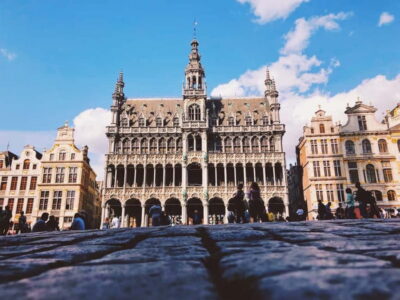
This is the obvious classic stop, and it earns it. The Grand Place gives you the postcard view you came for, and Manneken‑Pis is the quick, quirky side trip that balances the grandeur. If you only have limited time, plan your longest on-foot moment here.
Also keep in mind: this is where you’ll likely want to slow down and actually look up and around. The buildings reward time, even if you keep the visit short.
Bourse
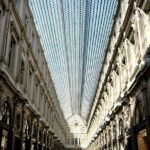
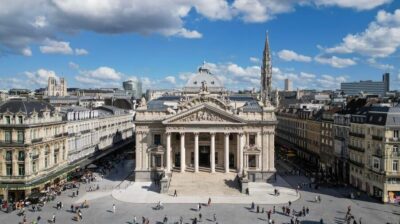
The Bourse stop is where you’ll feel the center’s energy shifting toward commerce and elegant streets. If you’re the type who enjoys architecture details, this is a good “pause and wander” choice between major attractions.
Tour & Taxis / Maritime Station
This stop is ideal when you want Brussels that feels more modern and industrial. It’s also a practical one if you’re mapping a route that includes museums. You can get a meal or a coffee vibe here, then head back on the bus for the next sight.
Atomium
The Atomium stop is why some people buy a tour pass even when they’re short on time. It’s far enough from the core that hopping there efficiently matters, and the route is built for exactly that. That said, be honest with your day planning: you’ll spend more transit time getting there and back than you will at central stops.
If you have a full day, that trade feels fair. If you only have a few hours, consider whether you want the Atomium as a must-do photo moment or as a longer visit.
De Broukere / Monnaie
This is a good final swing stop because it sits in an area that supports easy strolling and return to transit. Use it if you want to keep exploring after your landmark circuit, or if you’re trying to line up a dinner plan without restarting your whole trip.
Audio guide and app: how to use them without feeling lost
The audio guide is built into the experience: you’ll have adult audio plus a kids’ audio guide, and it’s offered in multiple languages. You can listen through earphones provided on board (or you can bring your own) and also via the app.
I love using this setup in a very specific way: I treat the audio like a running caption, not like the only source of truth. You’ll get the key facts, but the real value is that it points your attention to what to look for—so you spend your time seeing, not just reading.
Two practical tips that make a difference:
- Watch the stop names and map in the app. Some people struggle with figuring out which stop number they’re at, so don’t rely on memory.
- Switch language if something feels off. The tour includes a lot of language options, and if you find one narration style doesn’t match how you like history explained, switching can fix that fast.
The app also includes real-time bus tracking and additional content like self-guided walking tours. If the weather turns or traffic slows things down, tracking helps you make decisions without waiting in uncertainty.
How long should you ride: 1 day vs 2 days in Brussels
The ticket is valid for either 24 or 48 hours, and that choice changes how relaxed the whole trip feels. For a first visit, I think 2 days is where this tour starts to feel like more than transport—it becomes a day-planning tool.
If you only have 1 day
Pick fewer stops, but choose them well. Start with the central cluster (Grand Place / Manneken‑Pis area and nearby stops), then decide whether you want to make time for the Atomium. If you do Atomium, commit to it as a highlight with a real on-foot window, not a rushed photo-only stop.
A useful mindset: use the bus for repositioning and use your feet where the city rewards walking—especially around major squares.
If you have 2 days
Day one can be all about orientation: ride the loop, hop off where something grabs you, and let the audio guide set the story. Day two is for repetition with purpose. You’ll already know which streets you want to return to, and which museums or neighborhoods you’d rather do in a deeper way.
This is also the best time to use the walking tours included with the experience. Even if you do only part of them, they help turn the bus route into a more human city experience.
One traffic tip that’s worth keeping in your pocket: a Sunday morning start often feels easier because roads can be calmer. If you can schedule it, that’s a smart time to ride.
What makes the price feel fair (and what you should plan around)
The price is listed at $29 per person, and the value depends on how you’d otherwise get around.
Here’s why it often pays off:
- You get a full 24 or 48 hours of access, which matters in a city where distances can surprise you.
- You’re not just riding—you have audio commentary, an app with live tracking, onboard Wi‑Fi, and free walking tours included.
- The route links key sights across the city, including a farther reach like the Atomium, where taxis would add up quickly.
What’s not included is food and drinks. That means you’ll want a simple plan: when you hop off at a stop, treat it like a window to eat or to browse a nearby café. If you’re hungry, staying on the bus too long can make the day drag.
Also check the rules before you go: oversize luggage isn’t allowed, and alcohol and drugs aren’t allowed. It’s a normal set of restrictions, but it can save you stress at boarding if you’re traveling with more than a small bag.
Where the tour fits your travel style
This is a great fit if you:
- want a low-effort way to see major sights in a short time,
- prefer choosing your own pace instead of joining a tight guided group,
- want a single tool for transport plus story-building through audio,
- value views and photos and like to stop on demand.
It may not be ideal if you only want one or two attractions and hate transit time. The Atomium portion can feel like a long stretch if you’re comparing it to the dense central sights where a few minutes of walking can feel like a lot.
In other words, treat this as a ride-first city sampler. If you accept that trade, it works beautifully.
Should you book this Brussels hop-on hop-off bus?
Yes, I’d book it if you’re doing Brussels for the first time and you want an efficient, flexible way to connect landmarks. The combination of open-top views, 24/48-hour freedom, and audio in many languages makes it a strong base plan—especially when weather or limited time makes you rethink how you’ll move around.
I’d hold off only if you already have a tight plan that stays mostly in the city center and you hate any time spent on the bus. In that case, a more focused walking route or a single transit day might fit better.
If you do book, my advice is simple: use the app to track stops, listen for the photo-callouts, and don’t try to see everything. Pick your must-dos (Grand Place/Manneken‑Pis and one other anchor like the Atomium), then let the rest of the day breathe.
FAQ
How long is the ticket valid?
The hop-on hop-off ticket is valid for either 24 or 48 hours.
What’s the price for the Brussels hop-on hop-off bus tour?
The listed price is $29 per person.
How many stops are on the red route?
The red route has 11 stops, and you can start at any stop on that route.
What time does the red route run?
The red route first departure is 10:00 AM and the last departure is 5:00 PM.
How often do the buses run on the route?
Buses run every 30 minutes on the route.
What languages are available for the audio guide?
The audio guide is available in Dutch, English, French, German, Spanish, Italian, Chinese, Japanese, Arabic, Portuguese, and Russian.
Is Wi-Fi included on the bus?
Yes, onboard Wi-Fi is included.
Are food and drinks included?
No, food and drinks are not included.
More Brussels Outings






More Tour Reviews in Brussels



Brussels From the Top Deck



Hot Off the Press: New Brussels Reviews




Brussels Hop-On Hop-Off Bus Tours, compared.
 ★ 3.5Brussels Highlights Walking and Bus Tour w/ WaffleFrom $45430 reviews
 ★ 3.0Brussels Tootbus Discovery Hop On Hop Off Bus and walking tours336 reviews
 ★ 4.2Brussels Highlights: Walking & Bus Tour with Waffle TastingFrom $43233 reviews
 ★ 3.7City Card with Hop-On Hop-Off BusFrom $7579 reviews
 ★ 3.8Sightseeing Sunset Bus TourFrom $3470 reviews
 ★ 4.5Bruges bus tour from BrusselsFrom $4928 reviews
 ★ 4.2Hop-On Hop-Off Bus Tour& Belgian Beer World MuseumFrom $5324 reviews
Browse the lists this tour appears in