
Reviewed · BRUSSELS CHOCOLATE TOURS & WORKSHOPS
Choco-Story: The Chocolate Museum in Brussels
Chocolate, made visible in Brussels.
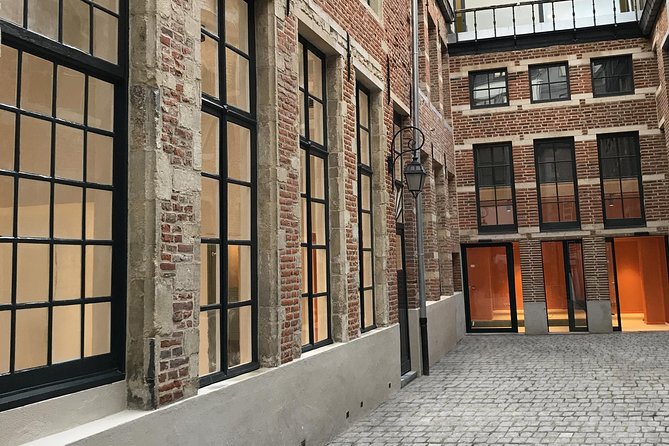
Choco-Story Brussels turns a sweet obsession into a real museum visit, with a live chocolatier demo and audio-guided rooms that walk you from cocoa origins to Belgian chocolate craft. Even if you’re not a candy scientist, it’s one of those places where you can smell the chocolate while learning how it’s actually made.
I especially like two parts: the self-paced exhibition rooms, so you can go at your own speed, and the praline-and-tasting experience, which gives you more than just photos and trivia.
One thing to consider: some rooms can feel a bit tight when it’s busy, and the audio/electronic elements aren’t always perfect. If you’re sensitive to crowds, go earlier in the day.
In This Review
- Key things to know before you go
- Choco-Story Brussels: what you’re actually paying for
- How the visit flows (and why that matters in a city)
- The praline-making demo: the highlight that turns learning into action
- Audio guide rooms: history of cocoa, Belgian chocolate, and what you’ll notice
- Chocolate tasting: what to expect from the samples
- Interactive exhibits and games: fun when they work, annoying when they don’t
- Shop time: good for gifts, dangerous for self-control
- Families and chocolate lovers: who this fits best
- Crowds and comfort: the cramped reality of small rooms
- Optional VR cocoa experience: worth it if you like tech
- Should you book Choco-Story Brussels?
- FAQ
- How long does Choco-Story Brussels take?
- What is the price per person?
- Is the experience offered in English?
- What’s included with the ticket?
- What’s not included?
- Will I see a live chocolate demonstration?
- What time should I arrive?
- How big are the groups?
- Is it easy to reach using public transportation?
- Is free cancellation available?
Key things to know before you go
- Guaranteed entry with an admission ticket, and the visit runs about 90 minutes.
- Live praline preparation happens right in the museum, then you taste what’s being made.
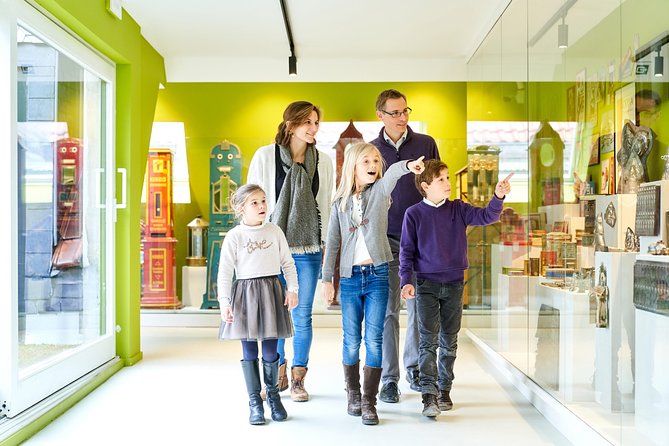
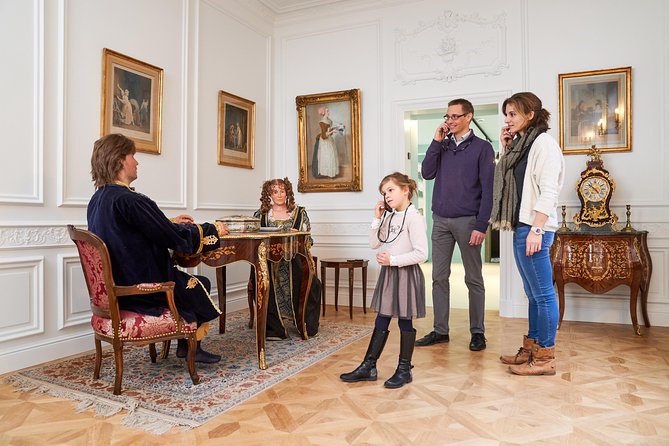
- Audio guidance helps you understand the history and the objects in the exhibits while you wander.
- Chocolate tasting is built in (with multiple sample options, and sometimes an extra tasting if you catch the demo).
- Small groups (maximum 15) keep it manageable, though rooms can still get cramped.
- Optional extras exist, like a virtual reality cocoa experience for an additional fee.
Choco-Story Brussels: what you’re actually paying for
At $19.17 per person for around 1 hour 30 minutes, Choco-Story Brussels isn’t trying to be a “wow” theme park. It’s more like a hands-on chocolate classroom with a museum wrapper.
You’re paying for three practical things. First, structure: you don’t have to guess what to do or how long to spend. Second, taste: the visit includes chocolate sampling, not just looking at it. Third, process: you’ll watch a master chocolatier prepare pralines, which is the closest thing you’ll get to chocolate-making theatre in a one-stop visit.
For value, the best comparison is your time. Brussels has plenty of free sights, but this is a paid experience that keeps you engaged without requiring a separate tour guide. If you enjoy tasting and learning at the same time, the price starts to make a lot more sense.
Room for more praline? Other chocolate sessions
- Choco-Story Brussels: Chocolate Museum Entrance with Tasting
★ 4.3 · 4,883 reviews - Hungry Mary’s Famous Beer and Chocolate Tour in Brussels
★ 5.0 · 2,258 reviews - Brussels: Belgian Chocolate Making Workshop with Tastings
★ 4.7 · 1,629 reviews
How the visit flows (and why that matters in a city)
Choco-Story is designed for wandering. You start inside, then you move room to room at your own pace while the museum story unfolds through exhibits and audio. That matters because you’re in Brussels, and plans shift fast—one day you might want museums, the next day you might want just a smart, contained activity.
Most people can finish in about 45 to 90 minutes, depending on how slowly you read, how often you try interactive displays, and whether you stick around for the chocolate-making moment. If you’re the type who stops to watch demos, linger over facts, and compare samples, pencil in closer to the full 1.5 hours.
Also pay attention to the last entrance at 5:00pm. If you come later, you can end up rushed or miss timed parts.
The praline-making demo: the highlight that turns learning into action
The live demonstration is the heart of the experience. A master chocolate-maker prepares pralines right in front of you, and the experience is structured so you can see the process and then taste what comes out of it.
This is why the museum works better than a typical chocolate display. Chocolate history is interesting, but watching someone actually handle the ingredients and build pralines makes the learning stick. It also gives you a natural moment to slow down and focus, even if the rest of the museum is at your own pace.
One timing note: the praline demo runs on a schedule, and if you arrive just after it starts, you may only catch the last few minutes. My practical advice is simple: when you enter, look for the posted demo times and plan your route so you’re not waiting in the wrong spot.
Audio guide rooms: history of cocoa, Belgian chocolate, and what you’ll notice
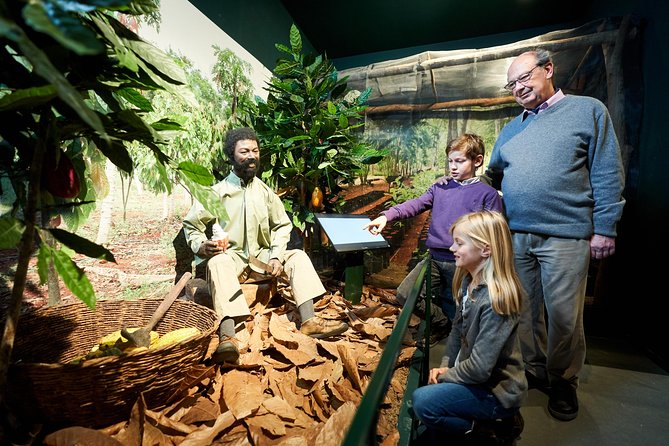
The museum rooms are built around chocolate’s journey—where cocoa comes from, how it becomes chocolate, and how Belgian chocolate became a big deal. You’ll walk past artifacts and explanatory displays while the audio guide helps you connect the dots.
A big strength here is that you’re not forced into a single scripted pace. If you want to skim and get to the tasting, you can. If you want the deeper “why this matters” story, the audio narration supports that style too.
Still, the audio experience isn’t always identical for everyone. Some people found certain parts of the audio system didn’t work as expected, and others felt the narration was longer than they wanted. So if you’re the kind of visitor who prefers short labels and minimal listening, be ready to treat the audio as helpful—not mandatory.
More Brussels halls and galleries to duck into

Chocolate tasting: what to expect from the samples
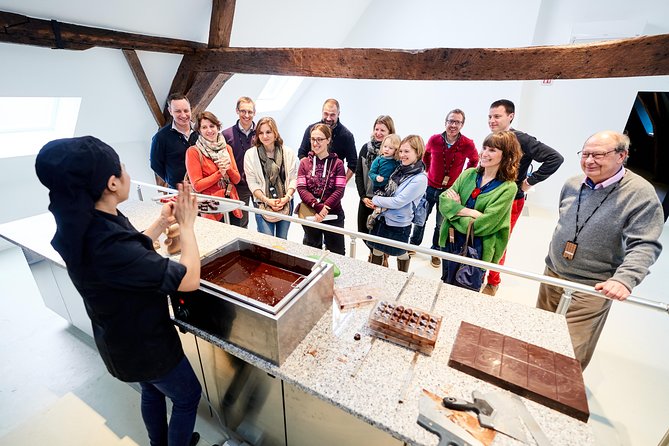
Choco-Story includes chocolate tasting, and that’s the part that most people remember after they’ve left the museum. You should plan on getting at least a couple of sample options.
From the experience details and visitor notes, you may get tastings like dark or milk chocolate barrels. In some cases, if you attend the chocolate demonstration, you’ll receive an additional tasting. Another visitor described the tasting room as offering multiple types to compare, but the key point for planning is: tasting is not an afterthought here.
What I like about this setup is that it’s not just “try one piece.” It pushes you toward noticing differences—texture, sweetness level, and the way cocoa flavor changes across styles.
Interactive exhibits and games: fun when they work, annoying when they don’t
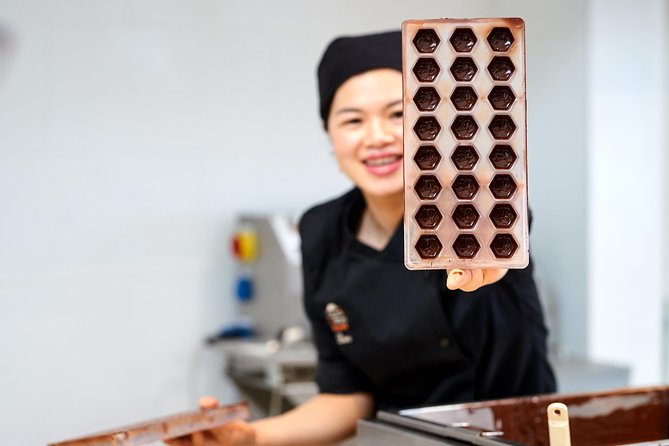
Choco-Story includes interactive elements and activity centers. When they’re functioning, they add a playful layer to all that cocoa-and-history content.
But there’s a clear pattern in the feedback: some interactive stations can be temperamental, including game-style features and scanning readers that may not respond. That doesn’t ruin the visit, because the core experience is still the exhibits plus audio plus tasting, but it can be a letdown if you expected everything to be fully operational.
My advice: treat interactive parts like bonus entertainment. Don’t structure your entire visit around them.
Shop time: good for gifts, dangerous for self-control
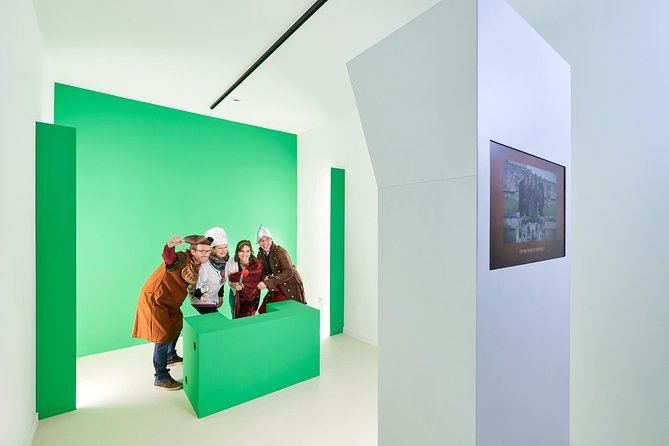
You’ll have a shop available during/after your museum time. If you’re the kind of traveler who likes edible souvenirs, this is one of the better places in Brussels to buy them—because you’ll already have tasted what they’re selling.
Also, the shop is where the museum’s main idea comes full circle: you go in to learn, then you leave with something you can actually bring home and compare later.
Families and chocolate lovers: who this fits best
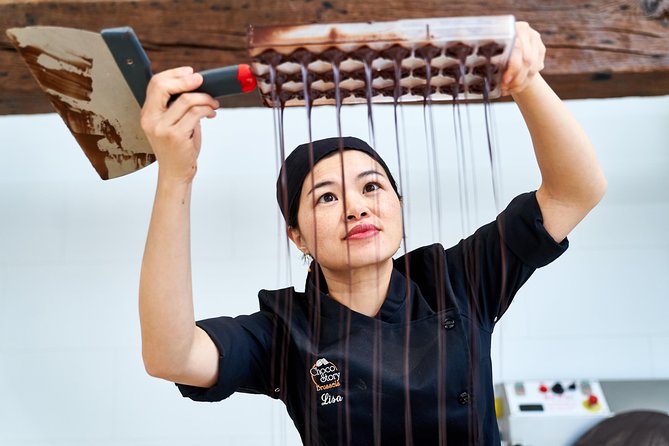
Choco-Story works for a wide range of people because it doesn’t require advanced knowledge. You can be a casual chocolate fan or a full-on cocoa nerd, and the visit still makes sense.
It’s also described as child-friendly, with staff who make it workable for families. Children must be accompanied by an adult, which is standard for a museum experience built around food and demonstrations.
If you’re traveling with teens, this can beat a purely reading-based museum. It includes audio, tasting, and a live demo—so there are multiple ways to hold attention.
If you’re a couple, it’s a fun “small commitment” date. You get shared learning, shared tastes, and a natural end point that won’t swallow your whole afternoon.
If you’re on the go and want only the highest-impact stops, it can feel short. Some visitors describe it as “fine if you have spare time,” which I translate to: don’t build your day around it unless you genuinely want chocolate history and tastings.
Crowds and comfort: the cramped reality of small rooms
This museum has small rooms for exhibits and activities, and that becomes noticeable when the place is busy. Some people found it difficult to access interactive readers because the space felt packed.
The fix is simple: go earlier, or go when you can avoid peak demo crowds. Also, if you’re visiting with strollers or you’re sensitive to tight walkways, plan extra time and keep your route flexible.
The silver lining is that the group size cap is 15 travelers, so it’s not a giant cattle line. Still, small groups can be packed into small rooms, so comfort depends on timing.
Optional VR cocoa experience: worth it if you like tech
One visitor mentioned a virtual reality cocoa exhibit that costs an extra €5. That’s not included in the standard ticket price, so only add it if you’re specifically interested in story-based visuals or you know you’ll use it.
In a day already packed with walking, this is the kind of add-on you can skip without losing the main value of the museum—tasting and the praline demo carry the experience.
Should you book Choco-Story Brussels?
Book it if you want a contained, flavorful activity that mixes history, a live praline demo, and included tastings. It’s especially good if chocolate is your theme for the day, you’re traveling with kids, or you like learning while eating something good.
Skip it (or pair it differently) if you’re expecting a long, in-depth hands-on chocolate workshop where you make chocolate yourself. This is more about watching, tasting, and understanding how it all comes together. Some people felt the tasting/demonstration felt short or that the exhibit felt a bit outdated in parts.
My call: if you can spare a little time and you’re even slightly curious about how cocoa turns into Belgian chocolate, Choco-Story is worth placing on your Brussels list—just pay attention to demo times and don’t aim for the last minute.
FAQ
How long does Choco-Story Brussels take?
Plan for about 1 hour 30 minutes (approx.), though some visitors finish closer to 45 minutes depending on how they move through the rooms.
What is the price per person?
The admission ticket price listed is $19.17 per person.
Is the experience offered in English?
Yes, it’s offered in English.
What’s included with the ticket?
The ticket includes chocolate tasting.
What’s not included?
Food and drinks aren’t included, and a guide isn’t included.
Will I see a live chocolate demonstration?
Yes. A master chocolate-maker prepares pralines in front of you during the visit.
What time should I arrive?
There is a last entrance at 5:00pm, so you’ll want to plan your arrival earlier than that.
How big are the groups?
This activity has a maximum of 15 travelers.
Is it easy to reach using public transportation?
It’s near public transportation.
Is free cancellation available?
Yes, free cancellation is available up to 24 hours in advance for a full refund.
More Tour Reviews in Brussels






Brussels Indoors: Museums and Tickets


The Chocolate Side of Brussels




Hot Off the Press: New Brussels Reviews





Brussels Chocolate Tours & Workshops, compared.
 ★ 4.3Choco-Story Brussels: Chocolate Museum Entrance with TastingFrom $184,883 reviews
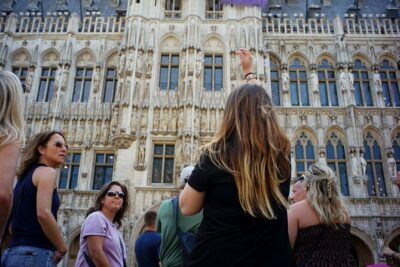 ★ 5.0Hungry Mary’s Famous Beer and Chocolate Tour in BrusselsFrom $1192,258 reviews
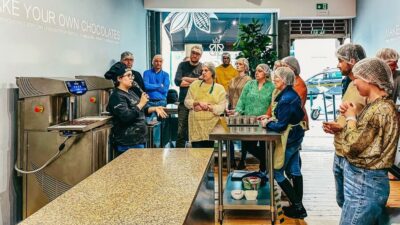 ★ 4.7Belgian Chocolate Making Workshop with TastingsFrom $821,629 reviews
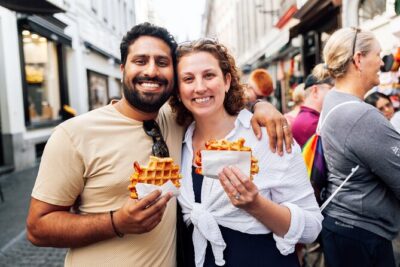 ★ 5.0Historical Walking Tour with Chocolate & Waffle TastingFrom $421,165 reviews
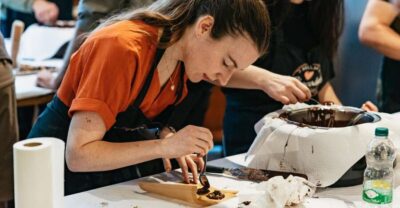 ★ 4.82.5-Hour Belgian Chocolate Making WorkshopFrom $69933 reviews
 ★ 5.0Brussels Walking and Tasting Tour (Beers,Chocolates&Fries/Waffle)From $84929 reviews
 ★ 4.5Brussels Chocolate Walking Tour and WorkshopFrom $83885 reviews
 ★ 4.8Historical Tour with Chocolate & Waffle TastingFrom $40642 reviews
Browse the lists this tour appears in