
Reviewed · WATERLOO & BATTLEFIELD DAY TRIPS FROM BRUSSELS
From Brussels : Napoleon’s Last Campaign in Belgium Tour
Six hours across Napoleon’s last Belgian fight. You’ll get a private guide and a tight route through the battle sites that shaped the final campaign.
I especially like two things. First, the tour uses on-the-ground stops at Ligny, Quatre-Bras, and Waterloo to connect the timing of decisions to what you’re actually standing on. Second, drinks and a souvenir are included, so you’re not constantly adding costs mid-day.
The main drawback to consider is price. At $764 per person, you’re paying for your guide’s ability to explain what you’re seeing. Also, the lunch stop depends on what’s available that day, and a full restaurant can change the plan a bit.
In This Review
- Key tour takeaways before you go
- A 6-hour private campaign from Brussels to Wallonia
- Ligny: Napoleon’s last Belgian victory, explained where it happened
- Quatre-Bras: the French–British clash you’ll feel in the geography
- Waterloo: Lion’s Hill and the Waterloo Memorial finale
- Hougemont (Hougemont) and the weather lesson that makes 1815 click
- Timing, comfort, and how to make the 6-hour schedule work
- Price and value: is $764 per person really fair?
- Who this tour suits best (and who might want a different style)
- Should you book? My take on the decision
- FAQ
- How long is the tour from Brussels?
- What battle sites are included?
- How long is the guided time at each stop?
- Is lunch included?
- Does the tour include pickup from my hotel in Brussels?
- Is this a private group tour?
- What languages are the guides?
- What’s included in the cost besides the guide?
- What’s the cancellation policy?
Key tour takeaways before you go
- Ligny–Quatre-Bras–Waterloo in one day, in the right order to make the campaign click
- Private pickup from Brussels with a dedicated driver, so you’re not wrestling transit
- Lion’s Hill and the Waterloo Memorial as the payoff, tied to the Dutch-built commemoration
- Guided battlefield context focused on geography, chronology, and participants
- Hougemont orientation moment (including a free video stop) that helps you picture the fighting
A 6-hour private campaign from Brussels to Wallonia
This is the kind of tour that only works because it’s private. You leave Brussels with a driver and guide handling the time-consuming parts, then you spend your energy where it matters: the ground where the 1815 campaign unfolded.
At 6 hours, the day is paced for people who want more than a quick glance. You’ll visit Ligny, then Quatre-Bras, then Waterloo, with guided time built into each stop. And because it’s a private group, you can ask questions without feeling like you’re interrupting a schedule packed with strangers.
You should also know the tour is designed around a mix of storytelling and walking/looking. Bring comfortable shoes and dress for weather. Battlefield days are usually more about standing and interpreting than trudging through rough trails, but you’ll still want footwear that can handle cobblestones and uneven ground.
Onto the battlefields, more history days out
- From Brussels : Napoleon’s Last Battle of Waterloo Tour
★ 3.7 · 5 reviews
Ligny: Napoleon’s last Belgian victory, explained where it happened
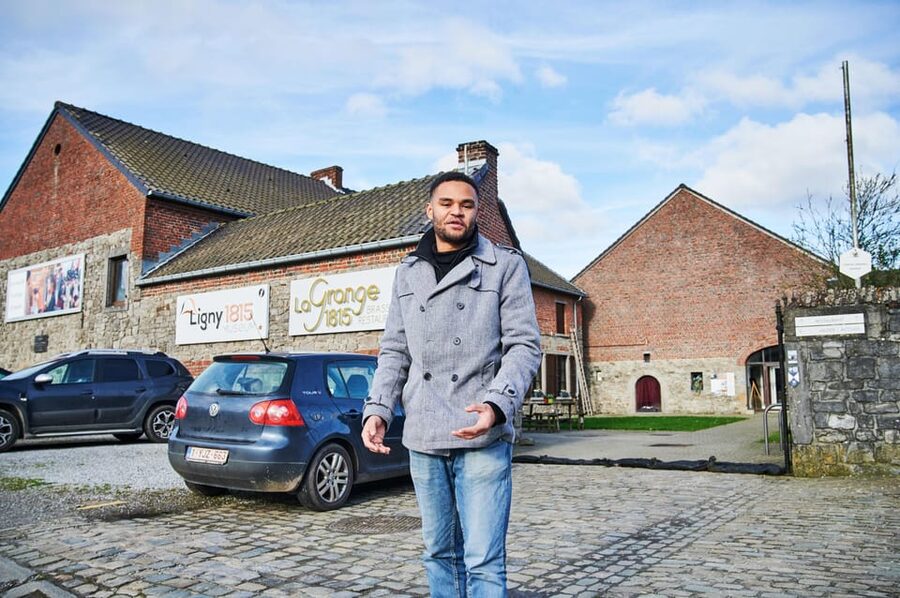
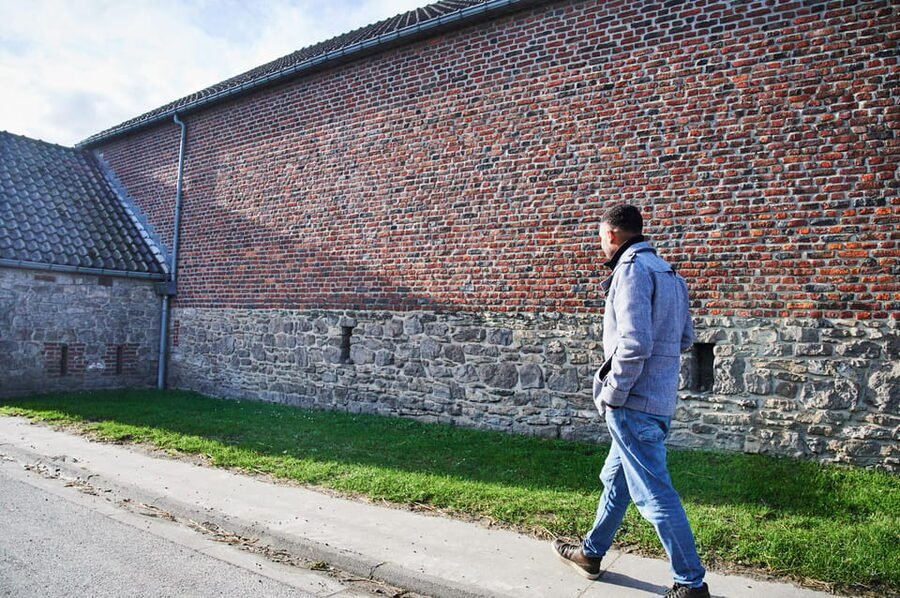
Your day starts at Ligny, where Napoleon won his last victory against the Prussians. The key here is that the stop isn’t just a name on a map. The guided time is 45 minutes, and that’s long enough for a good guide to connect the action to the terrain and the sequencing of orders.
One reason Ligny feels special is that it can be easy to underestimate how small it is compared to Waterloo’s famous center. If you’re the sort of person who thinks in timelines, this stop gives you a crucial piece: you’re seeing the moment when Napoleon’s plan briefly worked—yet it was not the end of the story.
A guide point that really helps at Ligny is the human cost and stakes. On this campaign day, it’s not just abstract strategy. One of the strongest lessons tied to Ligny is how the fighting there cost enormous numbers of troops; you’ll often hear figures like 20,000 Prussians lost at Ligny alone. Whether you remember the exact number or not, the takeaway is clear: decisions made here set up what happens next at Quatre-Bras and, ultimately, Waterloo.
A practical note: since Ligny is less famous than Waterloo, you’ll get more value if you show up ready to ask questions. Expect your guide to point out how the geography influenced movement and timing. If your guide is more comfortable answering your questions than performing a monologue, this is exactly the kind of stop that will reward you.
Quatre-Bras: the French–British clash you’ll feel in the geography
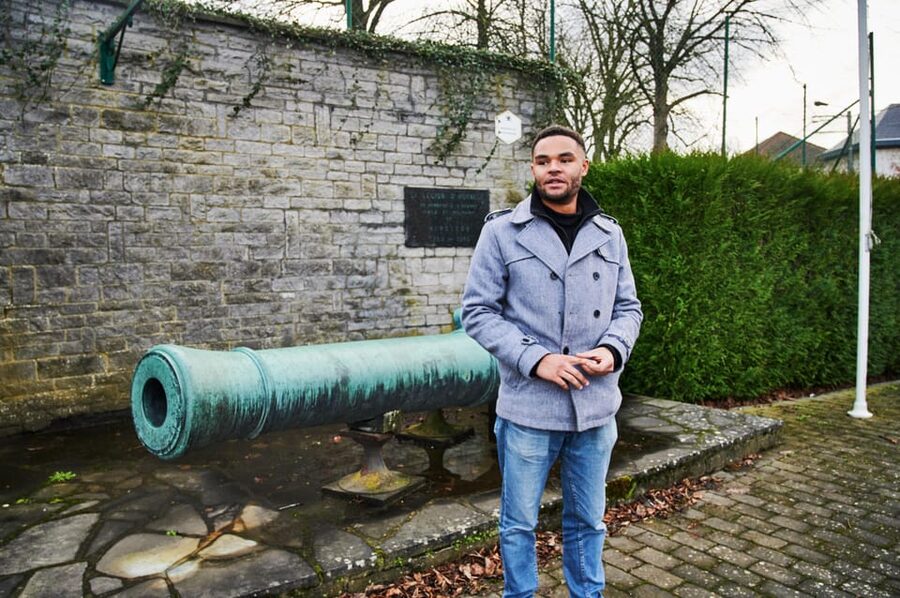
Next comes Quatre-Bras, with a guided visit of 30 minutes. Compared to Ligny and Waterloo, it’s a shorter stop, so the biggest win is focus: you’re meant to understand the role this area played in the wider campaign rather than “do everything.”
Quatre-Bras matters because it was where French and British armies clashed. Even if you already know the broad outcome of 1815, the power of this stop is seeing how quickly armies can run into each other when lines are misaligned or delays happen. In plain terms: Quatre-Bras is the point where plans start to fray.
Because the time is limited, you’ll want your guide to keep it tight: what forces were where, what each side needed, and why this friction mattered for Waterloo later. When the guide nails that connection, the stop becomes more than a historical waypoint. It becomes a turning hinge in your understanding of the entire day.
If you’re more of a slow traveler who likes long pauses for photos and reading, you might feel the 30 minutes as a quick hit. The flip side is that shorter stops keep your day moving so you’re not burning your energy on logistics between battlefields.
Waterloo: Lion’s Hill and the Waterloo Memorial finale
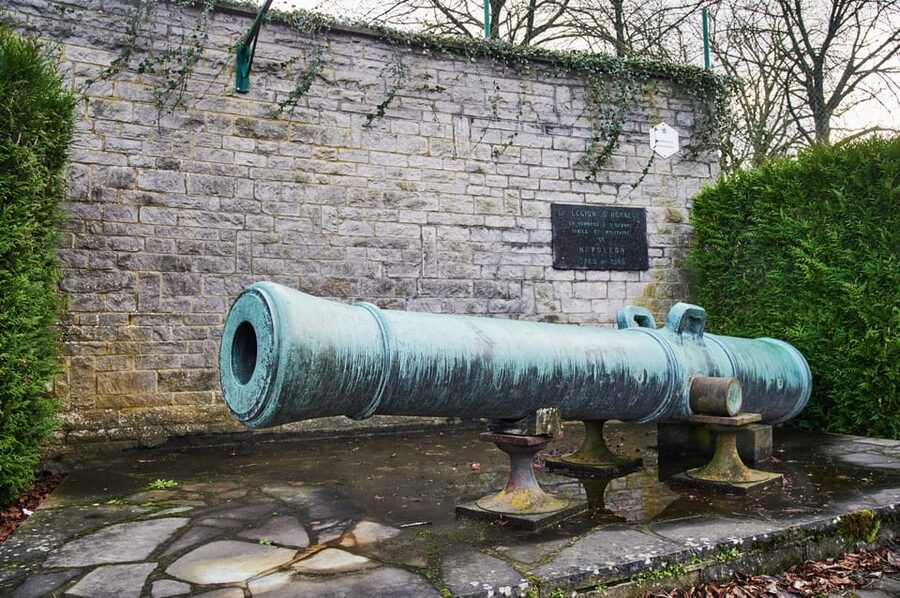
Then you reach Waterloo, and the tour gives this stop 2.08 hours of guided time. That’s your biggest window for understanding the battle, the participants, and why the ground itself matters so much.
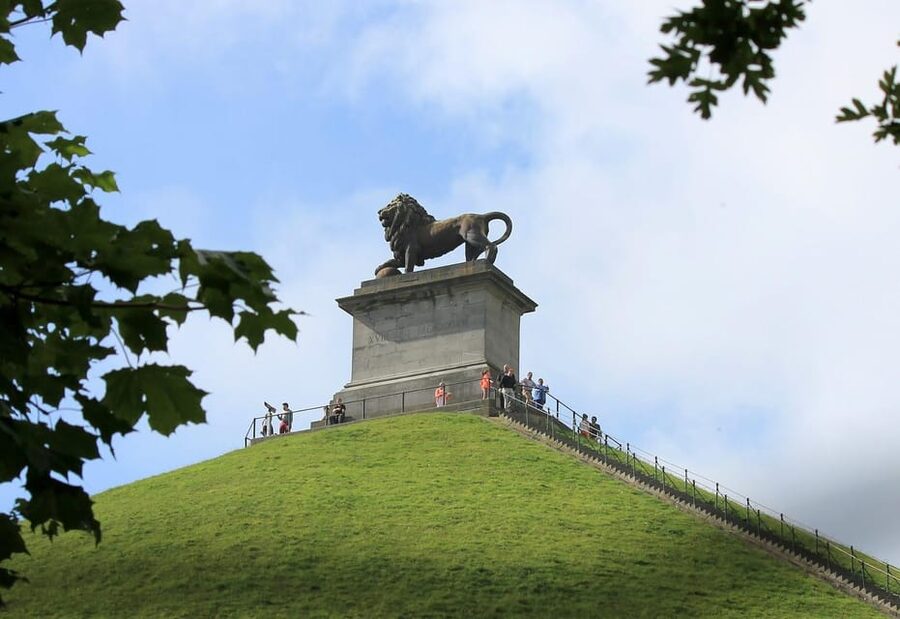
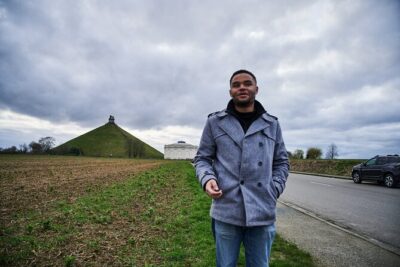
You’ll also end at Lion’s Hill, including time around the Waterloo Memorial. The memorial was built by the Dutch to celebrate their victory, and it’s tied to the story of a Dutch prince who was wounded there. That detail matters because Waterloo isn’t just about Napoleon’s defeat; it’s also about how different sides remembered and framed what happened.
This is the part of the tour that can feel emotional, even if you’re not a reenactment-history person. The terrain cues your brain to understand movement and positioning. And when your guide uses geography to explain chronology, you start to see the battle not as one big clash, but as a sequence of moments.
One thing that came through strongly in guide-style differences is how they treat topography and timing. A guide can either give you a list of events or help you place events in the actual physical problem both armies faced. When it’s done well, you leave Waterloo thinking in cause-and-effect rather than names and dates.
And yes, the name Waterloo can make you think you’ll be done after the main site. But Lion’s Hill and the surrounding context change the way you interpret the day’s outcome. The memorial framing makes it easier to understand why the victory mattered politically as much as militarily.
Hougemont (Hougemont) and the weather lesson that makes 1815 click
Within the Waterloo portion, you should expect at least one “orientation” moment that helps you picture the fighting. One standout example mentioned by people who found the tour useful is a free video at Hougemont. If you’re tired, visual-first learning can be a real help, and it can save you from feeling lost in the terrain.
Hougemont also invites a different kind of interpretation. People often find themselves asking why the French side focused so heavily on that point, because it’s easy to assume the biggest emphasis should go to the decisive center. When you see the area and hear how it fit into the broader plan, you’ll likely understand why it mattered even if you still wonder how cost and payoff lined up.
Now add weather, and the battle suddenly feels more real. A guide point worth watching for is the connection between the rain on June 18, 1815 and a volcano eruption two months earlier, which helped contribute to torrential rain. That may sound like trivia, but it changes your reading of the battle. Mud affects artillery, movement, footing, and how long forces can hold positions without breaking down.
If you want one simple strategy: at Waterloo, ask your guide how conditions that day affected what commanders could realistically do. That one question can turn a site visit from sightseeing into understanding.
Timing, comfort, and how to make the 6-hour schedule work
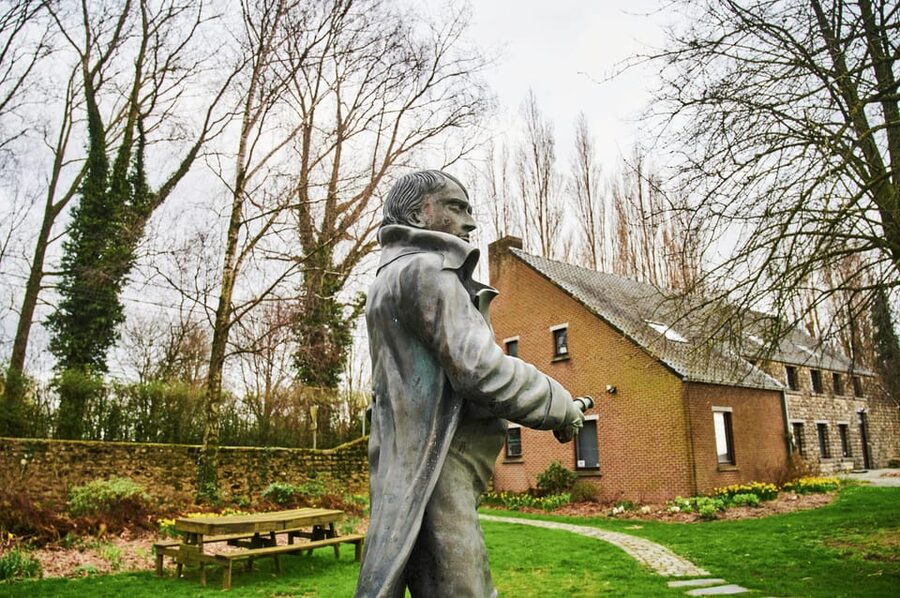
This tour is short enough that you can plan your whole day around it. You’re picked up from your hotel in Brussels (and nearby areas), then returned after the battlefield stops and the lunch pause.
You’ll want to be ready for pickup timing. The instructions are to wait in your accommodation lobby about 10 minutes before pick-up. Arriving early keeps the day smooth, and battlefield tours don’t leave room for delays.
Comfort wise, the biggest thing is footwear. Even if your walking isn’t extreme, battlefields are outdoors and uneven. Bring shoes you trust. For clothing, wear weather-appropriate layers—especially in Belgium, where conditions can shift quickly.
Lunch is built in as a one-hour restaurant stop, but food is not included in the price. That’s a normal trade-off for private tours, and it keeps choices flexible. Still, you should consider that the first restaurant option may not always have seating—if you’re eating somewhere popular, a full dining room can shift you to an alternate place. To avoid stress, plan to treat lunch as time you use efficiently, not as a long sit-down meal.
Also, if you know you’ll need a restroom break, bring it up early to your guide. One rough note from a low-scoring experience involved having to request a break later than ideal. You’ll enjoy the day more if you handle that before you feel rushed.
Price and value: is $764 per person really fair?
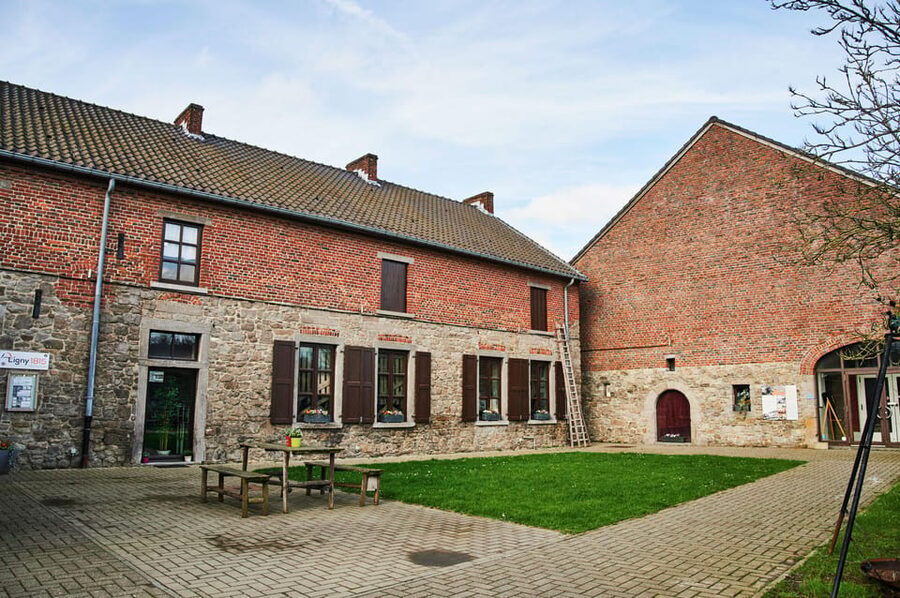
Let’s talk money honestly. At $764 per person for a 6-hour private tour, this is not a budget activity. You’re paying for private transportation, a private guide, and included costs that would otherwise add up on your own.
What helps justify the price is what’s included:
- Private transport (so you’re not planning driving, parking, or transit between sites)
- Private guide (so you’re not stuck with generic audio)
- Drinks during the day
- Souvenir included
- Fees included (so you’re not doing last-minute ticket math)
The value equation changes based on how you learn. If you love history but also love learning the “why” behind decisions, a strong guide makes the sites snap into place. If you’d rather do your own reading and visit at your own speed, you may wonder if the price is buying enough depth for your style.
This is where guide quality becomes part of the value. A more positive experience described guides like Jeremie, Eric, and his approach to explaining geography, times, locations, and participants—basically making the campaign feel alive. A less satisfied experience described a guide’s explanation as more superficial. Since the tour is private, the upside is that you may get strong tailoring; the downside is that you still need a guide who can explain what you’re seeing clearly.
My practical advice: before you go (or as soon as you meet your guide), ask what they’ll focus on—geography, chronology, or the people involved. If that answer sounds thin to you, you’ll know early enough to adjust how you ask questions for the rest of the day.
Who this tour suits best (and who might want a different style)
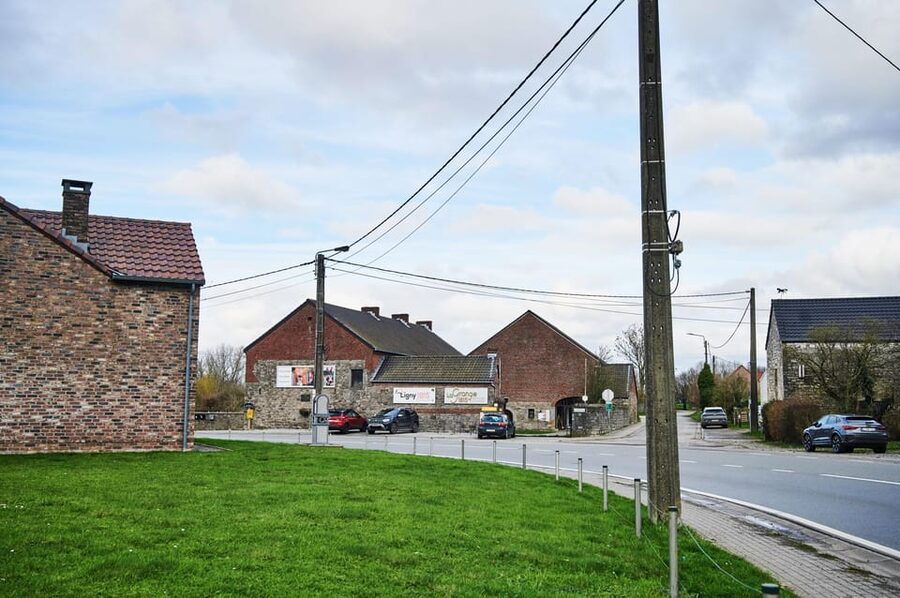
You’ll probably love this tour if you:
- Want the Ligny → Quatre-Bras → Waterloo story in the correct order
- Like your history tied to terrain and real-world geography
- Prefer a private experience where you can ask questions
- Enjoy battlefield sites more when someone helps connect events and time
This tour may frustrate you if you expect long, independent wandering. The stops are guided and time-bounded—great for learning fast, less ideal if you want to spend a half-day copying notes into a personal research notebook.
It also helps if you’re comfortable with a day that includes outdoor time plus a short lunch. The tour is balanced for a one-day outing, not a slow, multi-day deep study.
Should you book? My take on the decision
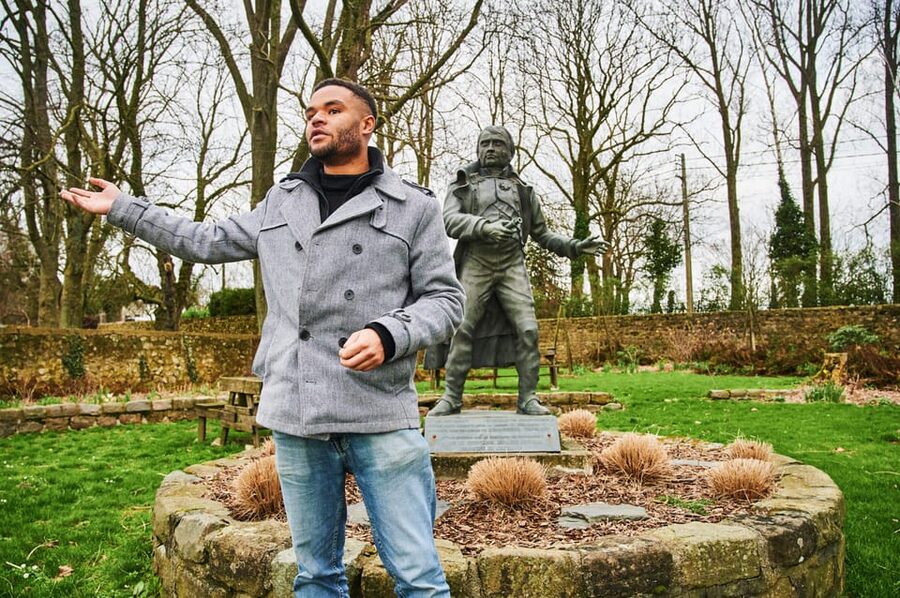
Book it if you want a guided day that makes Napoleon’s last campaign feel logical—from the last victory at Ligny to the British and Prussian defeat at Waterloo, ending at Lion’s Hill with the Dutch memorial story. The structure is strong, and when the guide is good, the battlefield details connect fast.
Hold off or shop carefully if your main goal is budget value or long independent exploring. At $764 per person, you should be confident you’ll use the private guide time well. Ask questions early, especially about how the guide will explain geography, chronology, and what the armies were trying to do. If those answers align with your learning style, this is a powerful use of a day out of Brussels.
If you want one last practical tip: wear shoes you can stand in comfortably for a couple of hours, and plan to treat lunch as a quick fueling stop, not a highlight meal. Do that, and you’ll get more out of every guided minute.
FAQ
How long is the tour from Brussels?
The tour duration is listed as 6 hours.
What battle sites are included?
You’ll visit the sites of Ligny, Quatre-Bras, and Waterloo.
How long is the guided time at each stop?
The tour lists 45 minutes for Ligny, 30 minutes for Quatre-Bras, and 2.08 hours for Waterloo.
Is lunch included?
There is a 1-hour lunch stop at a local restaurant, but food is not included in the price.
Does the tour include pickup from my hotel in Brussels?
Yes. Pickup is included from your hotel in Brussels (and surrounding areas). The instruction is to wait in your accommodation lobby about 10 minutes before pick-up.
Is this a private group tour?
Yes, it is a private group experience with a private guide.
What languages are the guides?
The live tour guide is available in French and English.
What’s included in the cost besides the guide?
Included items list private transportation, drinks, souvenirs, and fees.
What’s the cancellation policy?
It offers free cancellation up to 24 hours in advance for a full refund.
More Brussels Outings

More Tour Reviews in Waterloo Belgium
The Battlefields Near Brussels
Hot Off the Press: New Brussels Reviews
Waterloo & Battlefield Day Trips from Brussels, compared.
 ★ 4.5Flanders Fields Remembrance Tour from BrusselsFrom $113334 reviews
 ★ 5.0Remembrance Tour: The Battle of the Bulge in the ArdennesFrom $10751 reviews
 ★ 4.8From Brussels: The Battle of the Bulge Remembrance TourFrom $9737 reviews
 ★ 5.0Historic Battle of the Bulge Sites Tour from BrusselsFrom $70131 reviews
 ★ 4.5Bastogne Battle of the Bulge from Brussels (semi-private)From $1,50526 reviews
 ★ 4.5From Brussels: Patton’s Battle of the Bulge Day Trip (LUX+BE)From $1,05615 reviews
 ★ 5.0The Battle of The Bulge tourFrom $1,74413 reviews
 ★ 4.5Napoleon Last Campaign (Waterloo, Ligny..) Day Tour from BrusselsFrom $78110 reviews
Browse the lists this tour appears in