
Reviewed · WATERLOO & BATTLEFIELD DAY TRIPS FROM BRUSSELS
The Battle of The Bulge tour
War stories start early in Bastogne.
This private Battle of the Bulge day trip is interesting because it’s tailored to what you care about most, from battlefield focus to pacing, and because you get guided access and local know-how beyond what you’d spot on your own. I also like the practical setup: hotel pickup and a plan that packs the big sights into one long day. One real consideration: it’s a 6:30 am start with about 10 hours on the move, so plan for a full-day commitment.
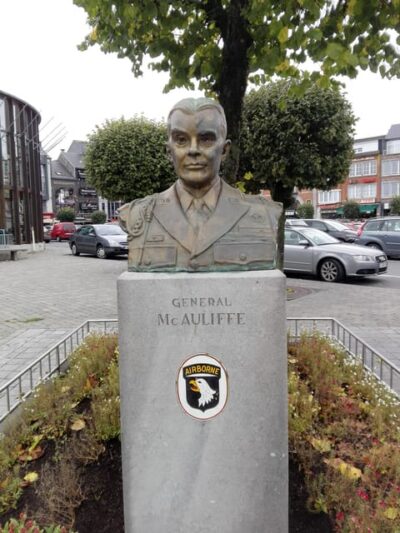
What makes it work well is the guide’s ability to turn “dates and places” into a day that feels personal. In past tours, guides like Fabiano and Patrick were praised for clear explanations and for doing extra research tied to family WWII stories, including customizing routes to match where relatives fought. You might also hear about special access, like a stop at a chateau linked to McAuliffe’s HQ, where a property owner helped make the visit more than a quick look.
In This Review
- Key highlights worth planning around
- Brussels to Bastogne: what a 6:30 am start really means
- Private and customizable: how guides make the Battle of the Bulge feel relevant
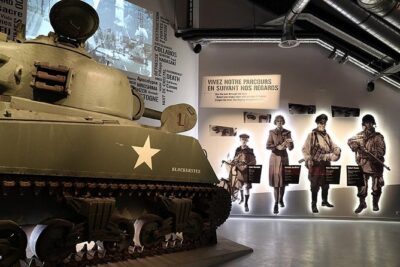
- Bastogne War Museum: where the frontline imagery hits hardest
- McAuliffe’s HQ at a chateau: the power of access and context
- Belgian villages and countryside: getting the setting right
- Price and value for groups up to 7 (and why it may be worth it)
- What to expect day-of: timing, pace, and getting the most out of 10 hours
- Should you book this Battle of the Bulge tour from Brussels?
- FAQ
- How long is the Battle of the Bulge tour from Brussels?
- What time does the tour start?
- Is pickup available?
- Is this tour private?
- What language is the tour offered in?
- What is included in the price?
- What is not included?
- Is the tour admission at Bastogne War Museum included?
- What happens if the weather is poor?
- Can most travelers participate?
Key highlights worth planning around
- Private, fully customizable routing for your group (up to 7)
- 6:30 am departure with transportation included and hotel pickup available
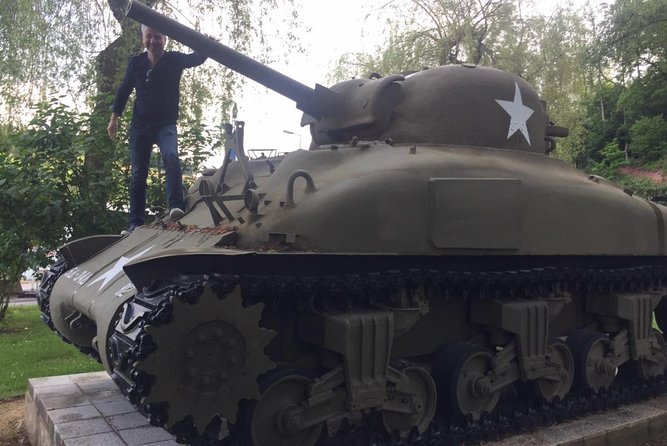
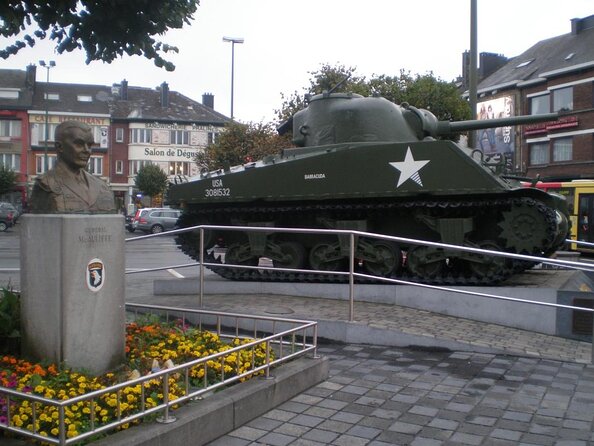
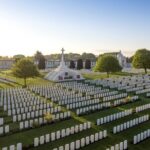
- Bastogne War Museum time on the ground with the frontline feel of foxholes, tanks, and cemeteries
- Guides who personalize the day, including research for family connections
- Extra access stops when the day allows, such as the chateau tied to McAuliffe’s HQ
- Belgian countryside + local villages, not just one museum and done
Brussels to Bastogne: what a 6:30 am start really means
A day like this has one job: get you to the WWII sites early enough that you don’t feel rushed or stuck in late-day scramble. The start time is 6:30 am, and the full day runs about 10 hours. That means you’re not sleeping in, but you are more likely to experience places at a calmer pace and with better light for walking around.
If you’re staying in Brussels proper, the practical win is pickup. It removes the friction of figuring out trains, buses, and parking for a long-distance, battlefield-focused day. Instead, you’re ready when the day begins. Past guests have also noted it’s smooth and includes a return drop-off at the end, which matters when you’re tired and still have the rest of your trip to enjoy.
Here’s the tradeoff: you’ll be out long enough that meals can’t be an afterthought. The tour includes transportation, but meals aren’t included. So if you hate eating “whenever,” bring a simple plan: water, snacks if you can, and then eat when your guide schedules it. This is the kind of tour where being comfortable makes the history hit harder.
Finally, the tour notes that it requires good weather. That’s not just small print. Battlefield sites and outdoor stopping points feel very different when weather is rough, so if you’re flexible on dates, you’ll likely have an easier experience.
Onto the battlefields, more history days out
- Flanders Fields Remembrance Tour from Brussels
★ 4.5 · 334 reviews - Remembrance Tour: The Battle of the Bulge in the Ardennes
★ 5.0 · 51 reviews - From Brussels: The Battle of the Bulge Remembrance Tour
★ 4.8 · 37 reviews
Private and customizable: how guides make the Battle of the Bulge feel relevant
The biggest advantage here is the format: private tour for your group only, and it’s fully customizable. That matters because WWII history isn’t one-size-fits-all. If you’re going because you’ve read about the Ardennes campaign, you want the key terrain and context. If you’re going because your father, uncle, or family member fought there, you want the day to connect to real routes and real places, not just a generic slideshow.
In the strongest examples from guides who led past tours, the personalization didn’t stop at your preferences on paper. Guides such as Levi, Fabiano, and Patrick were highlighted for taking extra care to make the day personal—specifically by tailoring visits to battlefields connected to family WWII stories. That kind of effort changes how you remember the day. Instead of thinking, I saw tank remnants, you start thinking, this is where his unit moved, held, or waited.
Even if you don’t have a personal connection, customization still helps. A good guide can match the pace to your group—slow enough to read the terrain and absorb the story, fast enough to keep you moving through the most important stops. And because it’s private, you’re not negotiating around strangers’ energy levels or attention spans.
So what’s the consideration? With a customizable private tour, you get better results if you show up prepared with at least a few anchors. Bring names, unit info you might have, or even just what you want most: tanks and foxholes, cemeteries, command decisions, or the broader “why it mattered” story. When you share that, you’re much more likely to get a route that feels made for you.
Bastogne War Museum: where the frontline imagery hits hardest
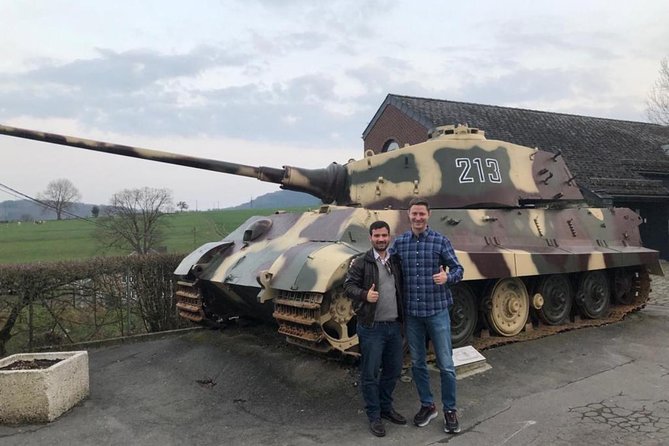
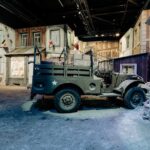
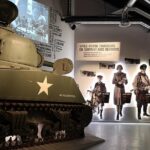
The tour’s first major stop is Bastogne War Museum, with about 2 hours scheduled. Even that time window can feel short because the site is designed to put you in the emotional and physical reality of what fighting in this area meant.
This is where you should expect a heavy, grounded experience. The tour description emphasizes seeing foxholes, tanks, cemeteries, and more—so you’re not only getting explanations from a distance. You’re looking at artifacts and spaces tied to the campaign’s worst moments. The museum experience is often the point where people stop viewing WWII as abstract history and start treating it like a place where real choices were made under pressure.
If you’re a history fan, you’ll appreciate the focused time. If you’re not, you’ll still benefit because the museum structure tends to guide you through the “what happened and why” arc in a way that’s easier to follow than doing it alone.
Two practical tips help this stop land well:
- Wear shoes you don’t mind getting used. This kind of museum visit often includes areas where you’ll be standing more than you expect.
- Bring a curious mindset, not just a checklist. Sites like foxholes and cemeteries are most meaningful when you let yourself pause.
Also note the tour details list admission ticket free for this museum stop. Still, the overall tour states meals and museums entrances aren’t included, so if you plan extra entries beyond what’s built into the schedule, ask your guide what’s covered and what isn’t.
McAuliffe’s HQ at a chateau: the power of access and context
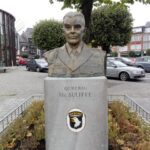
One of the most memorable stories that comes up for this tour involves a chateau linked to McAuliffe’s HQ. In an example of a standout day, a guide (Fabiano) arranged access through the current owner, which gave the group access beyond what you’d expect from a quick pass.
Why does this matter? Because command centers are different from field artifacts. When you see where leaders made decisions, you start to understand the campaign’s rhythm: communication, urgency, and the way terrain turns into strategy. A museum can show you what existed. A command-site visit helps you understand how people used what existed.
This stop also tends to make the tour feel less like “drive, park, look, leave.” When access is possible, you get a more human scale of history—people talking, showing, explaining, and sometimes even sharing details that only a property owner would know.
The only caution here is timing. A chateau or access-based stop works when the day allows and when conditions are right. So keep your expectations flexible. If it’s included in your day, lean in—this is the moment where the day often becomes vivid and personal.



Belgian villages and countryside: getting the setting right
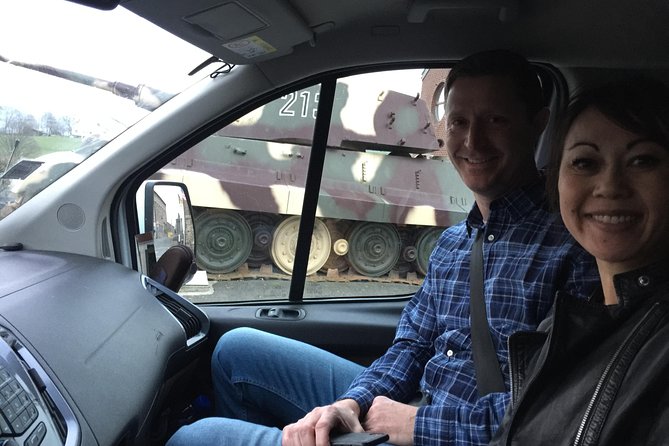
Beyond the big historical sites, the tour aims to show Belgian countryside and to include local villages and towns along the way. That might sound like scenery filler, but it actually supports the point of the day.
The Battle of the Bulge wasn’t fought in a museum diorama. It unfolded across farmland, roads, hedgerows, and small communities that shaped movement and visibility. When you see the terrain and the towns that dot it, the story starts to make physical sense. Even if you’re not an avid map reader, the drive helps you picture why certain lines held or why some maneuvers were slower than people assume.
Because the tour is private, your guide can also connect what you see to the WWII narrative. If your group is detail-minded, the guide can slow down to point out how terrain influenced decisions. If you’re more casual, the guide can keep the pacing smoother while still making the connection clear.
One practical note: countryside touring usually means you’ll be in the vehicle more than you think. The tour duration is about 10 hours total, so plan for some “vehicle time” as part of the deal. If you’re sensitive to long drives, bring water and a light snack, and consider wearing layers you can adjust in the morning-to-afternoon temperature swing.
Price and value for groups up to 7 (and why it may be worth it)
The price is $1,744.25 per group, up to 7 people. On the surface, that’s not cheap—especially if you’re traveling solo or as a couple. But private WWII touring costs money in the places you feel: transportation for a full day, a guide’s time, and the effort it takes to customize a meaningful route.
Here’s how to think about value:
- If you’re splitting costs among a small group, the per-person price drops fast.
- If you want customization tied to family history or specific sites, private format is often the only way to make that happen smoothly.
- You’re paying for time and direction. Battlefield days can be frustrating when you’re trying to stitch together the right stops without local knowledge.
Also, you get all fees and taxes included, which reduces the “surprise extras” factor. The tradeoff is what’s not included: meals and museums entrances. So the total cost of your day will depend on your meal choices, and possibly any extra museum stops not covered in your specific schedule.
If you’re a WW2 enthusiast, the guide’s ability to connect details to what you’re seeing is the difference between a day that’s informative and a day that’s unforgettable. That’s why many guests rate this tour extremely highly and mention how guides like Fabiano and Patrick went out of their way to answer questions and keep the day unhurried.
What to expect day-of: timing, pace, and getting the most out of 10 hours
This is a full-day plan: morning start at 6:30 am and roughly 10 hours total. The pace is designed to fit key sites and travel time without making you feel like you’re constantly rushing. That said, it’s still a long day. Your goal should be comfort and focus.
What to do before you go:
- If you have any family WWII details, write them down. Even partial info helps a guide tailor the day.
- Decide what matters most to you: battlefield terrain, command decisions, specific sites, or a big-picture narrative.
- Pack accordingly: comfortable shoes, a light jacket, and water. Museums and outdoor stops can be cooler or warmer than you expect.
During the tour, lean into your guide’s explanations, especially when they connect the sites you’re seeing to the wider story of the campaign. In past days, guides were praised for being clear, detailed, and caring—meaning they won’t treat you like a passive passenger. You’ll get chances to ask questions, and you’ll likely get advice for how to continue your trip after Brussels.
Also, the tour notes that most travelers can participate. If anyone in your group has mobility limitations, it’s worth discussing ahead of time with the provider so the guide can plan stops accordingly.
Should you book this Battle of the Bulge tour from Brussels?
If you want a Battle of the Bulge day that feels organized, personal, and built around the places where the fighting actually happened, I think this is a strong choice—especially for small groups. The private format, the customization, and the ability to hit major sites like Bastogne War Museum make it more than a drive-and-look outing.
Book it if:
- You’re traveling with up to 7 people and want to split costs.
- You care about WWII history and want clear guidance on what you’re seeing.
- You’d like your visit tailored to interests, or you have family ties to specific battlefields.
- You want hotel pickup and a one-day plan that doesn’t eat your vacation energy with logistics.
Skip it (or at least ask more questions) if:
- You hate early starts and long days. The 6:30 am kickoff is real.
- You’re looking for a short, casual overview with minimal walking and no “serious history” tone.
In short: if your ideal day in Belgium includes WWII sites, local knowledge, and a guide who will take your interests seriously, this tour is the kind of plan that can stick with you long after you’re back in Brussels.
FAQ
How long is the Battle of the Bulge tour from Brussels?
It runs about 10 hours (approx.).
What time does the tour start?
The start time is 6:30 am.
Is pickup available?
Yes. The tour offers hotel pickup.
Is this tour private?
Yes. It’s a private tour, so only your group participates.
What language is the tour offered in?
It’s offered in English.
What is included in the price?
The tour includes all fees and taxes, and transportation with pickup.
What is not included?
Meals and museums entrances are not included. (The Bastogne War Museum stop is listed with admission ticket free, but plan on paying for meals and any additional entries.)
Is the tour admission at Bastogne War Museum included?
The Bastogne War Museum admission ticket is listed as free for that stop.
What happens if the weather is poor?
The experience requires good weather. If it’s canceled due to poor weather, you’ll be offered a different date or a full refund.
Can most travelers participate?
The tour states that most travelers can participate.
More Brussels Outings

More Tour Reviews in Brussels



The Battlefields Near Brussels
Hot Off the Press: New Brussels Reviews

Waterloo & Battlefield Day Trips from Brussels, compared.
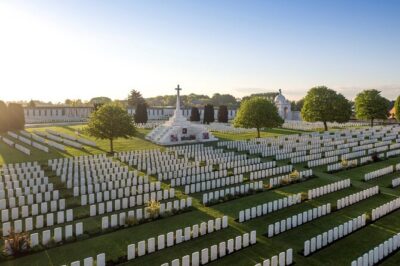 ★ 4.5Flanders Fields Remembrance Tour from BrusselsFrom $113334 reviews
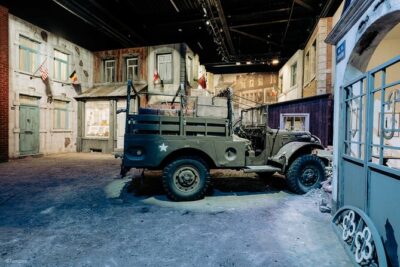 ★ 5.0Remembrance Tour: The Battle of the Bulge in the ArdennesFrom $10751 reviews
 ★ 4.8From Brussels: The Battle of the Bulge Remembrance TourFrom $9737 reviews
 ★ 5.0Historic Battle of the Bulge Sites Tour from BrusselsFrom $70131 reviews
 ★ 4.5Bastogne Battle of the Bulge from Brussels (semi-private)From $1,50526 reviews
 ★ 4.5From Brussels: Patton’s Battle of the Bulge Day Trip (LUX+BE)From $1,05615 reviews
 ★ 4.5Napoleon Last Campaign (Waterloo, Ligny..) Day Tour from BrusselsFrom $78110 reviews
 ★ 4.5Waterloo Private Battlegrounds Tour with Lion HillFrom $5159 reviews
Browse the lists this tour appears in