
Reviewed · BRUSSELS FOOD & TASTING TOURS
Market Tour and Cooking Lesson with a Belgian Gourmet Meal in a Brussels Home
Dinner starts at the market. This private Brussels experience pairs a quick walk to Le Marché Bio with a real cooking lesson in host Ine’s apartment kitchen, followed by the meal you helped make. It’s the kind of outing that feels like local life, not a staged activity.
I love two things most: the organic produce browsing that sets the menu up in a practical way, and the hands-on cooking where you’ll learn techniques you can actually repeat at home. Ine’s communication is clear, and the evening turns into conversation as much as it turns into food.
One consideration: this is in a home kitchen, so the setup is compact. If you need lots of space, or you want a large group workshop vibe, this one may feel snug.
In This Review
- Key highlights worth your attention
- From Place du Jeu de Balle to a proper local dinner
- Le Marché Bio: the market walk that sets the menu up
- Sunday swap to a farmer’s market
- Meeting Ine: hands-on cooking in a real apartment kitchen
- The menu: Belgian-inspired comfort with international finesse
- Why this menu works for a cooking lesson
- Vegetarian option and dietary needs
- Eating with a view: the relaxed sit-down part
- How long is it, and how the day actually feels
- Price and value: $179 for a private home dinner experience
- Who should book this (and who might skip it)
- Practical tips so you enjoy it fully
- Should you book this Belgian cooking lesson at Ine’s home?
- FAQ
- Where do we meet for the Brussels market and cooking experience?
- How long does the activity take?
- Is this experience private, and is it offered in English?
- What types of dishes are included in the meal?
- Can you accommodate vegetarian diets or allergies?
- What’s different on Sundays?
- What’s included in the $179 price, and what’s not?
Key highlights worth your attention
- Le Marché Bio and seasonal shopping: You’ll browse regional ingredients before cooking, and your menu can shift with what’s best.
- Hands-on cooking, not a demo: You’ll work through courses, not just watch.
- A real Brussels host experience with Ine: Expect lively conversation, laughter, and plenty of tips while you cook.
- Food that balances flavors and textures: Think gazpacho-style starters, tomato coulis, roast meats or fish, and plated dessert.
- Small-group feel: The apartment setting is cozy, designed for a few people at a time.
- Flexibility for diets: Vegetarian options are available, and allergies or restrictions can be discussed when booking.
From Place du Jeu de Balle to a proper local dinner
Brussels can be a maze. So I like it when an activity starts with a clear meeting point and then moves you through neighborhoods on foot, at an easy pace. You begin at Place du Jeu de Balle and finish back there, which keeps your evening simple if you’re already exploring the city.
The core idea is straightforward: you shop first, then cook, then eat. That order matters more than you’d think. If you’ve ever done cooking lessons where the ingredients feel generic, you’ll appreciate the opposite here. Your host steers you toward seasonal produce and staples you can identify in the market. Then those same items show up in the dishes, which makes the whole process click.
Also, this is not a commercial cooking school with a big classroom and a script. It’s a private, personalized home experience. That usually means the pace is calmer, and you get more attention as you chop, mix, taste, and plate.
Still hungry? More Brussels tasting trails
- Brussels Walking and Tasting Tour (Beers,Chocolates&Fries/Waffle)
★ 5.0 · 929 reviews - Brussels Chocolate Beer Waffle and Belgian Whiskey All-in-One (Small Group) Tour
★ 5.0 · 551 reviews - Brussels: Walking Tour with Belgian Lunch, Chocolate, & Beer
★ 4.7 · 300 reviews
Le Marché Bio: the market walk that sets the menu up
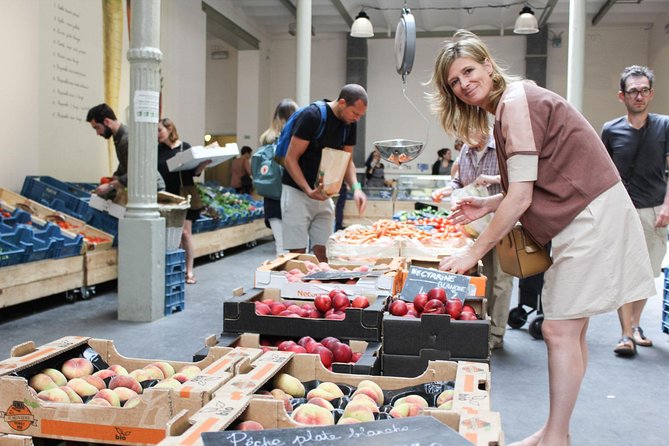
The market portion is short but meaningful. You walk less than 10 minutes to Le Marché Bio, a covered organic market. Even if you know your way around Brussels, a market stop with a local is a shortcut to understanding what’s truly seasonal.
Here’s what you can expect to focus on while you browse:
- seasonal vegetables and fruits that show up naturally in your meal
- breads and pantry staples from the region
- what looks best that day, not what’s always available
This is also where you get the first real lesson: how locals think about ingredients. The questions your host asks (and the way she points things out) help you learn the logic behind the menu. Instead of memorizing recipes, you start learning how decisions get made—what’s in season, what pairs well, and what needs balancing.
One practical perk: the market is covered. So if the weather does its usual Brussels trick—damp or drizzly—you’re not stuck in a fully exposed line of stalls.
Sunday swap to a farmer’s market
If your date falls on a Sunday, you may explore a local farmer’s market instead of Le Marché Bio. It’s a simple change, but it’s an important one. Farmer’s markets often feel more rustic and seasonal, so your shopping vibe could shift a bit. Either way, the goal stays the same: shop first, cook second.
Meeting Ine: hands-on cooking in a real apartment kitchen
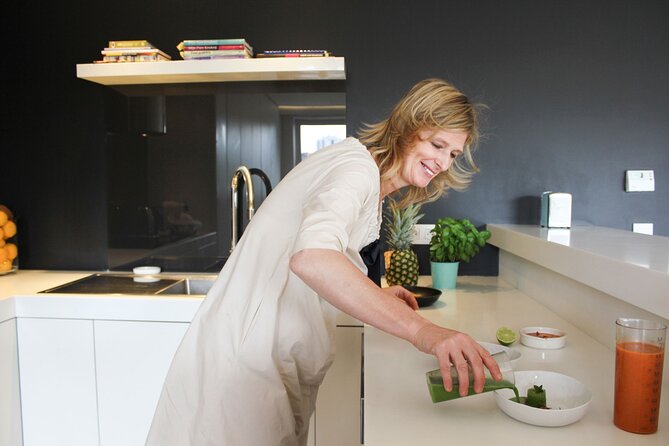
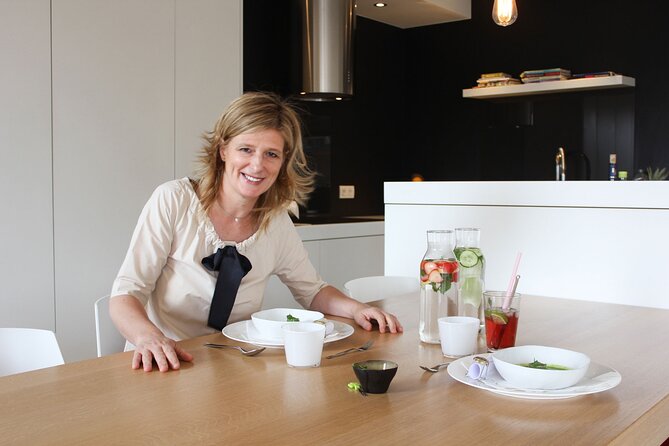
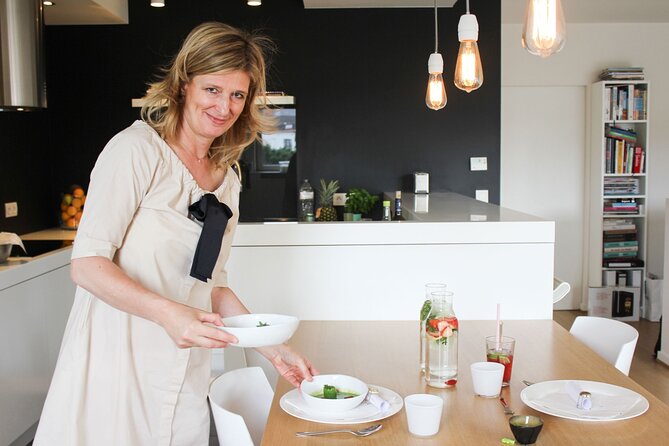
After the market, you move into Ine’s kitchen. The kitchen is described as modern and clean, and it’s sized for a small group—think intimate, not industrial. In practice, this kind of setup is ideal when you want to talk while you cook, and when you want a host who can keep an eye on what you’re doing.
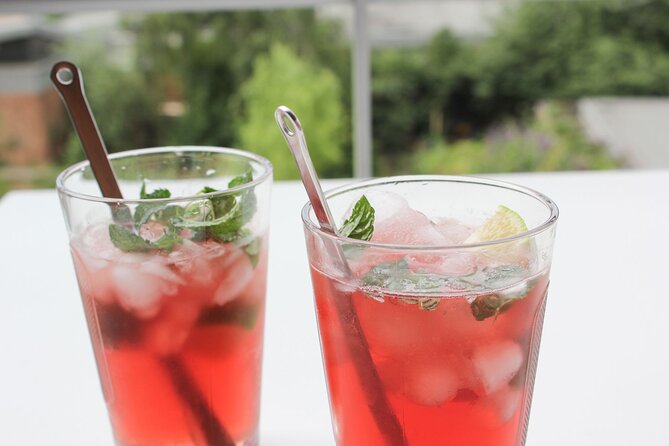
The cooking portion lasts about two hours. That’s a sweet spot. Long enough to feel productive, short enough that the day doesn’t drag. You’ll start with a drink—something refreshing in hand—then get cooking tips and techniques as you go.
What I like about this format is how it spreads learning across the meal. You’re not just doing one thing like chopping aromatics. You’ll handle multiple steps that connect to flavor: tasting, adjusting, timing, and plating.
Also, you’ll likely spend time talking during the meal. Several accounts highlight how the evening turns social—conversation, laughter, and more time at the table than planned. That’s not a small detail. It’s part of the value: you’re not just consuming food, you’re sharing an experience.



The menu: Belgian-inspired comfort with international finesse
The menu varies by season, but the style stays consistent: balanced flavors, good texture, and dishes that don’t feel heavy just to be heavy. Ine’s cooking is described as Belgian-inspired international cuisine, which usually means familiar comfort with a few clever turns.
Here are dishes you might see on your table:
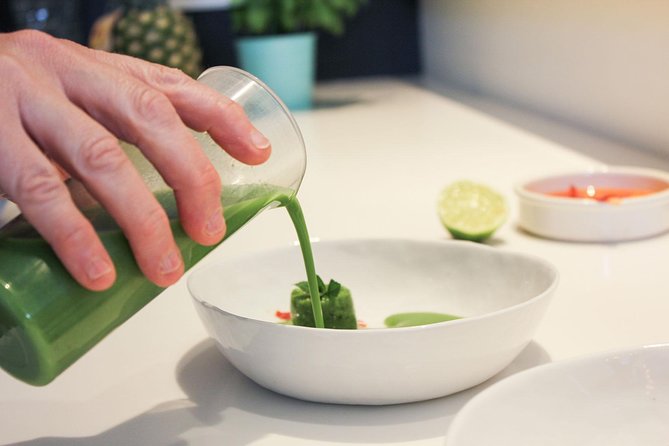
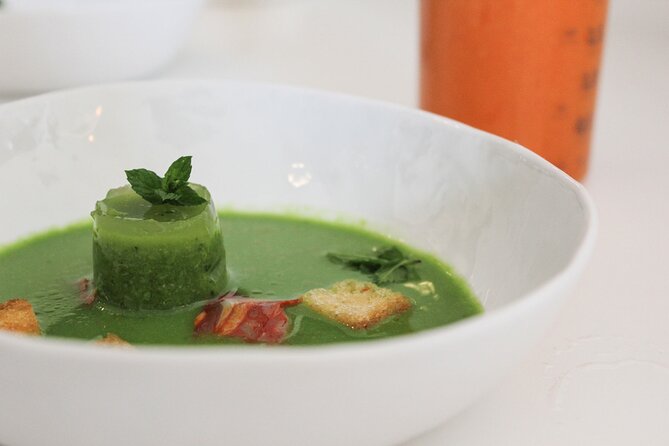
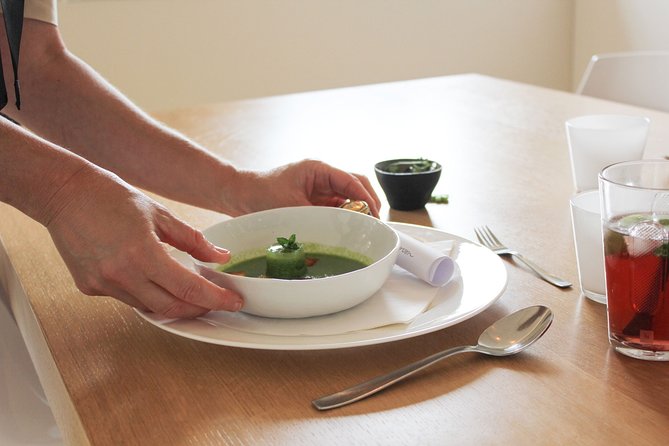
- Starters: hors d’œuvres like marinated olives and cured meat, plus a green pea (or other) gazpacho
- Main: squid with tomato coulis or a whole roasted herbed dorade
- Main alternative: roasted chicken with herbed potatoes (depending on the menu that day)
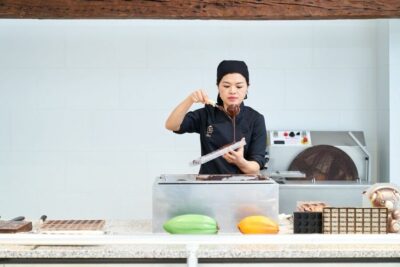
- Dessert: white and dark chocolate dipped strawberries
Why this menu works for a cooking lesson
These dishes are teachable. They also cover different cooking skills:
- A gazpacho-style starter is about freshness and balance—chilling, seasoning, and texture.
- Tomato coulis is about sauce work: reducing, warming, and building flavor without making it complicated.
- Roasting fish or chicken teaches timing and doneness, plus herb handling.
- Chocolate dipped strawberries brings the lesson full circle: presentation and finishing touches.
The biggest payoff is that you get to practice a few core techniques and then apply them across courses. So when you leave, you don’t just remember what you ate—you remember how to recreate key steps.
Vegetarian option and dietary needs
If you want vegetarian, tell the host when booking. The experience explicitly offers a vegetarian option. For other dietary restrictions or allergies, you’ll need to advise the host at the time of booking so she can adjust the menu.
That’s a big deal in a home kitchen. In commercial settings, substitutions are sometimes generic. Here, the host is adapting the actual flow of the meal, which tends to produce better results.
Eating with a view: the relaxed sit-down part
After about two hours of cooking, you sit down to eat the meal you helped prepare. This is where the experience shifts from active work to relaxed enjoyment.
One highlight mentioned is enjoying your food while overlooking quiet neighborhood gardens. That’s not something you get at most cooking schools. It changes the mood. Instead of standing and eating in a classroom, you get a calmer, more intimate meal setting.
The experience also includes beverages, and alcoholic beverages are included. Some accounts describe wine or champagne during the evening, and you’ll also start the cooking portion with a refreshing drink. Translation: expect a slower pace, with time to talk and taste as the meal comes together.
Also, you’ll learn simple but beautiful presentation. Plating is often treated like an afterthought in many classes, but here it’s part of the lesson. You’ll walk away knowing how to make the food look as good as it tastes without needing restaurant-level equipment.
How long is it, and how the day actually feels
You’re looking at around five hours total. That includes the market time and the cooking and eating stretches.
In a good way, the structure is practical:
- You shop for ingredients in a real organic market setting.
- You cook in a home kitchen with focused attention.
- You eat what you make, with drinks and time to enjoy the evening.
A small timing note: because it’s in a private apartment, you’re not moving between multiple venues. That makes it easier to stay in the rhythm of the evening. And since it ends back at the same starting point, you’re not left guessing where to go next.
Price and value: $179 for a private home dinner experience
At $179 per person, this is not a budget group activity. But when you look at what’s included, the value is easier to justify.
Your price includes:
- the market tour
- the cooking class with your host, plus the gourmet meal
- beverages
- lunch and dinner
- taxes, fees, and handling charges
- gratuities
- alcoholic beverages
Two things make the pricing feel more reasonable than it first appears:
- It’s private and hosted in a home, so you’re paying for the host’s time and the real instruction, not just a standardized workshop.
- Many cooking activities charge extra for drinks, meal components, or add-ons. Here, it’s folded in.
In other words, you’re paying for a full “market-to-table” night with shopping, cooking, and eating built in. If you’d otherwise spend money on a guided market walk plus a nice dinner, this can land closer to what you’d already plan to do.
Who should book this (and who might skip it)
This experience fits best if you:
- want an authentic home-cooking night in Brussels, not a big commercial class
- like hands-on food work and want to learn techniques
- enjoy market browsing as part of the travel story
- travel as a couple, with a friend, or in a small group that fits a compact kitchen
I’d think twice if you:
- want lots of space or a large classroom setup
- need a very structured, high-volume production style
- are hoping for a quick snack event rather than a full meal experience
It also helps if you’re comfortable asking questions. The tone is friendly and conversation-friendly, and Ine’s approach seems designed for interaction, not silence.
Practical tips so you enjoy it fully
This is a home-based food experience, so a few smart choices make it smoother.
- Wear comfortable shoes. You’ll walk to the market area and back.
- Come hungry, but not overly stressed about timing. The rhythm is paced around cooking and then eating.
- If you have dietary restrictions, send them when booking. The menu can vary by season, so advance details help your host plan better.
- If you’re doing this on a Sunday, expect the market style to change. Build flexibility into your mental schedule.
One more tip: bring a curious mindset. The best part of cooking lessons like this isn’t memorizing recipes—it’s understanding why certain ingredients work together. Ine’s tips are part of that learning.
Should you book this Belgian cooking lesson at Ine’s home?
If you want a Brussels experience that feels personal, food-focused, and genuinely local, this is a strong pick. The market stop at Le Marché Bio, the hands-on two-hour cooking session, and the full sit-down meal (with drinks) make it more than just a recipe transfer. It’s a night with a host, a kitchen, and ingredients that actually shaped the menu.
Book it if you’re traveling with one other person or a small group and you’ll enjoy learning while talking. Skip it if you prefer big group classes, want maximum elbow room, or only want a short, casual bite.
In short: if you like the idea of turning market browsing into a dinner you helped create, you’ll likely love the way the evening flows.
FAQ
Where do we meet for the Brussels market and cooking experience?
You meet at Place du Jeu de Balle, Pl. du Jeu de Balle, 1000 Bruxelles, Belgium. The experience ends back at the meeting point.
How long does the activity take?
The duration is about five hours.
Is this experience private, and is it offered in English?
Yes. It’s a private, personalized experience for your group only, and it’s offered in English.
What types of dishes are included in the meal?
The menu can vary by season, but examples include green pea gazpacho (or other gazpacho), squid with tomato coulis or whole roasted herbed dorade, and roasted chicken with herbed potatoes. Dessert may include white and dark chocolate dipped strawberries.
Can you accommodate vegetarian diets or allergies?
A vegetarian option is available if you request it at booking. If anyone in your group has allergies, dietary restrictions, or cooking preferences, you should advise at time of booking.
What’s different on Sundays?
On Sundays, you may explore a local farmer’s market instead of Le Marché Bio.
What’s included in the $179 price, and what’s not?
Included are the market tour, cooking class, gourmet meal with host Ine, beverages, lunch and dinner, taxes/fees/handling charges, and gratuities (including alcoholic beverages). Hotel pickup and drop-off are not included.
More Brussels Outings






More Tour Reviews in Brussels




Eat Brussels: More Tasting Trails




Hot Off the Press: New Brussels Reviews




Brussels Food & Tasting Tours, compared.
 ★ 5.0Brussels Walking and Tasting Tour (Beers,Chocolates&Fries/Waffle)From $84929 reviews
 ★ 5.0Brussels Chocolate Beer Waffle and Belgian Whiskey All-in-One (Small Group) TourFrom $168551 reviews
 ★ 4.7Walking Tour with Belgian Lunch, Chocolate, & BeerFrom $101300 reviews
 ★ 4.5Brussels All In Tour : Belgian food, chocolate, beer, sightseeingFrom $114289 reviews
 ★ 5.0Brussels Food Tour with Full Meal & Drinks by Do Eat BetterFrom $102229 reviews
 ★ 4.8City Center Guided Food Tour with TastingsFrom $70174 reviews
 ★ 4.4Brussels Tipsy Tour: Cocktail Making, Painting & ChocolatesFrom $44115 reviews
 ★ 5.0Brussels Food Tour: 10 Tastings of Waffles, Beers, Fries & MoreFrom $13089 reviews
Browse the lists this tour appears in