Reviewed · BRUSSELS
Tell Me About Brussels! | First Day Must-Do | Local Storytellers
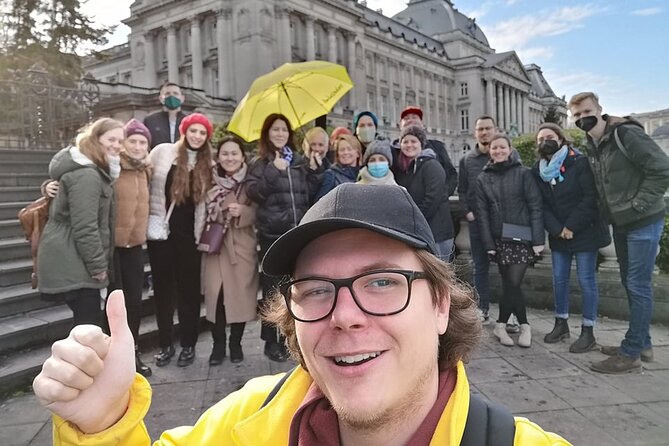
Brussels starts fast on this walk. In about 2 hours 30 minutes, you cover a stack of top sights with an English-speaking guide who explains what you’re seeing (and why it matters) without drowning you in heavy facts. Guides such as Tom, Tristan, and Conor are often described as funny, story-driven, and quick to share practical tips.
I especially like that the tour is built for a first day. You get a smooth on-foot loop from Grand Place through the old center, finishing near Mont des Arts, so you leave with an instant mental map of where everything is.
One thing to keep in mind: it’s still a walking tour. The route includes an uphill finish, and the experience lists moderate physical fitness, so plan accordingly if your legs aren’t thrilled by hills.
In This Review
- Key highlights worth planning for
- Where you start: Grand Place to get your bearings
- Manneken Pis and the Stock Exchange: two big symbols, brief stops
- Delirium and the Galeries Royales: shopping and beer in the same breath
- St. Michael and St. Gudula Cathedral: a short pause with a lot of presence
- Parc de Bruxelles (Warandepark): a quick green reset
- Royal Palace and the uphill ending near Mont des Arts
- Price and tipping: why the real value is in what your guide gives you
- Group size and tour style: capped numbers, a human pace
- Who this tour suits best (and who should consider another plan)
- Practical tips so you enjoy every stop
- Should you book this Brussels first-day walking tour?
- FAQ
- How long is the Brussels first-day must-do tour?
- Where does the tour start and where does it end?
- What language is the tour offered in?
- How much does it cost, and is tipping expected?
- How big are the groups?
- Do I need to pay for entry tickets at the stops?
- Is the tour suitable for people with mobility concerns?
- What happens if the weather is bad or the minimum isn’t met?
- Can I bring a service animal?
Key highlights worth planning for
- Grand Place start and a real first-day orientation: you’ll know your bearings fast.
- A short, hit-the-highlights route: major center sights in one connected walk.
- Free admission at each marked stop: you can spend money on food and beer instead.
- Delirium beer stop plus practical local recommendations: expect ideas beyond monuments.
- Small, capped group feel: capped at 20, with smaller booking limits to keep it balanced.
- Guides with humor and flexibility: many groups report the experience stays light and useful.
Where you start: Grand Place to get your bearings
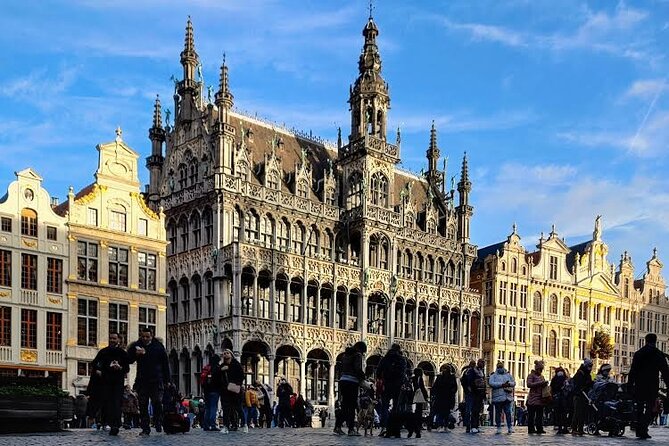
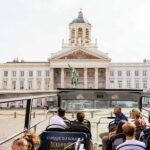
Your tour begins at Grand Place/Grote Markt, one of Europe’s great public squares. It’s a smart place to start because the square anchors your sense of direction. If you can find Grand Place on your first day, you can usually find everything else later.
From there, you’re on foot with an English-speaking guide. You’ll move at a pace that’s meant for looking and listening, not sprinting from landmark to landmark. The stop durations are short enough that you feel like you’re sampling the city instead of filing past it.
Also, the vibe tends to be friendly and interactive. Several guides on this route (Tom and Tristan show up often in the feedback) are known for mixing light humor with clear explanations. And if you ask questions—about architecture, history, or where to eat next—you’re more likely to get tailored answers, not just a scripted lecture.
Not sure yet? Weigh this one against a handful of Brussels regulars before you commit.
- Brussels: Atomium Entry Ticket with Design Museum Ticket
★ 4.4 · 9,254 reviews - From Brussels: Guided Day Trip to Bruges and Ghent
★ 4.6 · 8,353 reviews - From Brussels: Bruges & Ghent Day Tour – 2 Fairytale Cities
★ 4.7 · 8,242 reviews
Manneken Pis and the Stock Exchange: two big symbols, brief stops
The first major photo moment is Manneken Pis. You’re there for around 10 minutes, which is exactly right. This is one of those Brussels icons that works best when you don’t rush past it. Take a second, look around, and let your guide explain what it represents in local culture—then you’re moving.
Next is La Bourse de Bruxelles (the stock exchange). You’ll have about 15 minutes here. The value of this stop isn’t only the building itself; it’s the chance to understand how the city’s money and power showed up in architecture. Brussels has layers, and this is one of the ways you see them without needing a museum ticket.
A practical note: both of these stops are in the center area, so you’ll be close to cafés and snack spots afterward. That matters because the tour is only 2.5 hours long. You’ll want easy places to continue the day once you’ve finished.
Delirium and the Galeries Royales: shopping and beer in the same breath
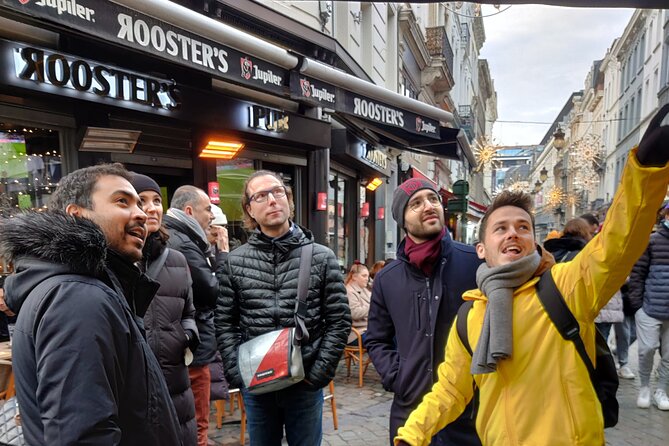
Then comes the Delirium stop—about 10 minutes. The point here is simple: Brussels isn’t just buildings and statues. It also has a famous beer culture, and this is a quick taste of that atmosphere. Expect beers everywhere, and don’t feel pressured to drink alcohol to enjoy the stop. Even if you order something else, you’ll still get context from your guide.
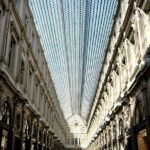
After that, you head into Les Galeries Royales Saint-Hubert for about 15 minutes. This is a classic Brussels shopping gallery stop. It works well on a walking tour because it’s visual and atmospheric, and you can glance at storefronts while your guide explains how this kind of space shaped city life.
One reason I like this pairing is contrast. You go from a quirky city icon to a serious institutional building, then to beer, then to a covered shopping street. That rhythm helps you understand Brussels as a real city—where history and daily life sit side by side.
St. Michael and St. Gudula Cathedral: a short pause with a lot of presence
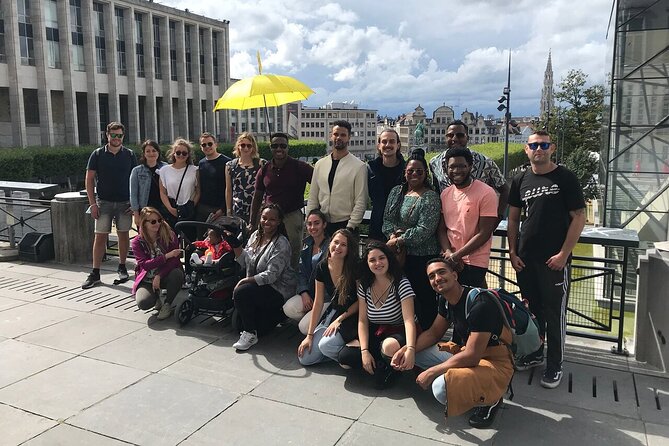
Next up is St. Michael and St. Gudula Cathedral. You’ll spend about 10 minutes here. That short timing is important: a cathedral can swallow time if you let it. In a 2.5-hour tour, it’s better to hit the essentials, then go back later if you want more.
This stop adds balance after the city center bustle. It also gives your guide a chance to connect Brussels to wider European religious and architectural traditions—without turning your afternoon into a textbook. If you’re the kind of person who likes your stops explained in plain language, this is a good place for that.

Parc de Bruxelles (Warandepark): a quick green reset
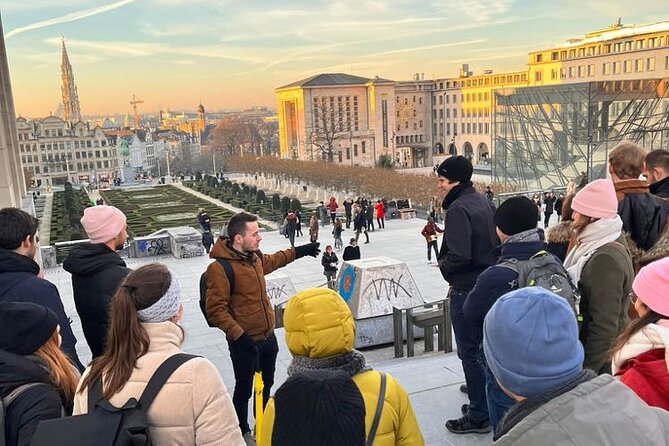
At around 10 minutes, Parc de Bruxelles (Warandepark) is your reset button. You go from stone and shops to open space. Even if you don’t linger, a park stop breaks the walking rhythm so the rest of the tour feels easier.
I like this stop because it helps you understand the city layout. Brussels isn’t only dense streets. There are also planned spaces and sightlines that show how the city breathes.
If the weather is good, this is the part of the tour where you’ll feel the most comfortable just slowing down for a moment. If the weather isn’t great, it still helps to have a quick place to regroup before the finish.
Royal Palace and the uphill ending near Mont des Arts
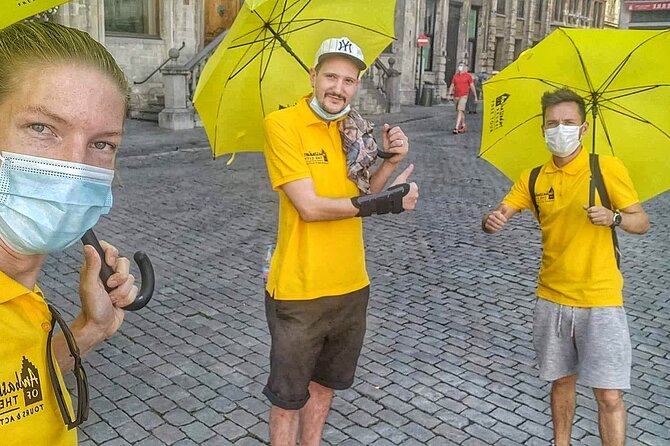
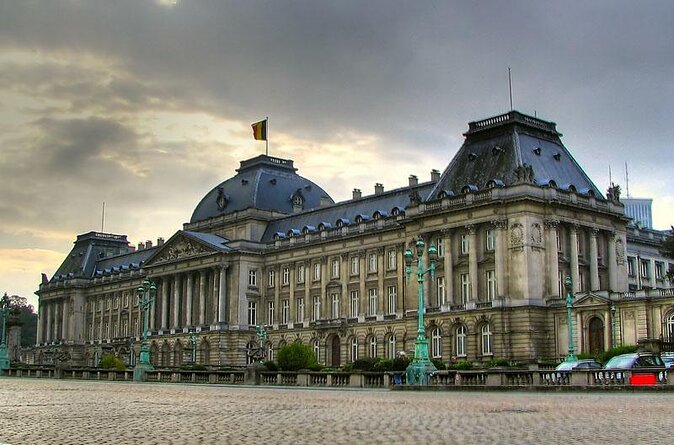
Finally, you reach the Royal Palace (Palais Royal) for about 20 minutes. This is the big visual closer, and it’s where your guide’s story links together. It’s not just a building stop—it’s the culmination of the city’s power and identity themes you’ve been building since the start.
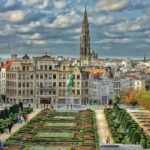
Then comes the finish point near Mont des Arts 24. Several people note the route can feel like it trends uphill toward the end. That means you should plan your shoes accordingly and pace yourself earlier in the walk.
This ending matters because Mont des Arts is in a smart location for continuing your day. If you want more viewpoints, more wandering, or a quick bite afterward, you’re placed well to do it.
Price and tipping: why the real value is in what your guide gives you
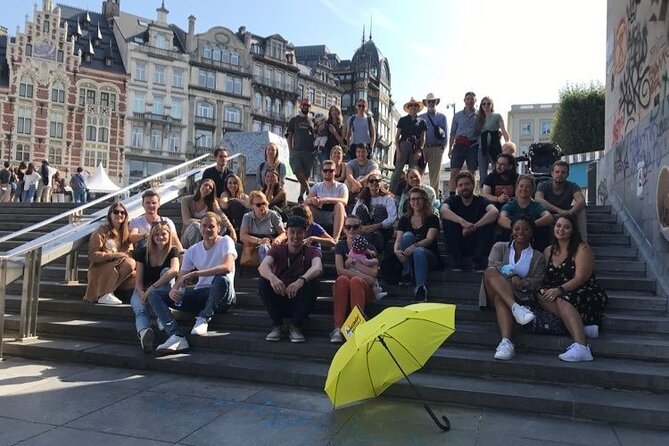
The booking price is $3.62 per person, which is low enough that you should think of it as the ticket to join the walk—not the full cost of the tour experience. This tour is also described as pay-what-you-want beyond the booking fee.
Here’s how I’d frame the value:
- If you’re the type who enjoys asking questions and getting local guidance, you’ll get more value than you pay.
- If you don’t care about food and beer tips and just want photos, the low price still helps, but you may feel the “pay-what-you-want” model expects you to engage.
Guides on this route are commonly praised for sharing recommendations for local eats and snacks. Names like Tom, Tristan, and Conor show up in the feedback alongside suggestions such as where to find top fritters or waffles. Even if you don’t follow every tip, you’ll likely leave with a short list of places to try that are closer to how locals actually spend their time.
Group size and tour style: capped numbers, a human pace
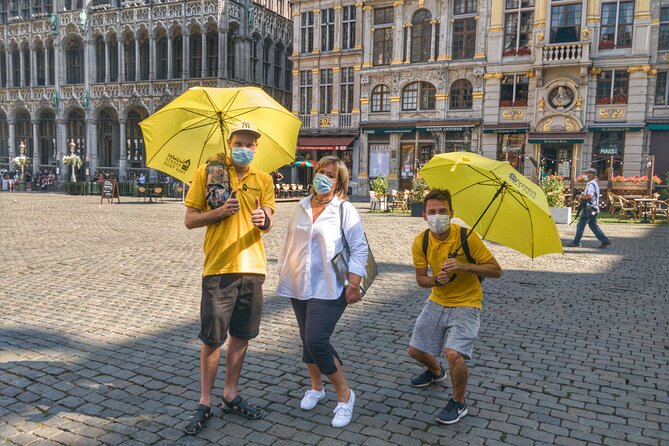
Group size is handled carefully here. The tour notes a cap of 20 travelers, and there’s also a limit that makes larger booking groups hard to handle (so the mix stays balanced). Overall, the experience also lists a maximum of 40 travelers.
In plain terms: you’re unlikely to feel like you’re being herded through Brussels. That matters in a walking tour because small moments—like hearing a story well, or being able to ask about something you notice—depend on keeping the group manageable.
The best part is the pace. Reviews repeatedly describe the walking time as flowing well and not dragging. Some people also mention the guide can customize the experience. So if you’re excited about a certain stop—like the cathedral or the Royal Palace—you can steer the conversation.
Who this tour suits best (and who should consider another plan)
This is a great fit for:
- First-timers who want a city map in their head after one outing
- People who like history explained simply, with humor
- Anyone who wants practical suggestions for what to eat or drink next
It may be less ideal if:
- You dislike walking or struggle with hills. The tour is listed as moderate physical fitness, and the end can feel uphill.
- You want super-deep time at only one site. The tour is designed to cover multiple highlights in a short window.
If you’re unsure, a sensible approach is to treat the early part as your “must,” then decide on the spot how you’re doing for the last segment toward the finish.
Practical tips so you enjoy every stop
A few things make this type of tour feel much better:
- Wear comfortable shoes. This is a walking loop through central Brussels, and the finish trends uphill.
- Bring your questions. If something catches your eye—symbols on buildings, details in the gallery, what makes the beer stop famous—ask. The guide’s best answers tend to come when you steer the conversation.
- Plan to keep using the map you build. After the tour, you’ll likely want to return to a place you liked most—maybe the cathedral area, maybe the Royal Palace viewpoint zone, maybe just to roam the covered shopping gallery area again.
- Be ready for short stops. Each location is brief by design. If you want to linger at one, do it after the tour with what your guide gives you.
Should you book this Brussels first-day walking tour?
I’d book it if you want a smart, low-cost start that gets you oriented fast and helps you enjoy the rest of your days more. The combination of major sights on foot, free-entry stops, and guides who mix story, humor, and real local recommendations makes it a strong first-day play.
Skip it—or choose a different style—if you know you won’t handle walking well, especially toward an uphill finish. Otherwise, this is exactly the kind of short tour that turns a first day from wandering into exploring with purpose.
FAQ
How long is the Brussels first-day must-do tour?
It runs about 2 hours 30 minutes.
Where does the tour start and where does it end?
It starts at Grand Place/Grote Markt, 1000 Brussel and ends at Mont des Arts 24, 1000 Bruxelles.
What language is the tour offered in?
The tour is offered in English with an English-speaking guide.
How much does it cost, and is tipping expected?
The listed price is $3.62 per person, and the experience is described as pay-what-you-want beyond the booking fee.
How big are the groups?
Groups are capped at 20 travelers, and the experience also lists a maximum of 40 travelers. There’s also a limit on how many people can book together to keep the mix balanced.
Do I need to pay for entry tickets at the stops?
Each stop is marked with admission ticket free, so you should not be paying entry fees for those specific stops during the tour.
Is the tour suitable for people with mobility concerns?
It requires moderate physical fitness and is a walking tour. The last part can feel uphill, so comfortable walking shoes and a realistic pace help.
What happens if the weather is bad or the minimum isn’t met?
The experience requires good weather. If it’s canceled due to poor weather, you’ll be offered a different date or a full refund. It can also be canceled if a minimum number of travelers isn’t met, with an option to reschedule or get a full refund.
Can I bring a service animal?
Yes, service animals are allowed.