
Reviewed · ATOMIUM & MINI-EUROPE
Antwerp and Ghent Day Trip from Brussels With Atomium Photo Stop
Two medieval cities, one coach day.
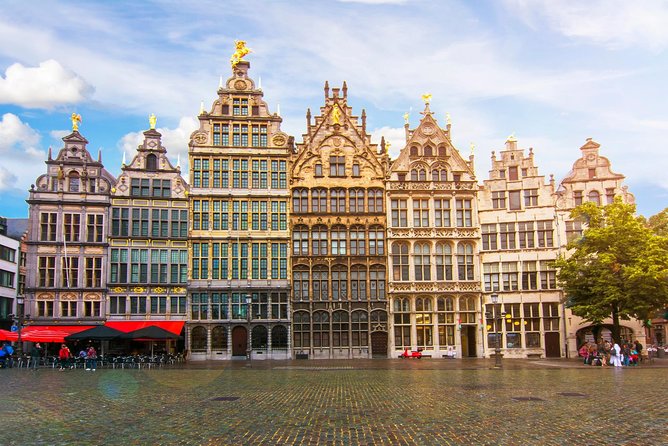
This Antwerp and Ghent trip takes the stress out of planning: you get an Atomium photo stop on the way out, then guided walking that turns big-name sights into clear stories. I also like the guided pace plus time on your own—about 1.5 hours in each city—so you’re not trapped in a schedule the whole day.
The trade-off is the calendar: it’s a 10-hour day with plenty of walking and lots of quick transitions. If you want a slow stroll, long sit-down meals, or minimal crowds, this can feel a bit tight.
In This Review
- Key highlights you’ll feel right away
- From Brussels to Antwerp and Ghent: how this “10-hour hit” makes sense
- Meet at Carrefour de l’Europe and snag the Atomium photo
- Antwerp walking tour: Steen Castle, guild drama, Rubens art, and Meir’s giant hand
- Steenplein orientation: get your bearings fast
- Het Steen (Steen Castle): the river fortress story
- Vleeshuisstraat: meat houses and how commerce worked
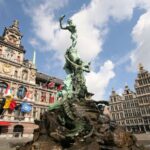
- Grote Markt: town hall, guild houses, and Brabo legend
- Carolus Borromeus Church: Rubens paintings in context
- Cathedral of Our Lady + Groenplaats: more styles, more emotion
- Meir avenue: the shopping street with a story
- Antwerp free time: about 1.5 hours to do your own priorities
- Ghent guided tour: Stadhuis, Belfort dragon, and the Mystic Lamb
- Stadhuis (Ghent Town Hall): architectural styles you can actually spot
- Het Belfort (Belfry of Ghent): the dragon story
- St. Bavo’s Cathedral: outside + inside, including The Mystic Lamb
- St. Nicholas church: a reminder that Belgian churches host events
- Guild houses and old civic corners: Masons’ Guild Hall and Korenmarkt
- St. Michael’s Bridge: a photo stop with a tower story
- Graslei and Korenlei: Lys riverbank classics
- OOOST (Great Butchers’ Hall): 15th-century covered market roots
- Kleine Vismarkt: cuberdon candy moment
- St. Veerleplein and the handoff back to the coach
- Free time in Ghent: use the clock without turning it into a sprint
- Pacing, walking, and group size: what to expect on your feet
- Price and value for $56.72: what you actually get
- Who should book this Antwerp and Ghent day trip?
- Should you book it?
- FAQ
- What time does the tour start?
- How long is the day trip?
- Is food included?
- Is the Atomium stop included?
- How much guided time vs free time do you get?
- Are tickets and guide services included?
- What should I do if the weather is bad?
Key highlights you’ll feel right away
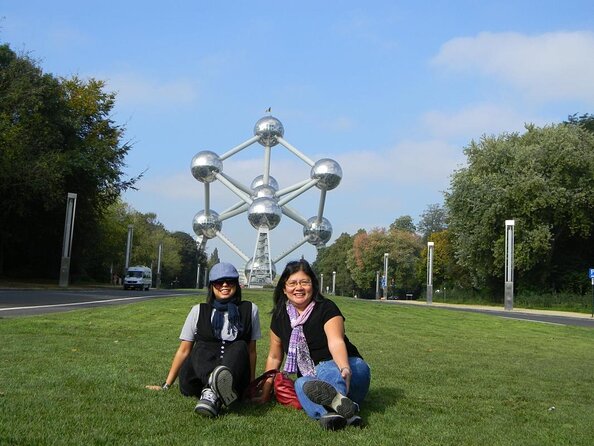
- Atomium photo stop built into the morning route (15 minutes is quick but fun)
- Antwerp’s art + architecture focus, including Rubens works and the Grote Markt legends
- Ghent’s must-sees in one sweep, from Stadhuis and Belfort to St. Bavo’s Cathedral
- Photo-friendly river stops along the Lys: Graslei and Korenlei plus St. Michael’s Bridge
- A comfortable, A/C coach from central Brussels, with a maximum of 45 people
From Brussels to Antwerp and Ghent: how this “10-hour hit” makes sense
If you only have one day and you still want the real Belgium feel, this day trip is a practical answer. Brussels is your base, and the coach handles the long stretches so you’re not juggling trains, transfers, and timing.
I like that the day has a clear structure. You start with a quick Brussels icon (the Atomium), then do guided walking in Antwerp and Ghent, then you get free time in each city to eat, wander, and do your own thing.
Just keep your expectations matched to the format. You’ll see a lot, but you won’t linger the way you could if you slept overnight in either city.
Up the Atomium and around Mini-Europe, more tickets
- Brussels: Atomium Entry Ticket with Design Museum Ticket
★ 4.4 · 9,254 reviews - Antwerp and Ghent Day Trip from Brussels With Atomium Photo Stop
★ 4.5 · 210 reviews - From Brussels: Day Trip to Ghent with Atomium
★ 4.7 · 163 reviews
Meet at Carrefour de l’Europe and snag the Atomium photo
The day starts early—8:30 am—at Carrefour de l’Europe (1000 Brussels). You’ll board near public transport, and you get a mobile ticket, which is one less thing to manage in the morning.
The first stop is the Atomium, the symbol of Brussels and Belgium. You have about 15 minutes, and the whole point is to get photos without turning this into a detour day. It’s a great warm-up shot before you dive into the older, medieval vibe of Antwerp and Ghent.
Practical tip: wear comfy shoes. You’ll be on and off the coach all day, and that Atomium stop is short—no time for costume changes or slow detours.
Antwerp walking tour: Steen Castle, guild drama, Rubens art, and Meir’s giant hand
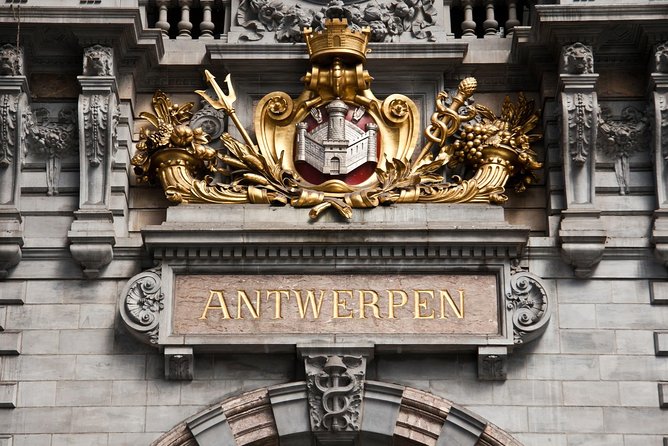
Antwerp starts with a quick bus transfer and then a walk into the center area. You’ll go from the drop-off zone toward the river sidewalks, where you’ll get a short orientation so the city makes sense before the tour starts in earnest.
Steenplein orientation: get your bearings fast
At Steenplein, you’ll get a brief city introduction with the skyline and river in the background. There’s also a practical moment here for a bathroom break and to confirm where you’ll meet later for the return to Brussels.
Why it matters: Antwerp can look different block to block. This little setup helps you recognize what you’re seeing as you move.
Ghent next, more days out from Brussels
Het Steen (Steen Castle): the river fortress story
Next up is Het Steen, the castle area tied to Antwerp’s river life. You’ll hear why the region’s roof shapes—seen across the Low Countries—have a particular style. It’s one of those “small detail, big meaning” stops that makes the old buildings feel less random.
Also, you get a sense of how power and trade played out along the water, not just in the grand squares.
Vleeshuisstraat: meat houses and how commerce worked
At Vleeshuisstraat, the guide connects architecture to everyday business. You’ll pass by the meat house building and get the bigger picture of how commerce shaped the city’s organization.
This part is useful if you like history that explains how people actually lived, traded, and built the city around their work.
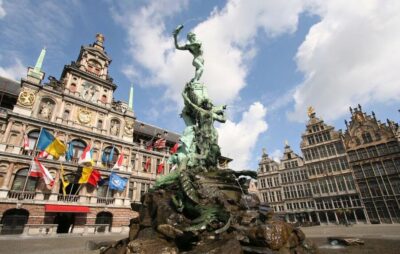
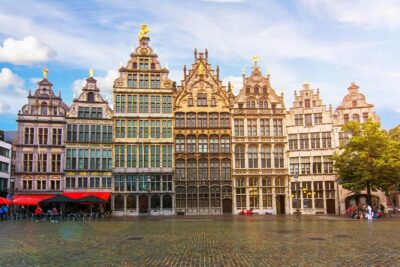
Grote Markt: town hall, guild houses, and Brabo legend
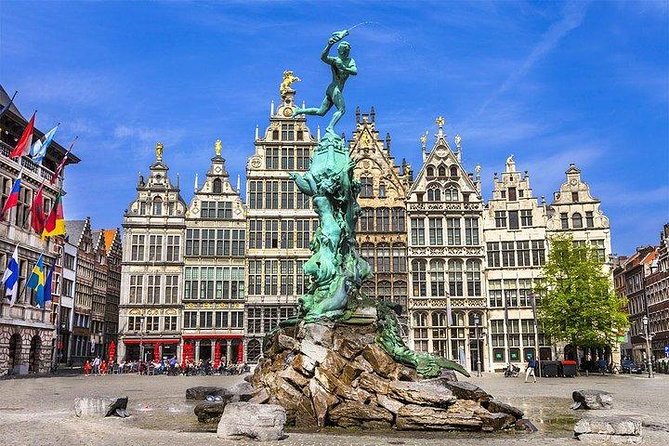
At Grote Markt, the tour focuses on the town hall, guild houses, and the legend around the Standbeeld van Brabo. This is Antwerp in postcard form, but with enough context that it feels more than just pretty buildings.
If your timing is tight, this is one of the stops I’d prioritize because it gives you both architecture and story.
Carolus Borromeus Church: Rubens paintings in context
You’ll visit Carolus Borromeus Church, which connects back to the old Saint Ignatius of Loyola church. The highlight here is walking into a church space where you can appreciate a Rubens painting in its proper setting.
Even if you’re not a hardcore art person, church interiors in Antwerp help you understand why Rubens was more than just a famous name—art was part of the religious and civic world.
Cathedral of Our Lady + Groenplaats: more styles, more emotion
The route continues toward Cathedral of Our Lady, and along the way you’ll hear how Belgian politics works—an interesting switch from art and architecture to the systems shaping daily life.
Inside and around the cathedral, you’ll learn about the architectural styles that shaped it and you’ll also see Rubens works kept there. In front, you’ll spot a sculpture with emotional historical context—one of those “stop and look twice” moments.
Then you head to Groenplaats, where the old cathedral cemetery became today’s green square. It’s a neat example of how cities reuse space instead of starting over.
Meir avenue: the shopping street with a story
Finally in Antwerp you reach Meir, the city’s famous shopping street. In the middle, you’ll notice the giant hand sculpture, and you’ll hear why Antwerp is linked to this symbol.
This is also a good time to buy something small or plan where you’ll wander during free time, since Meir sits right in the action.
Antwerp free time: about 1.5 hours to do your own priorities
You get roughly 1.5 hours in Antwerp. How you use it depends on your style:
- If you want photos, return to the river area or linger near Grote Markt/Groenplaats.
- If you want food, you’ll need to choose quickly because 1.5 hours can vanish fast in a busy center.
- If you love art, you might try to fit in nearby sites you’ve heard of—but nothing extra is guaranteed by the tour itself.
If you’re the type who likes to “look first, decide later,” give yourself permission to move slowly for 20–30 minutes. The rest you’ll catch up during Ghent.
Ghent guided tour: Stadhuis, Belfort dragon, and the Mystic Lamb
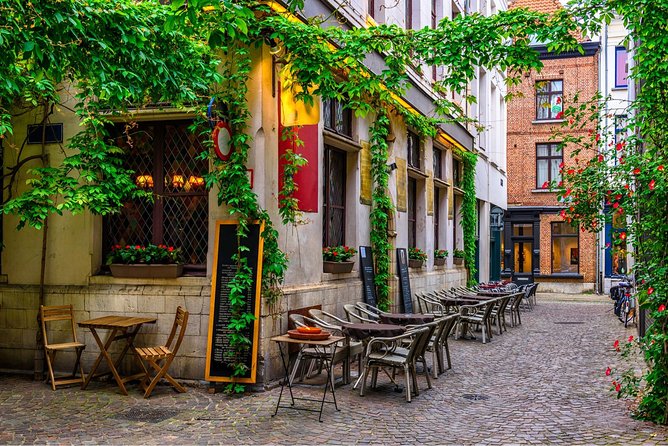
After Antwerp, the coach continues to Ghent, one of Europe’s best-preserved medieval cities. Once you arrive, you start walking toward the center where the guided portion begins.
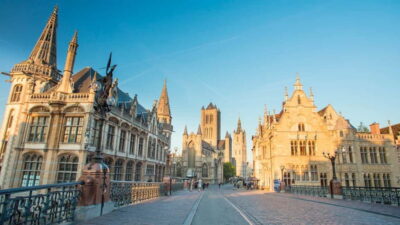
Ghent’s charm is the kind you feel immediately: tight streets, grand civic buildings, and a riverfront that gives you perfect photo angles without needing a car.
Stadhuis (Ghent Town Hall): architectural styles you can actually spot
At Ghent Town Hall (Stadhuis), you’ll learn about the different architectural styles of the building. The big win here is that the guide doesn’t just list names—you learn what to look for so the building becomes readable.
Het Belfort (Belfry of Ghent): the dragon story
At Het Belfort, the guide explains the tower and the history surrounding its dragon. It’s short but memorable, and it connects Ghent’s civic pride to a very specific symbol.
St. Bavo’s Cathedral: outside + inside, including The Mystic Lamb
Next is St. Bavo’s Cathedral, where you see both the outside and inside. The big art connection is that the cathedral is where the most famous painting in the Van Eyck brothers’ story is kept: The Adoration of the Mystic Lamb.
This is one of the most intense stops of the whole day because you get architecture plus major artwork in a single package. Even if you don’t plan museum-level time, this stop gives you a clear headline of why Ghent matters.
St. Nicholas church: a reminder that Belgian churches host events
You’ll pause at St. Nicholas Church and you’ll hear that Belgian churches can host concerts and other events. It’s a useful fact for planning future trips, because it reframes churches from static buildings to active cultural spaces.
Guild houses and old civic corners: Masons’ Guild Hall and Korenmarkt
At Masons’ Guild Hall, you’ll see the original facade and hear what makes it distinct. Then you move to Korenmarkt, where the guide notes the building that used to be a post office.
These stops are small in time, but they add up. They help you understand Ghent as a working city, not a theme park.
St. Michael’s Bridge: a photo stop with a tower story
At St. Michael’s Bridge, you can get great photos and you’ll also hear the story of the tower of Saint Michael’s Church. Bridges in Ghent aren’t just crossings—they’re viewpoints. Use them like you mean it.
Graslei and Korenlei: Lys riverbank classics
You then follow the Lys riverbank toward Graslei and Korenlei, with stops that explain the buildings around the water, including references such as the Masons’ Guild House and the current Marriott Hotel.
This is where Ghent starts to feel like a moving postcard. Even if you’ve got only a few pictures in mind, you’ll end up taking more because the angle changes every few steps.
OOOST (Great Butchers’ Hall): 15th-century covered market roots
At OOOST, you’ll learn that the Great Butchers dates back to the 15th century and originally functioned as a covered market.
It’s a reminder that medieval cities ran on real commerce. The building is still there, but the original jobs have evolved.
Kleine Vismarkt: cuberdon candy moment
At Kleine Vismarkt, there’s a short market stall stop tied to Ghent’s famous candy, cuberdon. It’s brief, but it’s one of those cultural food touches that makes the city feel alive.
St. Veerleplein and the handoff back to the coach
You end the guided portion at Sint-Veerleplein Square. Here the guide explains the story of the square and the buildings around it, plus gives tips about souvenir shops and—most importantly—where you’ll meet to catch the bus back to Brussels.
Free time in Ghent: use the clock without turning it into a sprint
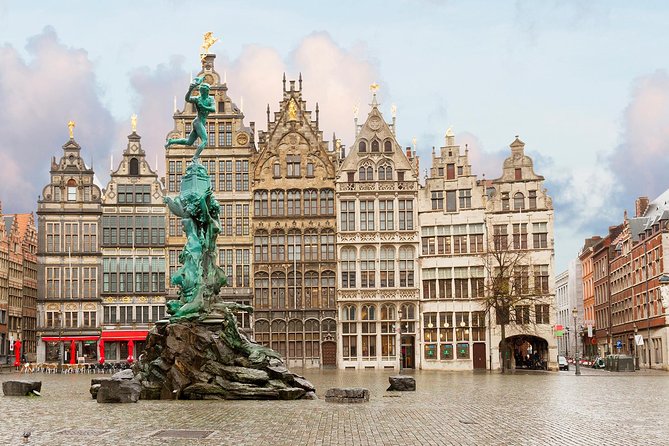
You’ll get another block of free time in Ghent, again about 1.5 hours. Ghent is the kind of place where 10 minutes can turn into 25 if you’re slow-walking and stopping for photos.
If you want a simple plan, I’d do this:
- Spend the first 15–20 minutes near the areas you just walked with the guide (so your memories line up).
- Save your longer wandering for after you’ve found a place you’d actually want to eat or sit.
Ghent can also be a good place to buy small gifts—especially if your guided route already pointed out souvenir shops at St. Veerleplein.
Pacing, walking, and group size: what to expect on your feet
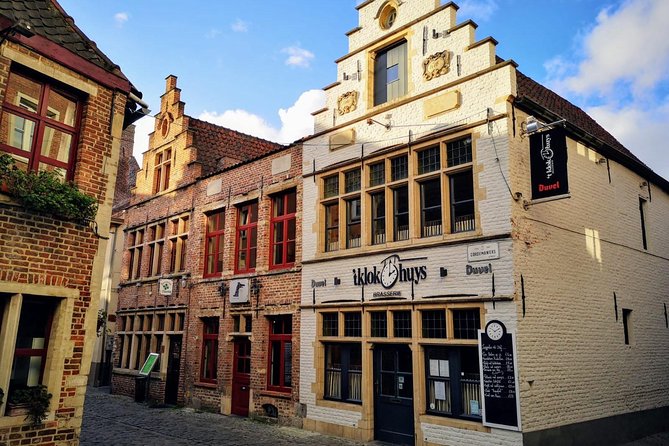
This tour has a max of 45 travelers, and that’s a big deal. It’s not “private tour small,” but it’s also not a huge crowd where you feel invisible.
Still, the day is packed. You’re looking at a full morning start, coach time, short guided stops, and two separate walking circuits. The guided walking in each city is fairly concentrated, and there’s limited slack if you need to stop more often for the bathroom.
One thing I’d take seriously: audio and language clarity. The tour is offered in English, but some groups can have mixed languages in the same coach. If you’re hard of hearing or your attention slips when multiple guides speak at once, you’ll want to position yourself close to your guide and watch for clear direction.
If you’re traveling with someone who’s older or slower-paced, plan extra time buffers. Some feedback suggests that communication can be tough without an audio system, especially for people who have trouble hearing from the back.
And yes—wear layers. The tour runs in all weather conditions, but you should still dress for rain and wind because Belgium traffic and walking are not built for comfort.
Price and value for $56.72: what you actually get
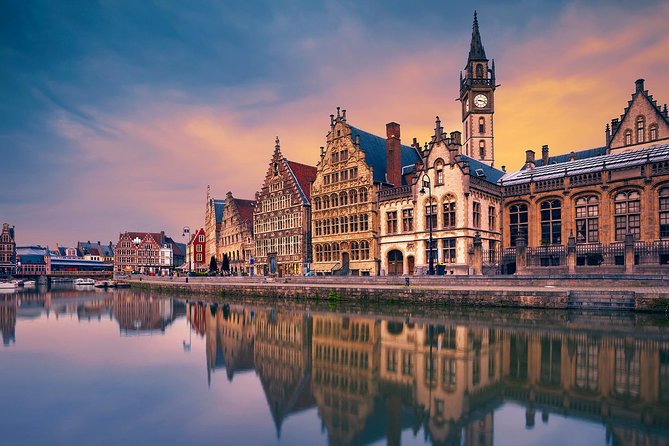
At $56.72 per person, you’re paying for the core advantages of a day trip: transport, guidance, and a route that covers two major cities without you thinking about logistics.
Here’s the value breakdown that matters:
- Round-trip coach with A/C from central Brussels
- Professional English-speaking guide
- Guided walking time in Antwerp and Ghent
- A structured set of stops with admission listed as free for the included photo/visits
What’s not included is also important: food and drinks. So your real cost is the ticket plus whatever you spend eating, snacking, and buying in each city.
If you’re short on time and want the “highlights with context” approach, this price often feels fair. If you’d rather spend a whole day in one city and go slow, you may find this one too compressed.
Who should book this Antwerp and Ghent day trip?
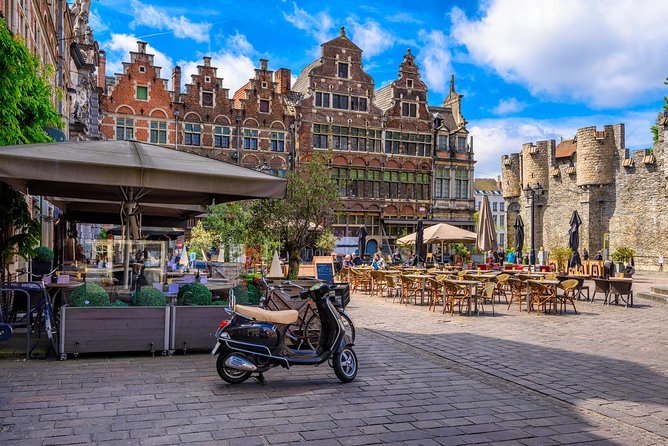
This is a strong fit if you:
- Want an easy way to see two big historic cities in one day
- Like architecture, civic landmarks, and art with explanations
- Prefer guided walking but still want time on your own to roam and eat
- Would rather ride in a comfortable coach than plan two separate day trips
I’d think twice if you:
- Need lots of unplanned downtime
- Get worn out by long days and quick transitions
- Have trouble hearing guides in group settings (because audio quality may vary)
Should you book it?
I think this tour is worth booking if you want a guided, structured day that still leaves room to breathe in both Antwerp and Ghent. The Atomium photo stop is a nice reset button, and the guided route hits big, specific anchors—Rubens in Antwerp and the Mystic Lamb at St. Bavo’s in Ghent—so you’re not just walking past pretty streets.
Just go in with realistic timing. Bring comfortable shoes, plan your meals early during free time, and keep your phone ready for meeting points.
FAQ
What time does the tour start?
The tour starts at 8:30 am and meets at Carrefour de l’Europe, 1000 Bruxelles.
How long is the day trip?
The total duration is about 10 hours.
Is food included?
No. Food and drinks aren’t included, but your guide can point you to good places to eat.
Is the Atomium stop included?
Yes. There is a brief Atomium photo stop with the admission listed as free, lasting about 15 minutes.
How much guided time vs free time do you get?
You get guided walking in both cities plus about 1.5 hours of free time in Antwerp and about 1.5 hours of free time in Ghent, depending on traffic and the group pace.
Are tickets and guide services included?
Yes. The tour includes a professional English-speaking guide, and round-trip transit by A/C coach. Admission is listed as free for the included stops.
What should I do if the weather is bad?
The tour operates in all weather conditions, but if the experience is canceled due to poor weather, you’ll be offered a different date or a full refund. Dress appropriately for the conditions.
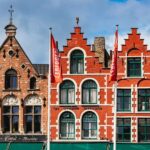
North to Antwerp

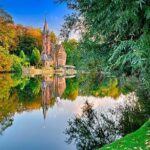
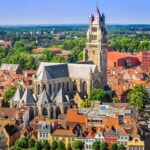
A Day in Ghent


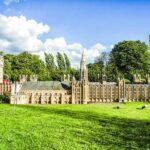
The Atomium and Mini-Europe



Hot Off the Press: New Brussels Reviews


Atomium & Mini-Europe, compared.
 ★ 4.4Atomium Entry Ticket with Design Museum TicketFrom $199,254 reviews
 ★ 4.5Entry Ticket to Mini-EuropeFrom $232,870 reviews
 ★ 4.7From Brussels: Day Trip to Ghent with AtomiumFrom $49163 reviews
 ★ 4.248 Museums, Atomium, and Discounts CardFrom $60102 reviews
 ★ 4.4From Brussels: Day Trip to Ghent with Atomium in EnglishFrom $4973 reviews
 ★ 4.5Day trip to Ghent and Atomium from BrusselsFrom $5164 reviews
 ★ 4.5Ghent and Atomium Tour from BrusselsFrom $5120 reviews
 ★ 4.5Excursion to Antwerp and Ghent by bus from Brussels with stop at the AtomiumFrom $5518 reviews
Browse the lists this tour appears in