
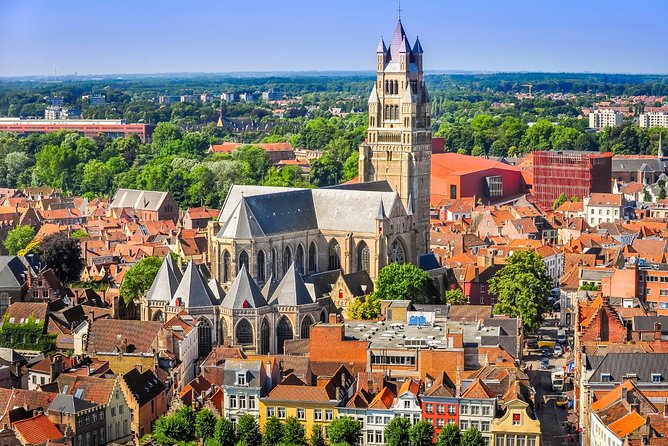
Reviewed · BRUGES DAY TRIPS FROM BRUSSELS
Excursion to Bruges and Ghent by bus from Brussels
Bruges and Ghent in one day is a smart move. I like the Spanish-speaking guide who ties sights together, and I also like the built-in independent free time so you can wander without feeling herded. The main trade-off is the day runs long and you will walk a fair amount, especially in Bruges’ tight medieval lanes.
If you’re the type who likes canals, towers, and stories you can actually use while you’re standing in front of the buildings, this outing works. I’d just go in knowing it is a bus day with lots of short stops, limited bathroom time early on, and occasional headphone/radio use in Bruges.
In This Review
- Quick hits before you decide
- Why Bruges and Ghent together makes sense from Brussels
- Price, timing, and what 10.5 hours on a coach really means
- Meeting at Carrefour de l’Europe and getting comfortable fast
- Bruges canal lanes: Minnewater, Begijnhof, and the “Lake of Love” start
- Bruges architecture cues: Stoofstraat, beer legends, and that tiny medieval-house lesson
- Saint John’s Hospital, Michelangelo inside, and the Gruuthuse family spotlight
- Burg Square and Rozenhoedkaai: where Bruges really clicks
- Choco time and the tanners’ clue: how the Bruges tour builds a full picture
- The long walk-to-bus transition and Ghent travel time
- Ghent first impressions: Stadhuis, the Belfort dragon, and St Bavo’s Cathedral
- Guild halls, bridges, and Lys riverfront views you can actually use
- OOOOST meat house, cuberdon candy, and St Veerleplein for your return
- Guides, radio headsets, and the Spanish-speaking storytelling that makes it work
- Free time strategy: how to spend about 1.5 hours in each city
- Who should book this Bruges and Ghent bus tour (and who shouldn’t)
- Should you book this Brussels to Bruges and Ghent day trip?
- FAQ
- What time does the tour start, and where do I meet?
- How long is the excursion?
- Is there a Spanish-speaking guide?
- Will I get time to explore on my own?
- Do I need headphones or radios?
- Is food included?
- What about children under 2?
Quick hits before you decide
- Spanish guide style: clear explanations of architecture, legends, and everyday medieval life
- UNESCO Bruges photo routes: Dijver canal vibes, Rozenhoedkaai, and the “Lake of Love”
- Ghent big-hitters: St Bavo’s Cathedral, the Belfort dragon, and the Lys riverfront viewpoints
- Free time you can plan: about 1.5 hours in each city to choose your own pace
- Tour pace is group-based: short stops add up, so bring comfy shoes and a bit of patience
Why Bruges and Ghent together makes sense from Brussels
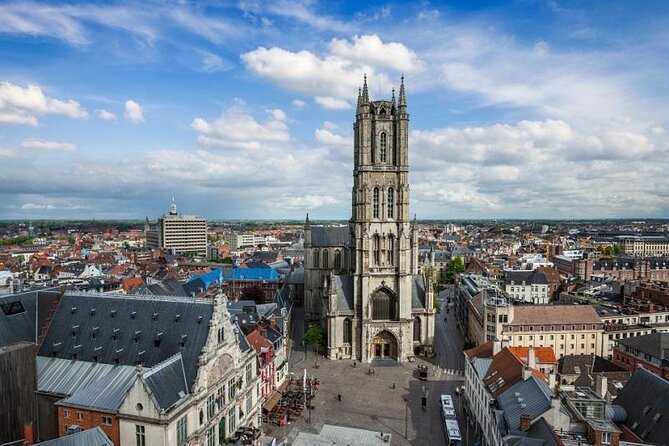
Bruges and Ghent feel like two sides of medieval Belgium. Bruges leans into fairy-tale scenery: canals, stepped gables, and those postcard bridges where everyone ends up. Ghent is more layered and grown-up in feel, with monumental churches, guild buildings, and riverfront streets that still work as real city space.
Doing both by one round-trip coach is the practical part. You save yourself on logistics and you get guided context for each place. You also get time to split: a guided walk for the must-sees, then breathing room to follow your curiosity.
On to Bruges, more day trips from Brussels
- From Brussels: Guided Day Trip to Bruges and Ghent
★ 4.6 · 8,353 reviews - From Brussels: Bruges & Ghent Day Tour – 2 Fairytale Cities
★ 4.7 · 8,242 reviews - Bruges and Ghent – Belgium’s Fairytale Cities – from Brussels
★ 4.0 · 4,809 reviews
Price, timing, and what 10.5 hours on a coach really means
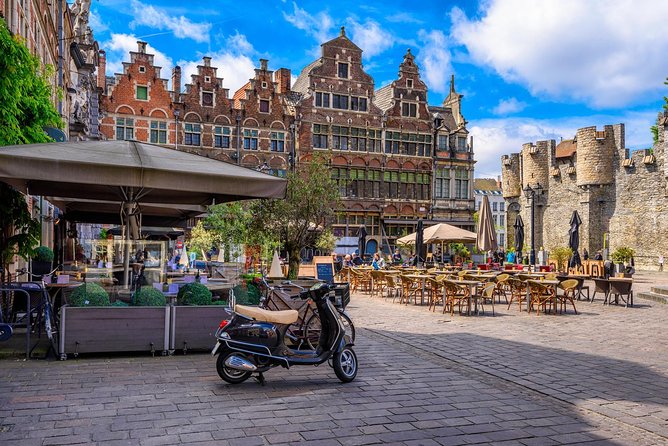
At $54.45 per person, you’re paying for a full-day structure: round-trip air-conditioned transport plus guided time in both cities, with free time built in. That value usually holds up best if you want two cities but don’t want to manage trains, schedules, and translations on your own.
The timing is about 10 hours 30 minutes total. The day is not just “watch from the bus.” You’ll do repeated short walking segments and stand-still photo moments. Some of the stops are only a few minutes long, which is great for coverage, but it also means you’ll want your footwear dialed in.
One more reality check: the tour can feel long and tiring because Bruges in particular encourages slow strolling, but your schedule is fixed by the coach departure times. Plan your energy like it’s a mini-journey, not a lazy day.
Meeting at Carrefour de l’Europe and getting comfortable fast
The meeting point is Carrefour de l’Europe, 1000 Brussels with a start time of 8:30 am. You’ll return to the same place at the end of the day, so you’re not dealing with a different drop-off zone.
You’ll board an air-conditioned coach for the round trip. The size is capped at 45 travelers, which helps keep things manageable when you’re moving through city crowds. You’ll also have a mobile ticket, so you don’t have to hunt for paper.
If you’re traveling with kids: children under 2 must ride with a safety seat. Make sure you bring the chair, since it isn’t something you’ll be able to improvise last-minute.
Bruges canal lanes: Minnewater, Begijnhof, and the “Lake of Love” start
Your Bruges day begins with a bus drop-off near Bargeplein (Katelijnparking). You get a brief bathroom window (about 10 minutes) before the walking starts. This early slot is your best chance to handle any basics before the city rhythm takes over.
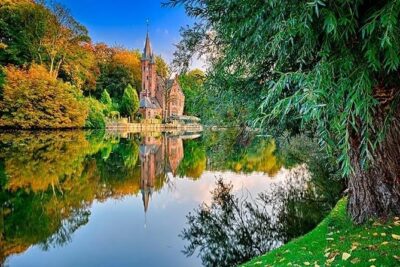
Then you head to Minnewater Lake, also known as the Lake of Love. It’s a simple stop with a strong payoff: calm water views and a setting that makes the guide’s Bruges background stories easy to absorb. If you like photography, this is an early moment to get your framing right before the crowds thicken.
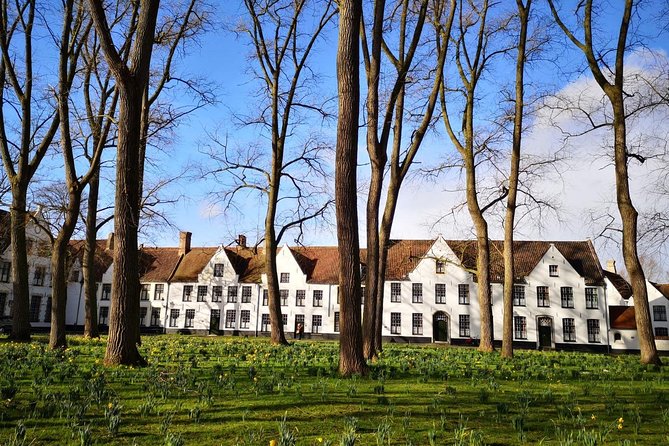
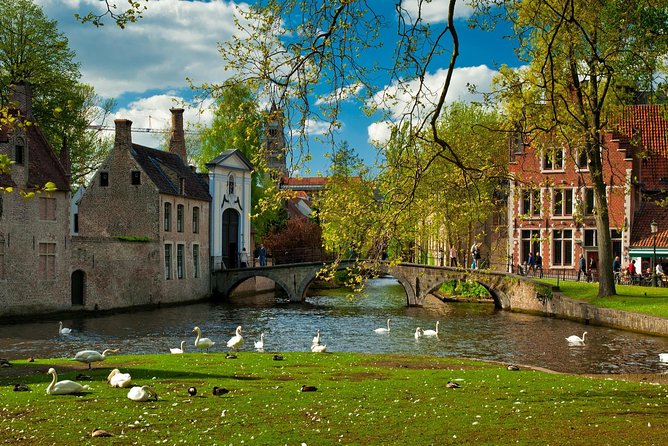
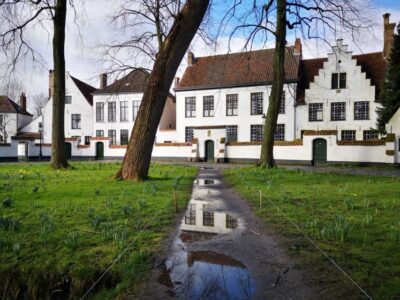
Next comes the Begijnhof, founded in 1245. Even if you only see it briefly, the Begijnhof is one of those places where you quickly understand why this city gets photographed endlessly. You’re stepping into a preserved part of social history, where the guide can connect the site to how ordinary people lived.
Ghent next, more days out from Brussels
Bruges architecture cues: Stoofstraat, beer legends, and that tiny medieval-house lesson
From there, the stops become like a mini field guide.
- Stoofstraat is your quick tutorial in how to spot medieval house clues. The guide will help you identify what you’re looking at rather than just looking.
- Walplein focuses on Bruges beer history. It’s short, but it changes how you see the city’s culture when you later pass bars and tasting rooms.
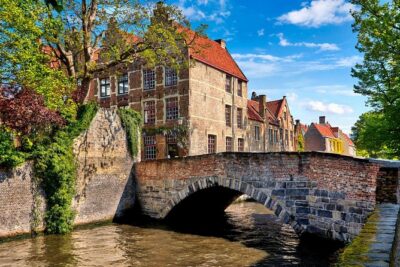
- St Bonifacius Bridge adds legend to the scenery, and it’s also a good photo moment. Bruges is built for pictures, but this is one of the spots where the story makes your photos feel more intentional.
Bigger tip: Bruges is all small distances between landmarks, but the city rewards attention. These mini lessons help you notice details you’d otherwise miss in a quick “grab photos and go” visit.
Saint John’s Hospital, Michelangelo inside, and the Gruuthuse family spotlight
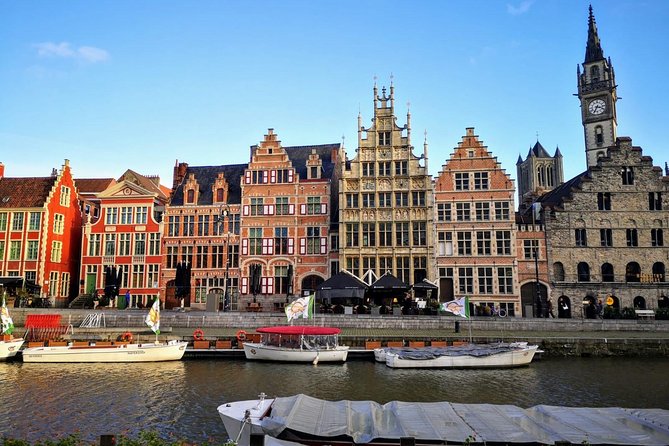
You’ll stop at Saint John’s Hospital, where the guide explains how the medieval health system worked. This is not a museum-style stop with a long ticket line built into the schedule; it’s more about context from the outside and nearby views, which is often the best way to make the building meaningful.
After that, you’ll see Onze-Lieve-Vrouwekerk (Church of Our Lady). From the outside, the guide shares an important inside detail: a white marble Virgin and Child created by Michelangelo is found inside. You may not have time for a full interior viewing, but knowing what sits within changes your perspective even from the doorway area.
Then you meet the Gruuthusemuseum frontage area. The guide connects it to the powerful family in Bruges during the 17th and 18th centuries. Again, the stop is short, but it helps you understand why certain structures loom large in this town.
Burg Square and Rozenhoedkaai: where Bruges really clicks
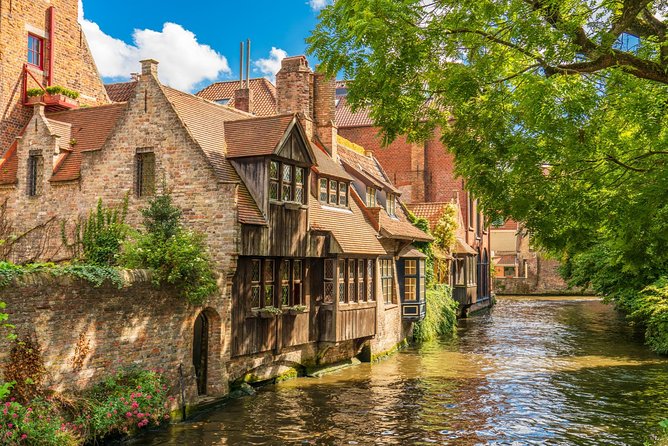
Two of the most “you’re really here” moments show up in the middle of the Bruges walk.
At Burg Square, you’re positioned for some of Bruges’ defining civic and religious landmarks: the Gothic town hall area, older courthouse spaces, and the Basilica of the Holy Blood. Even if you don’t go inside, the square’s architecture tells you what mattered to the city.
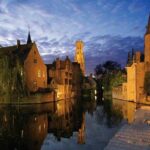
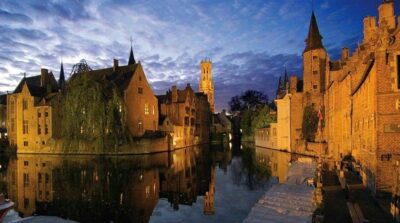
Then comes Rozenhoedkaai, one of the most photographed locations in Bruges. This stop gives you both the explanation and the chance to take photos. If you’ve seen Bruges in postcards, this is likely the angle you recognize. Use it for golden-hour style pictures if weather cooperates, but don’t wait for perfection—these stop times are short by design.
Choco time and the tanners’ clue: how the Bruges tour builds a full picture
Later, you’ll visit Huidenvettersplein (Tanners Square), where the guide explains how tanners worked in medieval Bruges. It’s one of the better “everyday life” contrasts to the romantic canal scenes. Bruges wasn’t just pretty; it was commercial and craft-based.
Then you reach the Markt (Grote Markt), where your Bruges guided segment ends and the guide gives tips for where to eat and what to shop for—especially traditional chocolate. You’ll also get the reminder on when and where to catch the bus to Ghent.
After Grote Markt, you get the Chocolalino stop, where you can taste artisan chocolates and learn a practical way to tell handmade from industrial chocolate. If you love food souvenirs, this is one of the few structured moments where the tour directly helps you buy better, not just buy more.
The long walk-to-bus transition and Ghent travel time
Once your Bruges free time starts, you’ll have roughly 1.5 hours (sometimes adjusted by traffic and group pace). Then you reunite at Bargeplein and transfer to Ghent.
This bus segment matters. You’re trading postcard-time for time-on-wheels, so use it to reset. A short snack can help too, because food is not included.
Ghent first impressions: Stadhuis, the Belfort dragon, and St Bavo’s Cathedral
Ghent begins with a walk into the center, where your guided tour kicks off.
At Ghent Town Hall (Stadhuis), the guide covers the building’s architectural styles. This is one of those moments where quick facts help you read the building rather than just admire it.
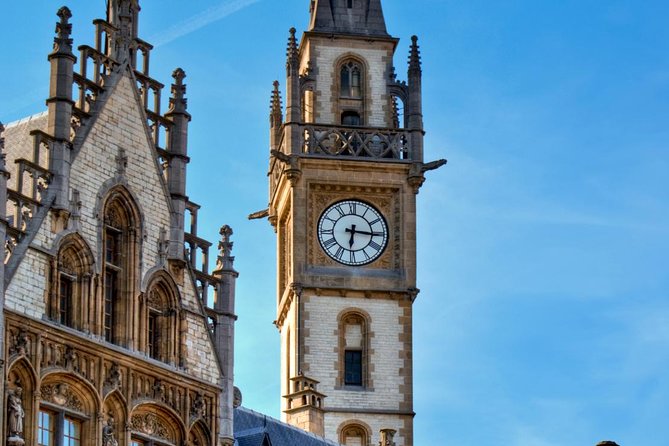
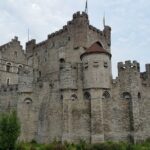
Next is Het Belfort van Gent, the iconic tower tied to the legend of the dragon. If you like medieval symbolism, this stop is fun because it connects the landmark to the story people associate with it.
Then comes St. Bavo’s Cathedral. Here you get exterior and interior discoveries, plus a big cultural note: the cathedral is where the Van Eyck brothers’ famous painting The Adoration of the Mystic Lamb is kept. The guide also points to how important the cathedral is to Ghent’s identity, which makes the stop feel more than a photo break.
Guild halls, bridges, and Lys riverfront views you can actually use
From the cathedral area, the tour keeps moving through key city texture.
- Saint Nicholas Church is a quick stop with a practical angle: Belgian churches organize concerts and events, so this isn’t just architecture you pass; it can be active community space.
- Masons’ Guild Hall helps you understand guild houses and why those facades were distinctive.
- Korenmarkt connects you to the story of a building that once served as the post office.
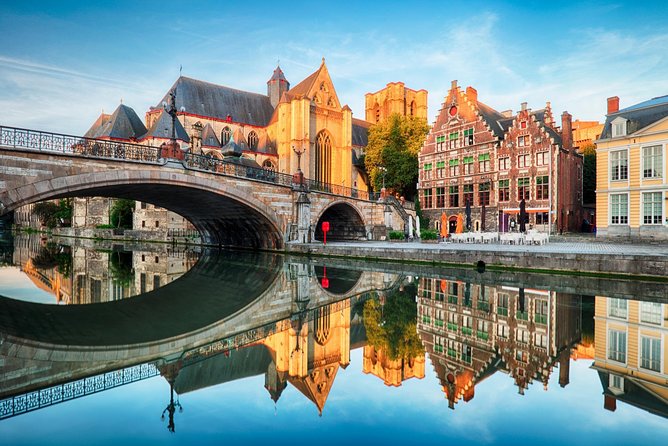
- St Michael’s Bridge is a photo stop and adds background about the tower of the nearby Church of San Miguel.
Then you reach Graslei and Korenlei along the Lys river. You’ll walk the river banks and see buildings around the canal, including the grain house and what’s become a modern landmark area. This is where Ghent’s “less touristy, more real” feeling often wins people over, especially if you like watching a city function.
OOOOST meat house, cuberdon candy, and St Veerleplein for your return
Your Ghent walk continues to OOOOST, described as the meat house dating back to the 15th century, originally a covered market. Even with short stop time, it’s the kind of building that reminds you why medieval towns had specialized trades.
Then there’s a quick street stall moment at Kleine Vismarkt where you learn about cuberdon, Ghent’s famous sweet. The stop is brief, but it’s memorable in a good way—small, local, and directly connected to the city.
You finish your guided segment at St Veerleplein, where you get tips on where to eat and best souvenir shops. The guide also reminds you when and where to be to catch the bus back to Brussels. After that, you get about 1.5 hours of free time in Ghent.
Guides, radio headsets, and the Spanish-speaking storytelling that makes it work
This tour is led by a professional Spanish-speaking guide, and the big difference between a good day trip and a forgettable one is whether the guide keeps you oriented. In feedback, guides are often praised for being attentive, practical, and active—names that show up include Carlos and Lucía, Eduardo, Ana, Paula, Irene, and Guiomara.
One key operational detail you should plan for: Belgian regulations require radio guides on some occasions in Bruges. If you have headphones, you can use wired 3.5 mm and not wireless. If you do not have headphones, you can buy disposable ones for €1.
That’s worth doing right, because it affects comfort. Bring your own wired headphones if you can, and you’ll save time and hassle.
Free time strategy: how to spend about 1.5 hours in each city
You don’t get unlimited wandering time here. You get a slot in Bruges and a slot in Ghent, each around 1.5 hours.
In Bruges, I’d use free time for one of these priorities:
- Return to the canal areas for slower photos
- Pop into chocolate shopping if you skipped during the tasting stop
- Find one quiet corner instead of trying to see everything
In Ghent, free time works best if you:
- Revisit Graslei and Korenlei for river views with fewer guide stops interrupting
- Wander toward the cathedral area if you want more detail
- Do your souvenir shopping around the places the guide recommends
Also, the guided tour gives eating tips along the way, but food is not included. So keep a budget and don’t assume you’ll find a pre-planned lunch slot.
Who should book this Bruges and Ghent bus tour (and who shouldn’t)
This is a strong match if you:
- Want two medieval cities in one day without managing transit
- Like guided context tied to specific buildings (town hall, cathedral, towers)
- Enjoy photo stops but still want practical explanations
You might skip it if:
- You hate long walking days and prefer slow, unstructured travel
- You need lots of indoor time, because several stops are brief and the day is schedule-driven
- You strongly dislike group pacing, since the day includes many short guided segments
Should you book this Brussels to Bruges and Ghent day trip?
I think this is a book-worthy day trip for first-time visitors who want the highlights of Bruges and Ghent without extra planning stress. The price is reasonable for the round-trip coach and the fact that you get guided coverage in both cities plus real free time to reset.
Just go in prepared: wear comfortable shoes, bring wired 3.5 mm headphones if you have them, and treat it as a full-day effort. If you want a gentle, unhurried day with minimal walking, look for a slower option instead.
If you’re game for a structured medieval photo day with a Spanish-speaking guide who keeps you moving and informed, this one is very hard to beat.
FAQ
What time does the tour start, and where do I meet?
The tour starts at 8:30 am at Carrefour de l’Europe, 1000 Bruxelles. The tour ends back at the same meeting point.
How long is the excursion?
It runs for about 10 hours 30 minutes.
Is there a Spanish-speaking guide?
Yes. The tour includes a professional guide in Spanish and guided time in both Bruges and Ghent.
Will I get time to explore on my own?
Yes. You get about 1.5 hours free time in Bruges and about 1.5 hours free time in Ghent (exact timing can depend on traffic and group pace).
Do I need headphones or radios?
Sometimes. Bruges regulations may require radio guides with headphones. If you have headphones, use jack 3.5 mm (not wireless). If you don’t, you can buy disposable ones for €1.
Is food included?
No. Food and drink are not included, but the guide will point you toward good places to eat.
What about children under 2?
Children under 2 years old must ride in a safety seat on the bus, so you’ll need to bring the proper chair.
More Tour Reviews in Brussels


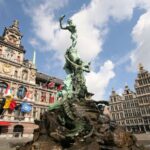
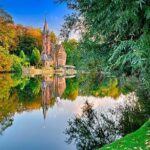
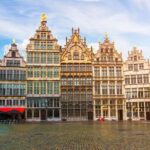
A Day in Ghent
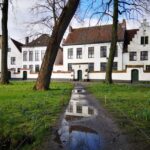
A Day in Bruges
Hot Off the Press: New Brussels Reviews

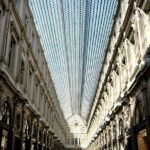
Bruges Day Trips from Brussels, compared.
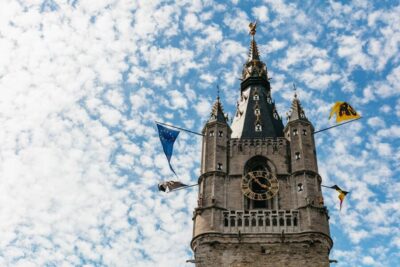 ★ 4.6From Brussels: Guided Day Trip to Bruges and GhentFrom $558,353 reviews
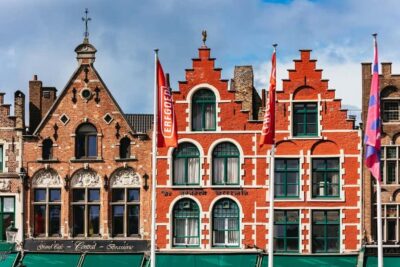 ★ 4.7From Brussels: Bruges & Ghent Day Tour – 2 Fairytale CitiesFrom $578,242 reviews
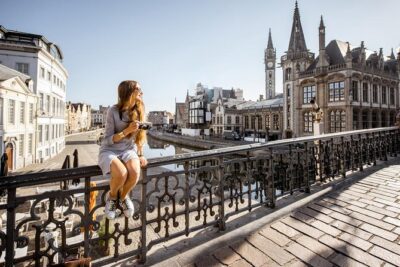 ★ 4.0Bruges and Ghent – Belgium’s Fairytale Cities – from BrusselsFrom $594,809 reviews
 ★ 4.6From Brussels: Bruges Day Trip with Boat Tour Option (ENG)From $501,352 reviews
 ★ 4.7From Brussels: Bruges Day Trip with Boat Tour Option (ES)From $501,171 reviews
 ★ 4.5Bruges and Ghent Day Trip from BrusselsFrom $56784 reviews
 ★ 4.5Bruges Day Trip from BrusselsFrom $51619 reviews
 ★ 4.3From Brussels: Bruges and Ghent Full-Day Trip by TrainFrom $82103 reviews
Browse the lists this tour appears in