
Reviewed · BRUGES DAY TRIPS FROM BRUSSELS
From Brussels: Bruges and Ghent Full-Day Trip by Train
Medieval Flanders in a single packed day. This day trip uses a train round-trip from Brussels plus a live guide to help you see the big-ticket sights in Bruges and Ghent without getting lost, and it’s built around the areas that make both cities so special.
I love the Bruges canal-side stroll through the UNESCO heart, and I really like how the day balances outdoor walking with major interior moments in Ghent, like Saint Bavo Cathedral and the city’s historic port area around Graslei.
The main drawback is simple: it’s a lot of walking in one go, often on uneven surfaces, so comfortable shoes are non-negotiable—and you’ll feel the pace by late morning.
In This Review
- Key Points Before You Go
- From Brussels To Flanders: How This 10-Hour Train Day Really Works
- Bruges: Canal Walk, Beguinage Calm, and De Halve Maan’s City-Center Brewery
- Walking the UNESCO core and the Lake of Love
- Beguinage: the gated community that shaped city life
- De Halve Maan: beer culture you can still smell
- Old St. John’s Hospital and optional Hans Memling
- Our Lady of Bruges: a tower you can’t miss
- VisMarkt, Tanners’ Square, and the Markt/Guildhall zone
- Optional Bruges canal boat: worth the detour if you like views
- Ghent: Saint Bavo Cathedral’s Mix of Styles, Then Port Views at Graslei
- Saint Bavo Cathedral: Gothic drama and Baroque ornamentation
- The Mystic Lamb altarpiece: optional but iconic
- City Hall, Belfort, and Market Hall: medieval civic pride
- Medieval churches near the center
- Graslei: the old port where your photos come from
- Gravensteen and Patershol: When Ghent Turns Storybook
- Great Butchers’ Hall: one of Europe’s oldest meat markets
- Food and Drinks: Moules Frites, Chocolate, and Beer Without the Stress
- The Real Strength Here: A Guide Makes the Difference
- The Main Downside: Tiring Walking and Limited Time Per Stop
- Best Fit: Who Should Book This Bruges and Ghent Day from Brussels?
- Should You Book It? My Straight Answer
- FAQ
- Where do I meet the guide in Brussels?
- Does this tour run every day?
- What’s included in the price?
- Is the Bruges boat trip included?
- What about the Van Eyck altarpiece in Ghent?
- How much time do you get for Bruges on your own?
- Is it refundable if plans change?
Key Points Before You Go
- Train day trip ease: Round-trip transport from Brussels keeps your morning stress low.
- UNESCO canal core in Bruges: You’ll walk where the old city really breathes—along the canals.
- Ghent’s medieval power centers: Saint Bavo Cathedral, the Belfort area, Graslei, and Gravensteen.
- Optional add-ons that cost extra: The Bruges canal boat and the Van Eyck altarpiece aren’t included.
- A guide is the real multiplier: Reviews consistently praise guides (including Louisa/Louise) for keeping things moving and understandable.
- Best for first-timers: Ideal if you want highlights now, then return later for slower museum time.
From Brussels To Flanders: How This 10-Hour Train Day Really Works
This is a 10-hour, guided day designed for people who want serious “wow” in limited time. You’ll meet at the Grand Place in Brussels at 08:30 (look for a guide holding a white umbrella). On Sundays, the departure from Brussels is scheduled for 9:30 AM, and the plan returns to Brussels with a scheduled departure from Bruges at 17:00, arriving back at 18:00.
Why that matters: both Bruges and Ghent are medieval cities with more streets than you can count. A day like this isn’t about seeing everything. It’s about seeing the right things—the areas where the architecture, streetscapes, and river views hit hardest.
One practical detail I appreciate: if the group is small, you may be able to stay longer in Bruges and return later on your own instead of leaving exactly at the set time. That’s a nice safety valve if you want a slower waffle stop or a longer look at photo-worthy corners.
Also, the tour runs with a live guide in English, Spanish, or French, and it’s described as wheelchair accessible. If you’re mobility-limited, though, keep in mind the day includes lots of walking on old-city streets, so plan accordingly.
On to Bruges, more day trips from Brussels
- From Brussels: Guided Day Trip to Bruges and Ghent
★ 4.6 · 8,353 reviews - From Brussels: Bruges & Ghent Day Tour – 2 Fairytale Cities
★ 4.7 · 8,242 reviews - Bruges and Ghent – Belgium’s Fairytale Cities – from Brussels
★ 4.0 · 4,809 reviews
Bruges: Canal Walk, Beguinage Calm, and De Halve Maan’s City-Center Brewery
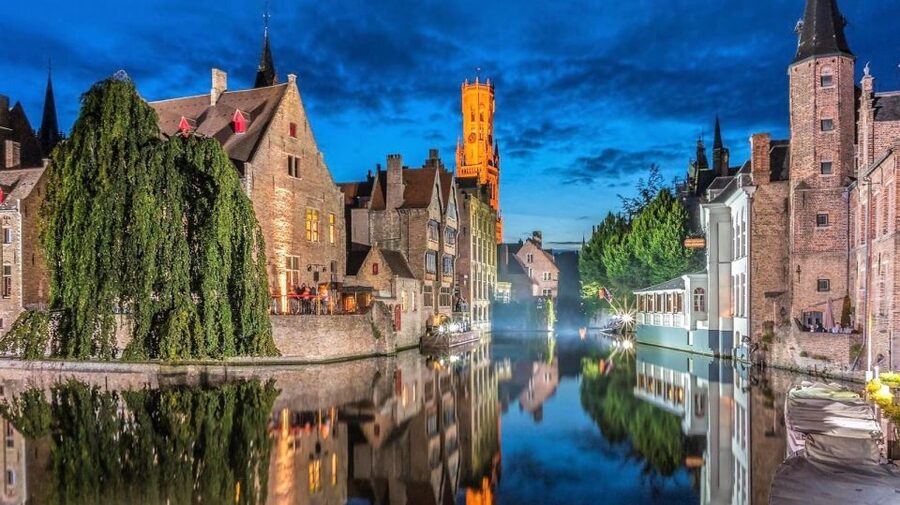
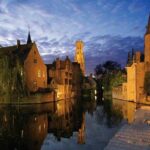
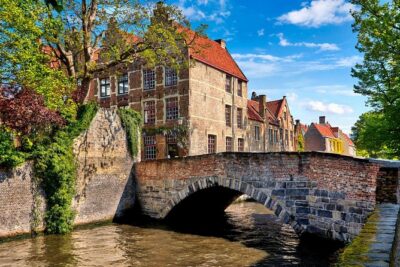
Bruges is often called the Venice of the North for a reason—and the best version of that idea starts on foot. After arriving at Bruges central station, the tour gives you a 2.5-hour walking tour, then a block of free time for roughly 2 hours for food, shopping, and optional extras (like a boat trip).
Walking the UNESCO core and the Lake of Love
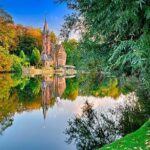
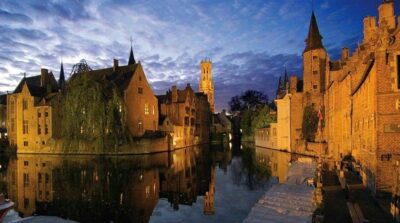
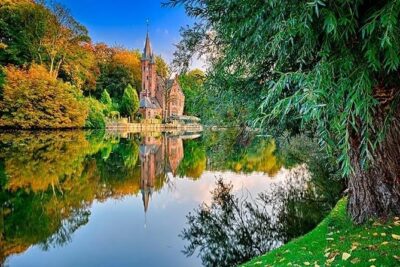
You’ll start by walking by the canals in the historic heart, with stops tied to how the city worked. One standout stop is the ancient city wall park where the Lake of Love helps nourish the canal system. It’s a small detail, but it changes how you see the canals: you’re not just looking at scenery, you’re seeing infrastructure from medieval Bruges.
Beguinage: the gated community that shaped city life
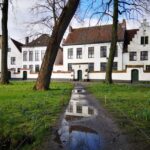
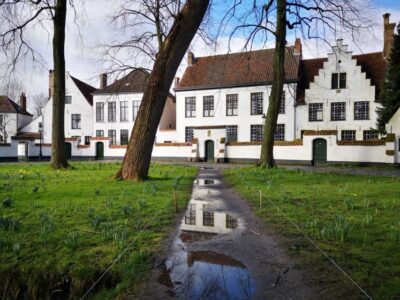
The Beguinage is one of the best-preserved examples of medieval gated communities in Bruges, and it’s tied to how women lived there. Even if you don’t go super deep into history, it’s a powerful place to feel the difference between grand public spaces and quieter, protected life.
Ghent next, more days out from Brussels
De Halve Maan: beer culture you can still smell
Next comes Brewery De Halve Maan, highlighted as the only brewery still operating in the city center. That alone makes Bruges feel more alive than the typical museum-city vibe. You’ll get a sense that this place isn’t only for postcards—it has ongoing traditions.
Old St. John’s Hospital and optional Hans Memling
Then you’ll head to Old St. John’s Hospital, described as one of the oldest hospitals in Europe, with 800 years of European architecture. There’s also an optional museum stop tied to Hans Memling. If you like Renaissance art, it’s worth considering; if you’d rather keep moving, you can treat it as a “maybe” and focus on streets and squares.
Our Lady of Bruges: a tower you can’t miss
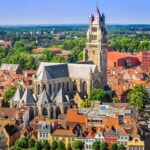
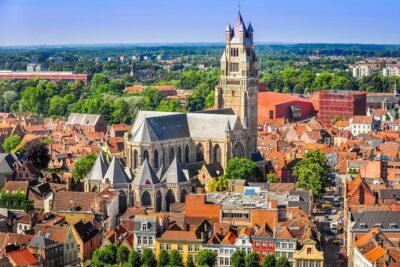
The route also includes Our Lady of Bruges, one of the city’s oldest churches. The big visual payoff is the tower, noted as one of the tallest brickwork towers in the world. If you choose to look inside, there are art treasures too, including the optional Michelangelo’s Madonna with the Child.
In plain terms: this is the kind of stop that makes you understand why Bruges is famous. The tower gives you scale; the interior gives you reward.
VisMarkt, Tanners’ Square, and the Markt/Guildhall zone
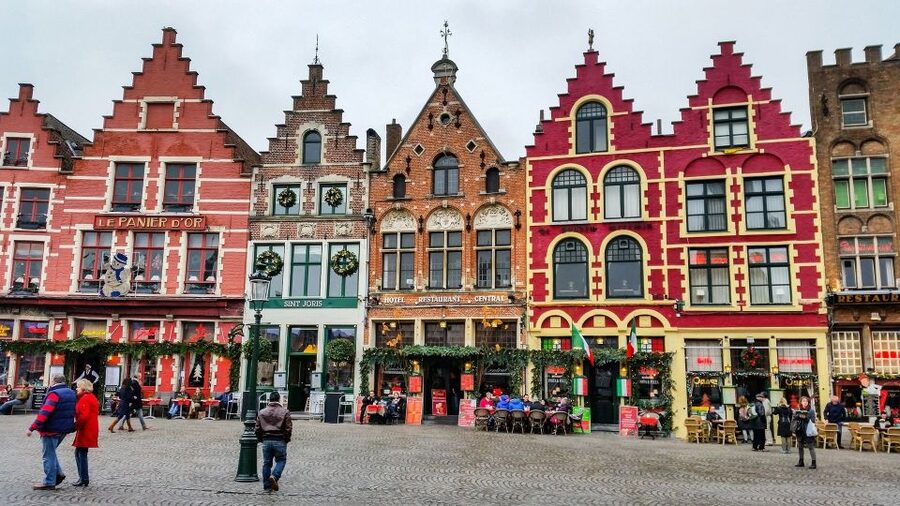
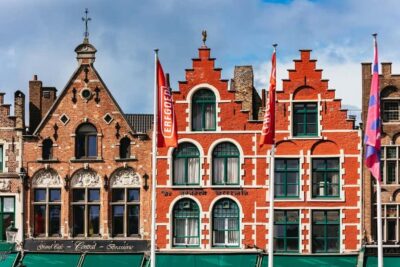
Later, the day shifts to the civic-and-market center: VisMarkt (fish market) and Tanners’ Square, plus major squares like Burg Square and Markt Square. You’ll see the guildhalls and lively café energy around older landmarks—these are places where locals still stop, not just where tour groups pose.
If you want one quick way to enjoy Bruges more: spend a few minutes just people-watching around these squares. The “architecture + coffee + canal” rhythm is part of the experience.
Optional Bruges canal boat: worth the detour if you like views
There’s also an optional canal tour. It’s listed as €8 per person, paid while boarding. I like this as a low-effort way to see more water-side streets without adding more walking time. Just know it costs extra and adds another block to your schedule.
Ghent: Saint Bavo Cathedral’s Mix of Styles, Then Port Views at Graslei
After Bruges, the tour heads to Ghent, a port city where medieval power shows up in stone, not just stories. The plan begins at Saint Bavo Cathedral, described as spectacular, Gothic with Baroque ornamentation.
Saint Bavo Cathedral: Gothic drama and Baroque ornamentation
You’ll admire the Gothic church and Baroque details, then you’ll step into the marble choir and private chapels. The guide highlights major art and interior features, including:
- A Rubens painting: Saint Bavo Enters the Convent at Ghent
- A Rococo pulpit
- Stunning frescoes in the Romanesque crypt
If you like churches for art rather than for faith, this stop is a big win. It’s one of those interiors where the style changes can feel like different “chapters” of European taste.
The Mystic Lamb altarpiece: optional but iconic
There’s an optional add-on tied to the altarpiece The Adoration of the Mystic Lamb by the Van Eyck brothers, with a small extra fee of €4. This is the choice point for many people: do you want the famous artwork close-up, or would you rather keep time for outdoor views and neighborhood wandering?
If you’re only choosing one optional art moment today, this is the one listed with a clear extra cost—so it’s the most straightforward “yes/no.”
City Hall, Belfort, and Market Hall: medieval civic pride
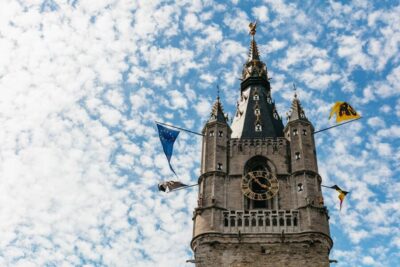
Next you’ll see Ghent City Hall, noted for its mix of Gothic, Renaissance, and Baroque architecture. Then you’ll go to Market Hall and get views around the Belfort Tower, plus the covered market space.
This is another “important because it’s functional” moment. In medieval cities, civic buildings weren’t just grand backdrops—they were where power was displayed and where daily life happened under one roof.
Medieval churches near the center
The route also points out nearby churches such as Saint Nicholas, Saint James, and Saint Michael, presented as reminders of Ghent’s medieval past. Even if you don’t go inside, the grouping helps you understand how this city has layers rather than single landmarks only.
Graslei: the old port where your photos come from
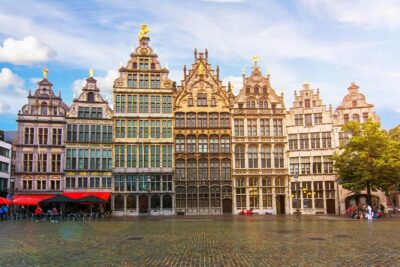
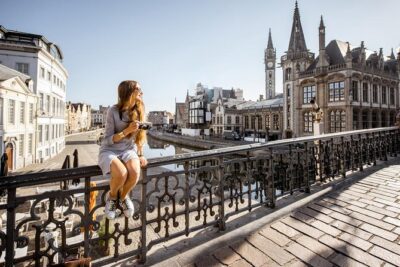
Then comes the payoff many people picture: the old port of Graslei. You’ll look out over the river Leie and the old guildhalls. It’s the sort of view that makes you pause, because the buildings feel like they’re designed to frame the water.
If you’re thinking “I should stop for photos,” this is the moment. The framing and reflections are part of the architecture.
Gravensteen and Patershol: When Ghent Turns Storybook
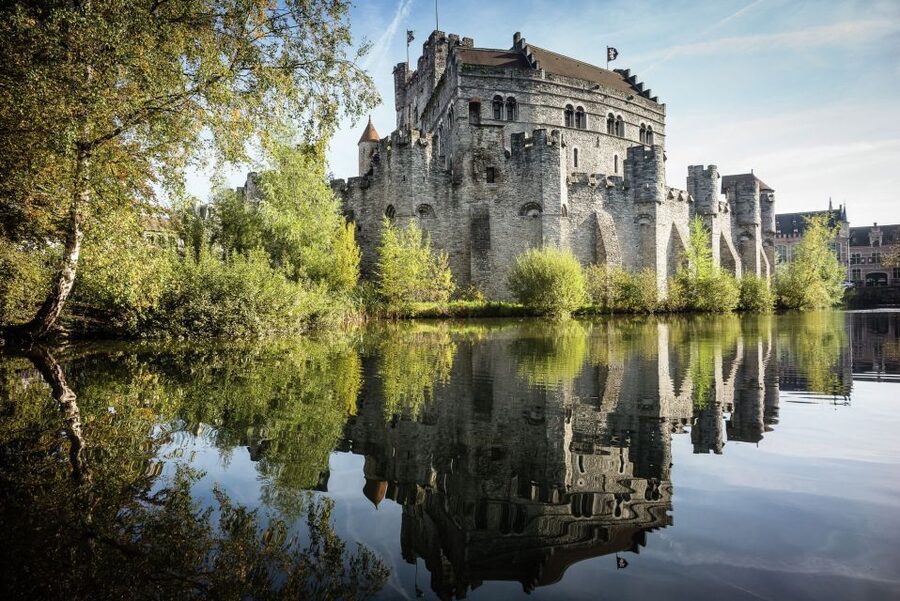
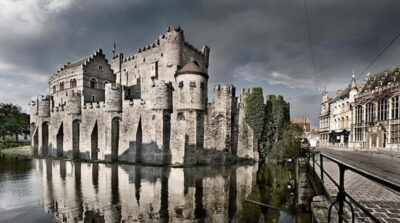
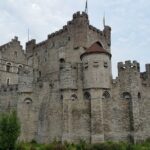
After the port views, you head to the castle of Gravensteen, the medieval fortress where the counts of Flanders once lived. The tour gives you time to explore the castle and then move into Patershol, known for charming buildings with brick facades.
Why Patershol matters: you can’t get a neighborhood feel from a cathedral interior alone. This is where you taste the city’s personality through streetscapes, café fronts, and the kind of Flemish cuisine that makes people linger.
Great Butchers’ Hall: one of Europe’s oldest meat markets
The final listed stop is the Great Butchers’ Hall, a 15th-century meat market. It’s a very “real life” contrast to castles and cathedrals. You end the day remembering that medieval cities ran on markets and trade, not just religion and royalty.
Food and Drinks: Moules Frites, Chocolate, and Beer Without the Stress
This tour doesn’t just mention food—it points you toward the kinds of stops that fit each city.
In the Bruges and Ghent day plan, you’ll get time to eat during Bruges free time, with breaks sized for grabbing lunch, snacks, and treats rather than long sit-down meals. The highlights explicitly include Belgian chocolates, the national dish moules frites, and beer.
A practical way to handle this day: think of food as “small and often.” With a full morning of walking and a big afternoon of cathedral + port + castle + neighborhood streets, one long meal can be hard to fit. Use the free time blocks to do a proper lunch, then grab a smaller bite when you stumble on a place that looks good.
If you’re beer-minded, Brewery De Halve Maan is a useful anchor stop earlier in Bruges. Even if you don’t plan a formal tasting, the culture is there.
The Real Strength Here: A Guide Makes the Difference
This is one of those tours where the guide isn’t a bonus. It’s the engine.
Many reviews praise guides who keep the day organized and full of context. Names like Louisa/Louise show up in the feedback, with praise for being fun, fast with history, and good at managing photo stops. One review also mentions accommodating families with little legs, which tells me the guide style can include frequent short pauses.
That matters because the itinerary is dense. A good guide turns “standing in front of buildings” into “understanding why these buildings matter.” And in both Bruges and Ghent, you’ll feel the difference fast.
My advice: if you’re the type who wants to ask questions, don’t wait. Early in the tour, get the guide’s perspective. Later on, you’ll move smarter through the streets because you’ll already understand what you’re looking at.
The Main Downside: Tiring Walking and Limited Time Per Stop
Here’s the honest part. The tour is called a day trip, but it behaves like a full-on sightseeing mission. Expect:
- Lots of walking
- Uneven surfaces
- Time pressure around major stops
- Optional add-ons that cost extra
More than one review flags that it can be tiring. That’s not a complaint about quality—it’s just math. Bruges plus Ghent plus cathedrals plus castles in one day means you’ll enjoy it, but you won’t get the slow, museum-perfection rhythm you might want.
If you’re dreaming of multiple boats, extra museums, or long indoor time, you’ll likely feel shorted. The best approach is to treat this as a high-impact intro—then return later if a specific place hooks you.
Best Fit: Who Should Book This Bruges and Ghent Day from Brussels?
I think this works best for you if:
- You’re in Brussels and want two top medieval cities without planning a multi-day route
- You like walking and architecture and can handle a steady pace
- You want a guided overview now, then possibly a follow-up trip later
- You prefer the structure of a set itinerary plus some free time for personal choices
It might be less ideal if:
- You need long, slow museum time
- You dislike crowds or walking on uneven old streets
- You’re hoping every major attraction is included without extra fees
If you want a trip that’s more like a relaxed stroll with lots of optional time, you might be happier choosing a longer stay in one city instead of splitting your day between both.
Should You Book It? My Straight Answer
Book this trip if your goal is simple: see the headline sights in Bruges and Ghent in one organized day, with train convenience and a guide who helps you understand what you’re seeing.
Don’t book it if you’re chasing total freedom, deep museum time, or multiple paid add-ons. This tour is built for highlights, not for lingering all day.
If you go, do two things: wear comfortable shoes and choose your optional add-ons early (especially the €4 Van Eyck altarpiece and the €8 Bruges canal boat). That way, you keep the day enjoyable instead of rushed.
FAQ
Where do I meet the guide in Brussels?
You meet at the Grand Place in Brussels in front of the Tourist Information Office at 08:30, looking for a guide holding a white umbrella.
Does this tour run every day?
The tour description says the departure from Brussels at 9:30 AM is only on Sunday.
What’s included in the price?
The included parts are the guided tour, a local guide, and transportation from/to Brussels by train.
Is the Bruges boat trip included?
No. The canal boat trip is listed as not included, with a cost of €8 per person, paid while boarding.
What about the Van Eyck altarpiece in Ghent?
Entrance to The Adoration of the Mystic Lamb by the Van Eyck brothers is listed as not included and costs €4.
How much time do you get for Bruges on your own?
You’ll have a 2-hour free time block in Bruges after a 2.5-hour walking tour, for eating, souvenirs, and optional activities.
Is it refundable if plans change?
The activity offers free cancellation up to 24 hours in advance for a full refund. It also mentions a reserve & pay later option.
Belgium by Rail

A Day in Ghent

A Day in Bruges
Hot Off the Press: New Brussels Reviews


Bruges Day Trips from Brussels, compared.
 ★ 4.6From Brussels: Guided Day Trip to Bruges and GhentFrom $558,353 reviews
 ★ 4.7From Brussels: Bruges & Ghent Day Tour – 2 Fairytale CitiesFrom $578,242 reviews
 ★ 4.0Bruges and Ghent – Belgium’s Fairytale Cities – from BrusselsFrom $594,809 reviews
 ★ 4.6From Brussels: Bruges Day Trip with Boat Tour Option (ENG)From $501,352 reviews
 ★ 4.7From Brussels: Bruges Day Trip with Boat Tour Option (ES)From $501,171 reviews
 ★ 4.5Bruges and Ghent Day Trip from BrusselsFrom $56784 reviews
 ★ 4.5Bruges Day Trip from BrusselsFrom $51619 reviews
 ★ 4.5Excursion to Bruges and Ghent by bus from BrusselsFrom $54221 reviews
Browse the lists this tour appears in