

Reviewed · PRIVATE
Private Tour: The Dark Side of Brussels
Justice in Brussels has a darker soundtrack. This private, 2-hour route connects polished squares to grim themes like public justice and even beheading stories, all tied to buildings you’ll actually see up close.
I especially like the way the tour blends architecture with real human drama, not just dates and names. I also love that it’s truly private with an English-speaking guide, so you can ask questions without watching a big group shuffle ahead.
One thing to consider: the pace is built on short stops, so you’ll do some walking and standing. It ends in Marolles near Kapellekerk, so plan your next move from there instead of assuming you’ll come back to the Grand Place.
In This Review
- Key highlights you’ll feel fast
- Why this dark-history walk is worth 2 hours
- Meeting at the Grand Place, then switching to “justice mode”
- Sablon: Grand Marché, Notre-Dame du Sablon, and Petit Sablon statues
- St. Jean, Tour Anneessens, and Rue de Rollebeek: the streets behind the postcards
- Justice Palace: where Brussels shows off its power (and its consequences)
- Marolles at street level: Kapellekerk vibes, and the daily flea market
- Price and value: what $105.02 buys you here
- Practical tips so you enjoy every stop
- Should you book The Dark Side of Brussels?
- FAQ
- How long is the Dark Side of Brussels private tour?
- What does the tour cost?
- Is the tour offered in English?
- Is this a private tour?
- Where do we meet, and where does the tour end?
- What’s included in the tour?
- Do I need tickets or pay for admissions at the stops?
- Is there free cancellation?
Key highlights you’ll feel fast
- Private guide, English: Only your group, so the stories land better.
- Courthouse views: The Palais de Justice sits up high with wide city views.
- Sablon stops with style: Gothic churches, Petit Sablon statues, and a market area you’ll recognize.
- Marolles at full volume: Place du Jeu de Balle is your flea-market hit of the day.
- Dark-history storytelling: Expect connections from gothic cathedrals to punishment stories like beheadings.
Why this dark-history walk is worth 2 hours
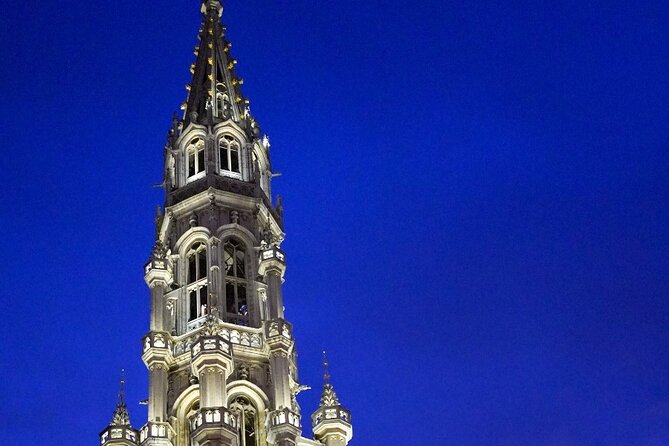
Brussels is full of pretty façades, and this tour is the clever part: it keeps asking what was going on behind the stone. In just about two hours, you move through a tight loop of central neighborhoods and get a guided story arc that’s easy to follow.
At $105.02 per person, you’re not paying for a bus ride or a mega-group show. You’re paying for a professional guide who can stitch together architecture, street life, and the city’s darker side—while still showing you places you’d want to linger at on your own.
This is also a good fit if you like history but hate slow museums. You’re outside, you’re moving, and each stop gives you something practical: a landmark to orient yourself, a detail to notice, or a scene to picture.
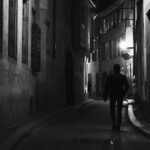
The city turns darker, more crime walks
- Evening Tour: The Dark Side of Brussels
★ 4.5 · 435 reviews - Private Tour: The Dark Side of Brussels
★ 5.0 · 20 reviews - Brussels: 2-Hour Dark Side of Brussels Private Tour
★ 4.8 · 11 reviews
Meeting at the Grand Place, then switching to “justice mode”
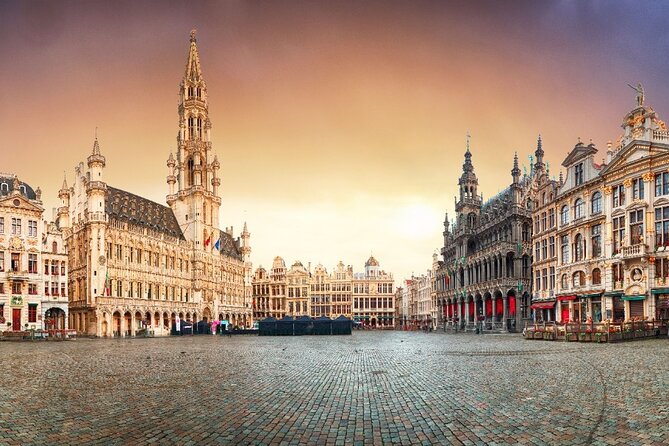
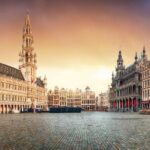
You start at Grand Place / Grote Markt, the classic postcard square where Brussels looks at its best. From there, your guide gradually shifts the theme from art-and-ornament to law-and-consequences.
That switch matters. Brussels can feel like a mix of fancy corners and ordinary streets, and this route helps you connect the two. You’ll leave with a stronger sense of how power worked here—who had it, who judged it, and how people dealt with the results.
And yes, the guide brings energy. In particular, guides such as Sebastian are known for mixing big facts with fun delivery, including grim stories that go past the cheerful façade.
Sablon: Grand Marché, Notre-Dame du Sablon, and Petit Sablon statues
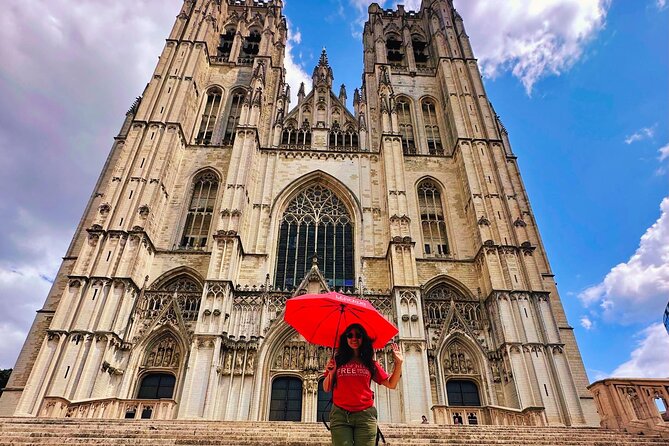
Your walk first lands in the Sablon area, where the vibe is all about craft, church stonework, and daily life. One early stop is the Grand Marché area near Place du Grand Sablon—a practical place to absorb how locals shop and snack. Even if you’re not buying, it helps you see Brussels as a working city, not just a photo set.
Next comes Notre-Dame du Sablon, the gothic church that pulls you in with stained glass and careful details. If you like the kind of building that rewards looking up and moving slowly, this stop delivers. It’s also a natural “dark-side” pivot because gothic design often carried heavy symbolism—religion, authority, and discipline all wrapped together.
Then you get Petit Sablon. This square is not just pretty—it’s structured. You’ll see 48 small bronze statues tied to medieval guilds. It’s the kind of detail that turns a calm garden square into a clue about how trade and social rank worked in earlier Brussels.
St. Jean, Tour Anneessens, and Rue de Rollebeek: the streets behind the postcards
From the Sablon setting, the route shifts to squares and streets where the city feels more lived-in. At Place Saint-Jean, you get old-brussels charm to balance the heavier stops. It’s a place to slow down, sit with a coffee vibe, and notice the St. John the Baptist Church anchoring the square.
Then you head toward Tour Anneessens, a neighborhood district that helps explain modern Brussels without turning the route into a lecture. You’ll get a sense of how communities are layered here, and how different architectural styles share the same streets.
A few minutes later, you walk Rue de Rollebeek, a small street with cobblestones, cafes, and boutiques. It’s a good breather stop, and it also gives you something useful: a feel for how the city moves on a human scale. If you’ve ever tried to explore Brussels on your own and ended up wandering in circles, this kind of guided “street reading” helps you get your bearings fast.
Just your party, more days to yourselves
Justice Palace: where Brussels shows off its power (and its consequences)
The star stop for many people is the Palais de Justice (Palais de Justice / Palais de Justice / Brussels courthouse). This is one of the largest courthouses in the world, and it shows. The architecture is grand and neoclassical, but the message is simple: this is where serious matters happened.
It’s also practical for your day. The building sits on a hill, so you get sweeping views of Brussels. Even if you’re not a courthouse person, the viewpoint makes the stop feel worthwhile.
Most importantly, this is where the tour’s title stops being marketing. Your guide ties the monumental space to stories about justice, punishment, and consequences—there’s even mention of beheading stories in the style of storytelling used on this route. You’ll hear the city’s “dark side” framed in a way that connects place to theme.
Marolles at street level: Kapellekerk vibes, and the daily flea market
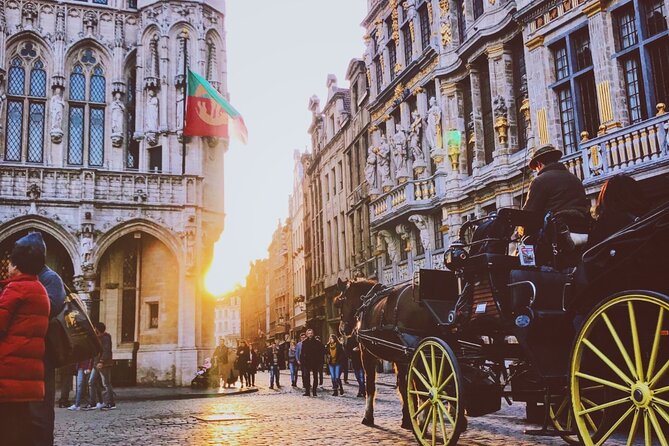
As the tour moves toward Marolles, the energy changes. You’ll reach Place du Jeu de Balle, famous for the flea market that takes place every day. This stop is one of the best “feel the city” moments because it’s casual and loud in the best way. You might spot vintage furniture, old photographs, second-hand clothing, and random treasures—the kind of browsing that makes time pass without you noticing.
After that, the tour ends at Kapellekerk (Church of Our Lady of the Chapel) in the vernacular Marolles neighborhood. This church’s name connects to a chapel founded in 1134, so you’re stepping into a place with deep roots. It’s a calm ending after the market, and it gives the whole route a closing note: history isn’t just behind glass. It’s still part of daily streets.
Price and value: what $105.02 buys you here
The pricing works best if you value time on your feet with an expert. At $105.02 per person for about 2 hours, you’re paying for a guided experience that focuses on central sites without dragging you through a long itinerary.
A private tour also means you don’t have to match your pace to a crowd. If you want more explanation at one stop—say, Notre-Dame du Sablon’s details or what the courthouse represents—you can ask. In fact, guides like Dan are noted for tailoring the visit when schedules don’t match a standard group tour style.
Another value point: the route lists stops as having free admission tickets. That matters because it reduces surprises. You’re not paying additional site fees on top of the tour price based on what’s listed.
Practical tips so you enjoy every stop
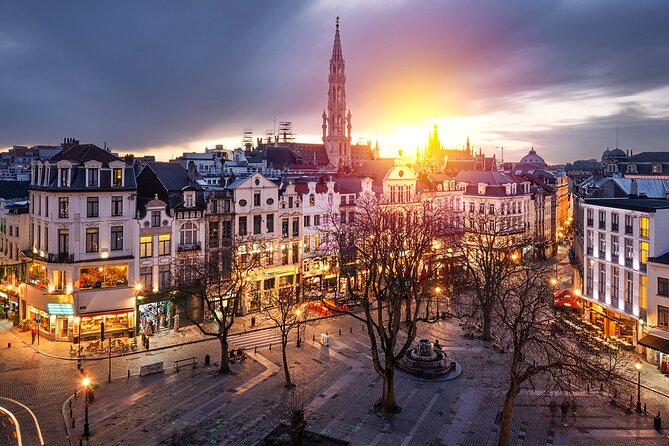
For the best experience, treat this as a walking-and-story tour, not a sit-down tour. Expect cobblestones in at least one part of the route, and plan on comfortable shoes.
Also, start with a clear plan for your ending. Since the tour finishes at Kapellekerk near Rue des Ursulines, it’s smart to build your next activity nearby. If you’re already planning to eat in Marolles, you’ll be perfectly positioned.
One more small tip: wear something easy to adjust for quick weather changes. Brussels can shift quickly, and you’ll be outdoors most of the way.
Should you book The Dark Side of Brussels?
Book it if you want Brussels with story teeth—architecture plus consequences, not just sightseeing. This is a strong choice when you only have a short window and you want your time to feel focused, with a guide who can keep the tone interesting without losing the facts.
Skip it (or consider a different option) if you prefer long museum-style pacing or you hate standing between photo stops. The tour is built as a sequence of short segments, so it’s not a slow linger-through-everything kind of experience.
If you do book, go in ready to look up at stonework, notice symbols, and let the guide connect the pretty parts to the darker chapters.
FAQ
How long is the Dark Side of Brussels private tour?
It runs for about 2 hours.
What does the tour cost?
The price is $105.02 per person.
Is the tour offered in English?
Yes, it’s offered in English.
Is this a private tour?
Yes. It’s private, and only your group participates.
Where do we meet, and where does the tour end?
You start at Grand Place / Grote Markt (1000 Brussels). The tour ends at Kapellekerk near Brux.-Chap / Brus.-Kap, Rue des Ursulines (1000 Bruxelles).
What’s included in the tour?
A professional guide is included.
Do I need tickets or pay for admissions at the stops?
The itinerary lists admission tickets as free for the stops.
Is there free cancellation?
Yes. You can cancel up to 24 hours in advance for a full refund.
More Brussels Outings

More Tour Reviews in Brussels



The Darker Side of Brussels
Hot Off the Press: New Brussels Reviews

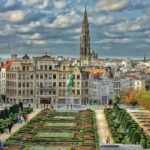
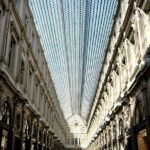
Private, compared.
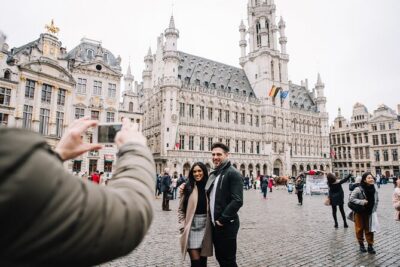 ★ 5.0Brussels Highlights & Hidden Gems Private Tour with a Local GuideFrom $95251 reviews
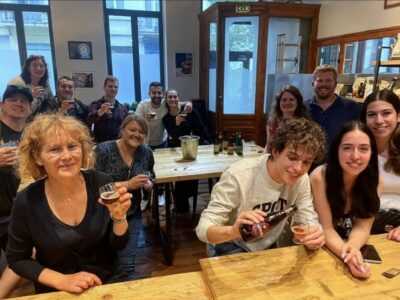 ★ 4.6Belgian Beer Tasting and Course at a Private BarFrom $32219 reviews
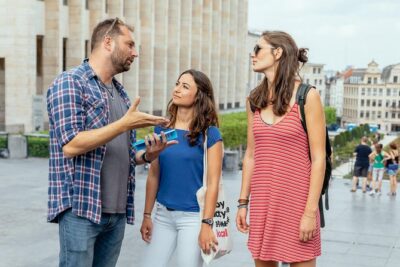 ★ 5.0Brussels PRIVATE TOUR With Locals: Highlights & Hidden GemsFrom $114177 reviews
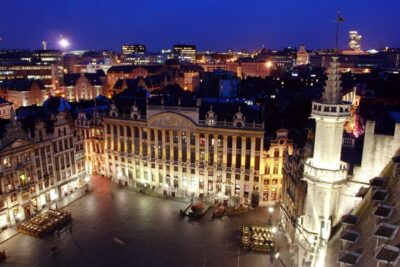 ★ 4.6Private 3-Hour Sightseeing Walking TourFrom $347112 reviews
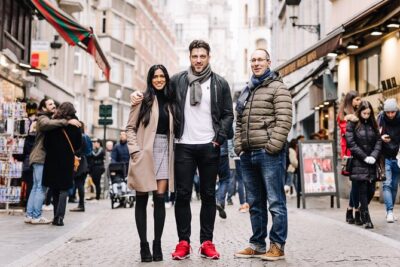 ★ 5.0Brussels Like a Local: Private & Personalized Experience 2-4 hrsFrom $95111 reviews
 ★ 4.4Private Tour with a LocalFrom $62101 reviews
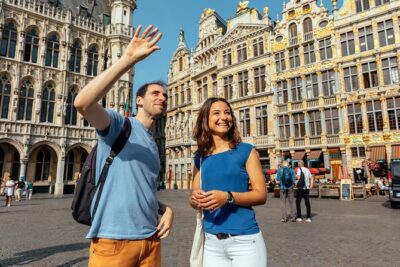 ★ 4.5Private City Kickstart Tour: BrusselsFrom $8060 reviews
 ★ 5.0Private Transfer from/to Brussels Zaventem AirportFrom $9652 reviews