
Reviewed · GUIDED
Guided tour: Brussels Crime Scenes
Brussels has a polished face, but this walk shows the dark edges. I like the strong historical context and the way the stories stay respectful instead of turning into cheap shock. The one thing to consider is that it is a story-heavy tour, so if you want costumed theater or lots of audience games, you may wish for a bit more fun on top of the facts.
You’ll trace criminal cases that shaped Brussels in the 19th and 20th centuries, moving through city corners where legend, scandal, and plain brutality all left marks. It’s the kind of route that makes you notice street details differently, because each stop connects to what people believed, feared, and tolerated back then.
Practical note: it runs about 2 hours for up to 25 people, uses a mobile ticket, and starts near Rue de l’Etuve 1 and ends by Place Saint-Géry. It’s not a museum day, so wear good walking shoes and plan for a steady pace.
In This Review
- Key points I’d prioritize before you book
- A 2-Hour Brussels Crime Story Walk: What the Experience Really Is
- Starting at Rue de l’Etuve 1 and Crossing Toward the Grand Place
- Grand Place Contrast: Beauty, Then Brutality
- Rue de l’Amigo: The Hotel Story That Led Into a Passion Crime
- Stop one: a hotel that used to be something else
- Stop two: Hotel À la Ville de Courtrai and a crime of passion
- Le Coin du Diable: Devil’s Corner and a 17th-Century Legend
- Place Saint-Géry: The 19th-Century Murder That Captivated Brussels
- Place du Jardin aux Fleurs: A Villainous Crime With Unusual Loot
- Why the Tour Feels Respectful (Even When It’s Frightening)
- The Guide Factor: Professional Storytelling With Historical Context
- Price and Logistics: Is $23.26 Worth It?
- Who This Walk Suits Best (and Who Might Want to Skip It)
- Final Call: Should You Book Brussels, Scene of Crimes?
- FAQ
- FAQ
- How long is the Brussels Crime Scenes tour?
- How much does the tour cost?
- Where do I start and where does it end?
- What’s the group size limit?
- Is there a mobile ticket?
- What should I expect the tour to cover?
- Can I cancel for a full refund?
- Is the tour physically accessible for most people?
Key points I’d prioritize before you book

- Small group (max 25): easier Q&A and less standing around.
- Guide quality: expect clear, professional storytelling with context.
- Stops are street-level: no museum-ticket hunting at each location.
- Crime of passion + legends: you get both real cases and older urban lore.
- Grand Place contrast: beauty up front, darkness soon after.
- Price-to-time is solid: a short tour with a lot of story density.
A 2-Hour Brussels Crime Story Walk: What the Experience Really Is
This is a guided walking tour built around crimes and scandals tied to Brussels in the 19th and 20th centuries. You’re not just hearing a plot. You’re getting the social background that explains why a case mattered to a city back then: how police handled things, how communities reacted, and how customs shaped what people thought was acceptable.
I like that the tour aims for respect, even when the subject matter turns grim. It does not feel like it’s trying to entertain you by being loud or sensational. Instead, the tone is more like a careful historical narrative—uncomfortable, yes, but grounded.
Another thing I appreciate: the experience treats the city like a living archive. Brussels isn’t just buildings and beer here. You’re learning how neighborhoods and street names connect to real human behavior and institutions, especially through police work and public reaction across eras.
The city turns darker, more crime walks
- Evening Tour: The Dark Side of Brussels
★ 4.5 · 435 reviews - Private Tour: The Dark Side of Brussels
★ 5.0 · 20 reviews - Brussels: 2-Hour Dark Side of Brussels Private Tour
★ 4.8 · 11 reviews
Starting at Rue de l’Etuve 1 and Crossing Toward the Grand Place
The tour begins at Rue de l’Etuve 1, 1000 Bruxelles, and early on you’ll cross toward the Grand Place. That first stretch matters. The Grand Place is famous for its visual splendor, so using it as an opening creates a quick mental shift: you see how a city can look composed while holding rougher stories underneath.
This is also a useful way to get your bearings fast. You’re already in the center of things, close to major sights and easy public transport. And because the tour is only about two hours, you don’t feel trapped into a half-day commitment.
If you’re the type who likes to understand a place through its people rather than just its landmarks, this structure works. You’ll walk into the darker content without it feeling random, because the route is setting up a theme from the first moments.
Grand Place Contrast: Beauty, Then Brutality
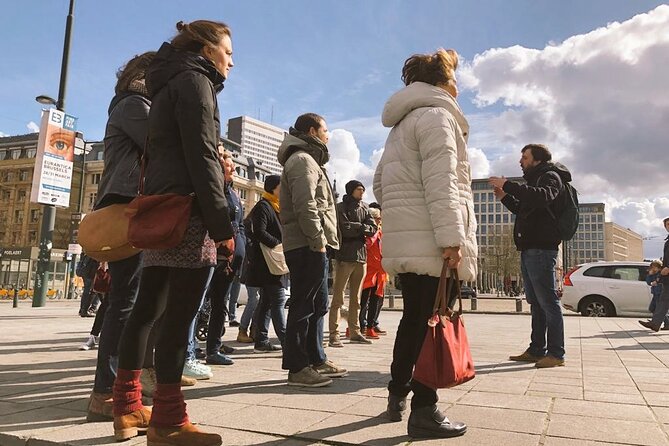
Crossing the Grand Place early is a clever choice. Brussels’ center can make you think the past was all harmony and grandeur. Then, the tour pushes you into cases where there were losses, fears, and violence that people couldn’t ignore.
I like this contrast because it helps you stay engaged. You’re not trudging from one grim stop to another with no emotional pacing. There’s a kind of narrative rhythm: begin with a recognizable heart of the city, then start unraveling what lived behind the nicer surfaces.
The practical benefit is also real. You’ll be in a high-visibility area where it’s easy to find your starting point, and you won’t need to “catch” the tour in some out-of-the-way location.
Rue de l’Amigo: The Hotel Story That Led Into a Passion Crime
After the Grand Place, you head to Rue de l’Amigo, with two stops close together.
Let a local lead, more easy days
Stop one: a hotel that used to be something else
One stop focuses on a hotel legend described as a dream story, tied to a place that hadn’t always welcomed prestigious visitors. Even without museum-style exhibits, that kind of local history works well on foot. You’re learning to read the street as a social stage—who used to come through, who didn’t, and how reputations can shift with time.
This matters because it sets the mood for the next stop. You’re not just jumping into violence. You’re being shown how the setting—status, hospitality, and who belongs—plays into crime and consequence.
Stop two: Hotel À la Ville de Courtrai and a crime of passion
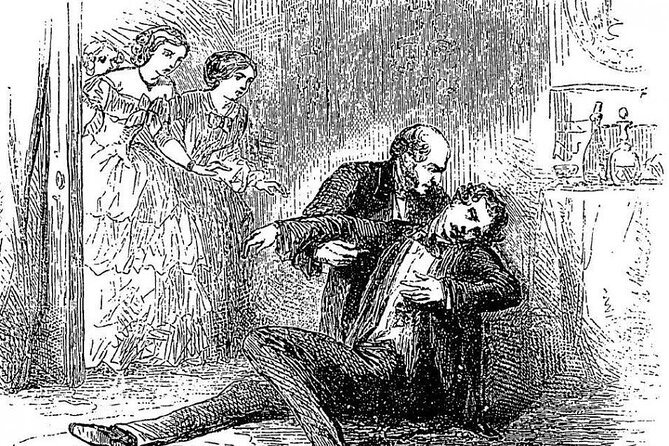
The next stop on Rue de l’Amigo turns sharper. You’ll learn about a famous crime of passion that took place at the corner of Rue de l’Amigo, involving the hotel À la Ville de Courtrai.
I like how this connects the personal to the public. In many historical cases, crimes aren’t only about what happened physically. They’re also about the social fallout: gossip, morality, and how the city decides what story it wants to believe.
One consideration: since this is a walking tour, the details are best absorbed if you stay mentally switched on. You’ll want to keep your phone away unless you’re checking transit or map basics, because the story will move quickly.
Le Coin du Diable: Devil’s Corner and a 17th-Century Legend
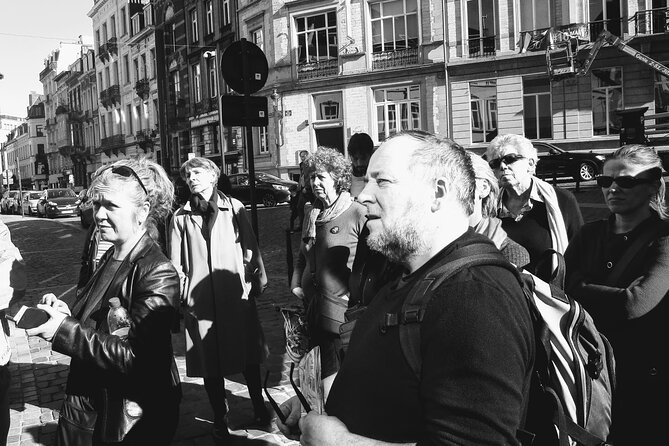
Next comes Le Coin du Diable, a legend known as Devil’s Corner, with roots in the 17th century. This is where the tour expands beyond direct criminal cases and adds the older layer of urban folklore.
That mix is one of the most interesting parts of this kind of tour. Real crimes show you what institutions did. Legends show you what people feared. Over time, the city’s story changes form: from documented incidents to repeated warnings and dark jokes that survive because they feel meaningful.
If you like hearing how myths attach themselves to specific corners, you’ll enjoy this. It’s also a nice break from pure case-based narration, because it gives you a cultural lens: how people explained the unknown before modern policing and forensic methods were standard.
Place Saint-Géry: The 19th-Century Murder That Captivated Brussels
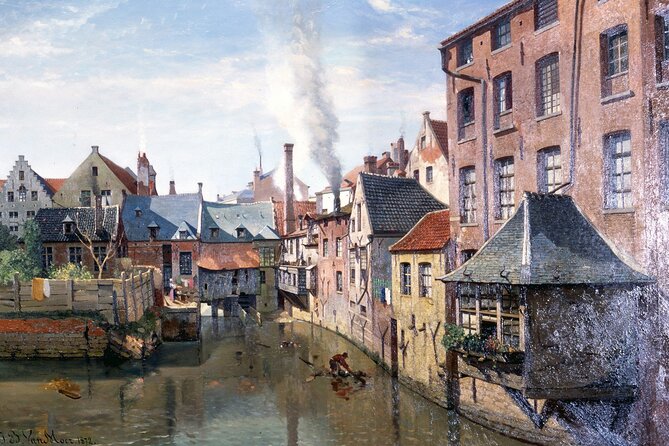
Then you reach Place St. Gery. This is one of the emotional centers of the tour. The focus is on the crime of Place Saint-Géry, described as particularly atrocious, leaving three dead, and fascinating Brussels in the mid-19th century.
This stop is valuable because it shows how violence can become public history. When a case is notorious enough, it doesn’t stay private. It shapes reputation, local identity, and even how people talk about law and order.
I also like the way this stop anchors the tour geographically. Place names are not just labels here—they act like memory containers. When you finish this part of the walk, you’ll likely look at Place Saint-Géry differently, as a location that held a turning point for public attention.
One drawback to keep in mind: the subject matter here is heavy. If you’re sensitive to violence or prefer lighter sightseeing, this may not be your ideal tour. The good news is that the overall approach is described as respectful, not exploitative.
Place du Jardin aux Fleurs: A Villainous Crime With Unusual Loot
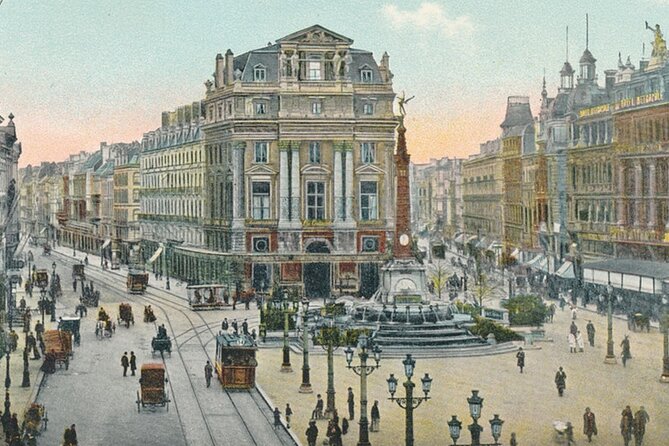
The final storytelling stop is Place du Jardin aux Fleurs. Here the focus is on a villainous crime with unusual loot. This doesn’t feel like a random tag-on. It’s a way to broaden the picture of criminal behavior—from passionate motives to legendary fear, then to a more unexpected twist.
This kind of ending can be effective. You’re leaving with variety in your head rather than only a single tone. And because the loot is described as unusual, it encourages you to ask a practical question: what would have made the theft stand out to contemporaries?
It also gives you a nice wrap-up point for photos and orientation before you finish at Pl. Saint-Géry 1, where the tour ends.
Why the Tour Feels Respectful (Even When It’s Frightening)
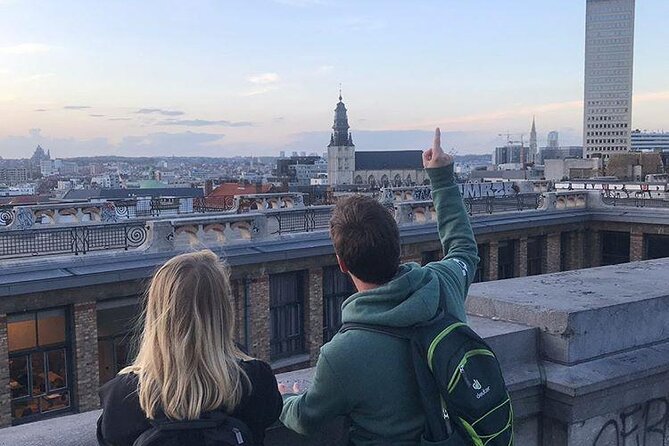
The tour description makes it clear the walk can be shivering, frightening, and sometimes bloody—but always respectful of the protagonists and faithful to the facts. That balance is exactly what I look for in dark-history tours.
Respect matters because it changes how you experience the content. You’re less likely to feel like the guide is chasing shock value. Instead, you’re guided through context: what happened, why people reacted the way they did, and what the case reveals about the society around it.
I also like the added emphasis on how police and social customs fit into each era. Crime isn’t just a story about a culprit; it’s a story about systems—how law enforcement tried to respond, and how the public learned about it.
If you’re worried the tour will be too graphic or too sensational, the best sign is the repeated emphasis on respect and factual faithfulness. And the feedback on guides being professional and captivating supports that the delivery likely matches the tone.
The Guide Factor: Professional Storytelling With Historical Context
The most consistent praise centers on the guide’s ability to capture attention and provide historical framing, not just recite details. People specifically liked that the guide added context around the scenes of crime—helping the events make sense socially and historically.
That’s a huge deal for a short tour. In two hours, you can’t afford a guide who only summarizes. You need someone who can connect the dots quickly and clearly.
It also explains why the tour remains recommended by essentially everyone who booked it. A great guide turns a walk into something you remember. And with this one, the guide performance seems to be doing the heavy lifting: clear storytelling, strong professionalism, and a pace that keeps you with them.
Price and Logistics: Is $23.26 Worth It?
At $23.26 per person for about 2 hours, this is priced like a practical city experience rather than a premium theater show. The value comes from two things:
- Time efficiency: you get a full narrative arc without a full half-day commitment.
- Small group limit (up to 25): it feels like a real walking tour, not a mass event.
Also, the tour includes all fees and taxes, and the stop descriptions list admission as free at those points. That’s another value signal. You’re paying for the guide and the route, not for a bunch of separate entrances.
If you’re traveling on a mid-budget, this is the kind of tour that fits nicely between food stops and major sights. It’s also a good option when you want something different from the usual “architecture and museums” routine.
Who This Walk Suits Best (and Who Might Want to Skip It)
This is best for you if you:
- like history tied to real places, not just dates
- enjoy crime stories with context and a careful tone
- want to see central Brussels through street-level storytelling
It may be less ideal if you:
- hate dark historical subjects
- prefer entertainment-heavy tours with lots of interactive theatrics
- want a light, casual stroll with minimal intensity
One review suggestion you should take seriously: someone wanted costumes and more interactivity. That tells you something about the current format. It’s primarily guided narration, so adjust your expectations accordingly.
Final Call: Should You Book Brussels, Scene of Crimes?
If you want a Brussels tour that’s different from the usual highlights, I’d lean toward booking. The combination of historical context, a guide who can keep attention, and a route through recognizable center-city corners makes it a high-value use of a couple hours.
Go for it if you like stories that connect crime, society, and how cities remember. Skip it if you want something purely cheerful, or if you strongly prefer theatrical, participatory formats.
FAQ
FAQ
How long is the Brussels Crime Scenes tour?
It lasts about 2 hours.
How much does the tour cost?
The price is $23.26 per person.
Where do I start and where does it end?
You start at Rue de l’Etuve 1, 1000 Bruxelles, Belgium and end at Pl. Saint-Géry 1, 1000 Bruxelles, Belgium (in the center of Place Saint-Géry).
What’s the group size limit?
The tour has a maximum of 25 travelers.
Is there a mobile ticket?
Yes, the tour uses a mobile ticket.
What should I expect the tour to cover?
It’s a guided walk focused on criminal cases that marked Brussels in the 19th and 20th centuries, including related local legends and city customs across those eras.
Can I cancel for a full refund?
Yes. You can cancel up to 24 hours in advance for a full refund.
Is the tour physically accessible for most people?
The information provided says most travelers can participate. Service animals are allowed, and it’s near public transportation.
More Brussels Outings





More Tour Reviews in Brussels




The Darker Side of Brussels


Hot Off the Press: New Brussels Reviews





Guided, compared.
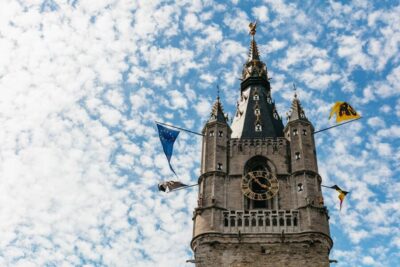 ★ 4.6From Brussels: Guided Day Trip to Bruges and GhentFrom $558,353 reviews
 ★ 4.5From Brussels: Guided Day Trip to Dinant and LuxembourgFrom $661,973 reviews
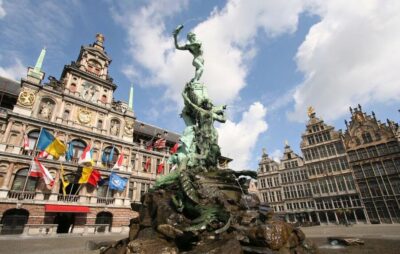 ★ 4.6From Brussels: Full-Day Antwerp and Ghent Guided TourFrom $571,019 reviews
 ★ 4.0Brussels 3-Hour Guided Art Nouveau TourFrom $35282 reviews
 ★ 5.0Brussels Highlights & Hidden Gems Private Tour with a Local GuideFrom $95251 reviews
 ★ 4.7Chocolate Workshop and Guided Walking TourFrom $78225 reviews
 ★ 4.3From Brussels: Guided Antwerp City TourFrom $50177 reviews
 ★ 4.8City Center Guided Food Tour with TastingsFrom $70174 reviews