
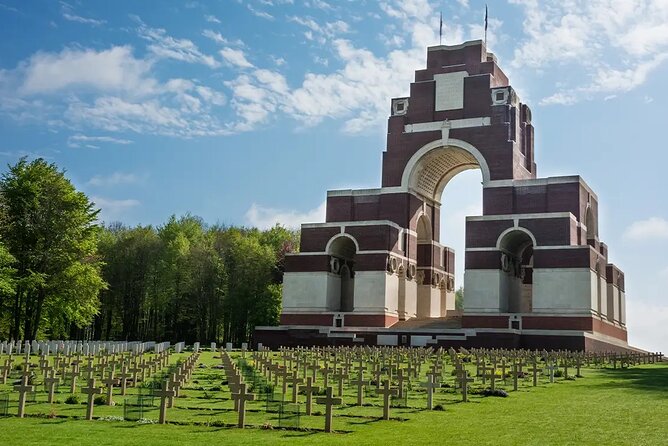
Reviewed · WATERLOO & BATTLEFIELD DAY TRIPS FROM BRUSSELS
Private World War I Battlefield Tour from Brussels to Flanders
A long day, but it lands hard in the best way. This private World War I battlefield tour stitches together cemeteries, museums, and memorials across Flanders, with hotel pick-up in Brussels and tickets handled for you. I especially like the focus on real places of memory and the option to end with the Last Post Ceremony at Menin Gate. One drawback to consider: the schedule is tight, so any delay can steal time—especially if you choose the late-day ceremony route.
The route moves from big names in remembrance to smaller, quieter sites that add texture. You’ll see how many countries, units, and front lines get remembered here—sometimes side by side, sometimes in stark contrast. It’s a thoughtful way to connect the dots between the war’s battlefield reality and the way we choose to honor the dead.
Before you go: expect a day of solemn walking and standing still. Wear comfortable shoes and plan to keep your voice low near memorials. This is the kind of day where the car ride feels short because you’re constantly getting new context.
In This Review
- Key things that make this tour work
- A day that starts in Brussels and moves through living memory
- The two routes: Standard day vs Last Post Ceremony at Menin Gate
- Standard itinerary: back in Brussels around 6:00 PM
- Last Post itinerary: pick-up at 11:00 AM, ceremony end around 9:00 PM
- Vladslo German Military Cemetery: seeing grief from the other side
- Diksmuide and the Brooding Soldier: Canadian remembrance in context
- Flanders Fields Museum: the big-picture explanation before more cemeteries
- Passchendaele battlefield stop: where scale meets strategy
- Tyne Cot Cemetery: the largest Commonwealth cemetery feeling
- Essex Farm Cemetery: where In Flanders Fields got inspiration
- Ypres (Ieper): town time and the road toward Menin Gate
- Menin Gate and the Last Post: the ceremony that changes the day’s meaning
- Price and what you’re really paying for at $590 per person
- Practical tips for making this kind of tour feel personal
- Who should book this WWI battlefield day in Flanders?
- Should you book it?
- FAQ
- How long is the Brussels to Flanders World War I tour?
- What time do I get picked up in Brussels?
- Is lunch included?
- Are tickets included for the sites and museums?
- Is this tour private?
- What language is the tour offered in?
Key things that make this tour work
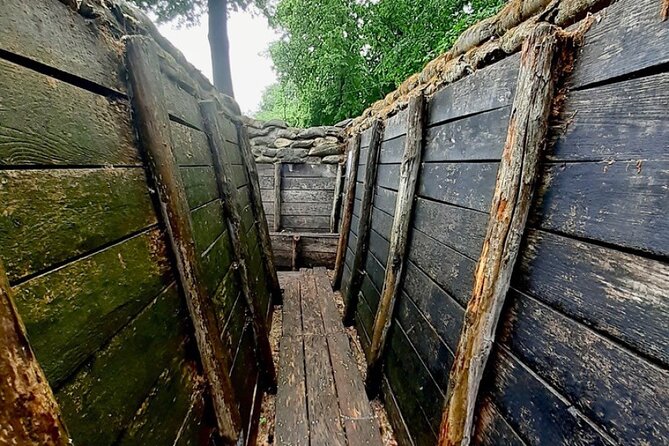
- Two timing options: a standard day in the evening, or a longer one that includes the Menin Gate Last Post.
- Cemeteries that tell different stories: including Vladslo (German) and the big Commonwealth grounds like Tyne Cot and Essex Farm.
- Museum time is built in: Flanders Fields Museum plus the Passchendaele battlefield museum stop.
- Private transportation all day: you avoid the headache of transfers between scattered memorial sites.
- Tickets and on-board basics included: bottled water, WiFi, and admission are covered so you can focus on the sites.
A day that starts in Brussels and moves through living memory
The tour begins with hotel pick-up in Brussels. You meet your guide and driver right in the hotel lobby, then you’re on the road toward Flanders. That first transition matters. In places like this, you want someone to keep the day organized and the context clear so you’re not just collecting locations.
You’re also not stuck figuring out logistics at multiple stops. Private transport plus tickets to all sites means fewer timing worries. It’s a real value when you’re aiming for specific memorials and museums and you don’t want to burn time on bus connections.
The pacing is steady rather than rushed: several stops, short guided segments, then room for your own looking. That’s ideal for this subject. You don’t want a sprint through cemeteries; you want time to absorb the scale and then move with meaning.
Onto the battlefields, more history days out
- Flanders Fields Remembrance Tour from Brussels
★ 4.5 · 334 reviews - Remembrance Tour: The Battle of the Bulge in the Ardennes
★ 5.0 · 51 reviews - From Brussels: The Battle of the Bulge Remembrance Tour
★ 4.8 · 37 reviews
The two routes: Standard day vs Last Post Ceremony at Menin Gate
This tour comes in two versions, and the choice changes the feel of the whole day.
Standard itinerary: back in Brussels around 6:00 PM
If you pick the standard route, you’re collected at 8:00 AM. The day focuses on key WWI sites in Flanders and then gets you back to Brussels around 6:00 PM. You still get the major cemeteries and museum stops, plus a short look at Ypres (Ieper) in the early evening.
This option is best if you want a full day but don’t want to run late. It also gives you more flexibility afterward for dinner in Brussels.
Last Post itinerary: pick-up at 11:00 AM, ceremony end around 9:00 PM
If you choose the ceremony option, pick-up shifts to 11:00 AM, and the day runs much later. You attend the Last Post Ceremony at Menin Gate in Ypres, with a return to Brussels around 9:00 PM.
This is the emotional centerpiece of the day. Even if you’ve seen photos, you’ll likely feel the difference in person. The late-day timing also means you’re arriving to Ypres for the ceremony when the town feels more reflective and less like a daytime sightseeing stop.
Just your party, more days to yourselves

Vladslo German Military Cemetery: seeing grief from the other side
One of the most powerful stops is Vladslo German War Cemetery. You arrive around 9:30 AM for about 1.5 hours. This cemetery doesn’t just add another location. It changes the lens.
You’ll find the memorial sculpture of Grieving Parents by Käthe Kollwitz. It’s the kind of artwork that makes history look painfully human. Standing near it, you start to understand something important about WWI remembrance in Flanders: it’s not only about one side’s narrative. The landscape holds different national griefs in the same region.
This stop is also a reminder to slow down. Cemeteries demand more than quick photos. If you’re the type who likes to read what’s there, you’ll get a lot from this portion.
Diksmuide and the Brooding Soldier: Canadian remembrance in context
Next comes Diksmuide, around 11:00 AM. You spend about 2 hours total, with a guided segment and free time until roughly lunchtime.
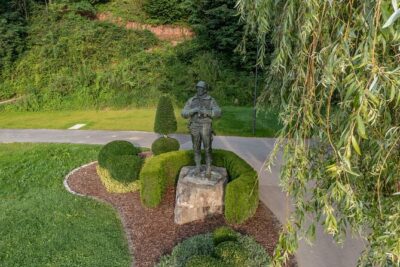
You’ll see the Brooding Soldier monument, which honors Canadian soldiers. That connection matters because it helps you map the Commonwealth role in the sector you’re traveling through. It’s also a change from the “pure cemetery” vibe. A monument in a town gives you a wider idea of how this war shaped community memory, not just battlefield land.
You’ll have time for lunch on your own. Since lunch isn’t included, you’ll want to plan for a quick meal that doesn’t eat too much of your free time.
Flanders Fields Museum: the big-picture explanation before more cemeteries
After Diksmuide, you head to the Flanders Fields Museum around 1:30 PM for about 1.5 hours. This stop is crucial because it turns the scattered sites into a connected story.
Museums like this help you understand the war’s impact beyond the obvious images. You’ll come away with a clearer sense of why Flanders became such a defining landscape for WWI, and how the front lines shaped daily life and long-term memory.
This is a good point in the day to let your brain catch up. Earlier you’re seeing memorials. Later you’ll see scale again at larger cemeteries. The museum helps you interpret what you’re seeing instead of just cataloging it.
Passchendaele battlefield stop: where scale meets strategy
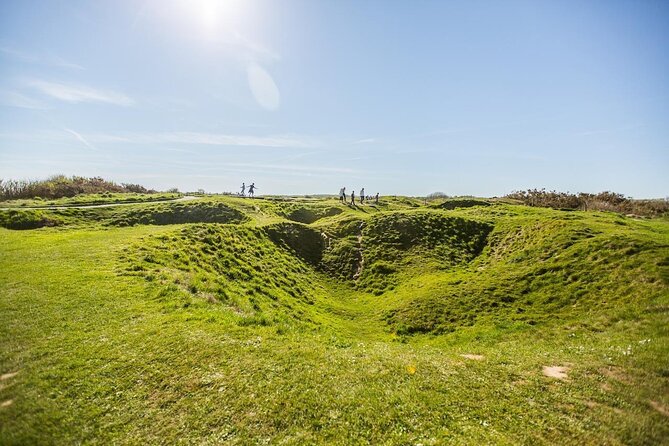
At about 3:00 PM, you reach the Passchendaele Battlefield area and the Passchendaele Museum stop (about 1.5 hours). This is where the day shifts from learning to witnessing the terrain.
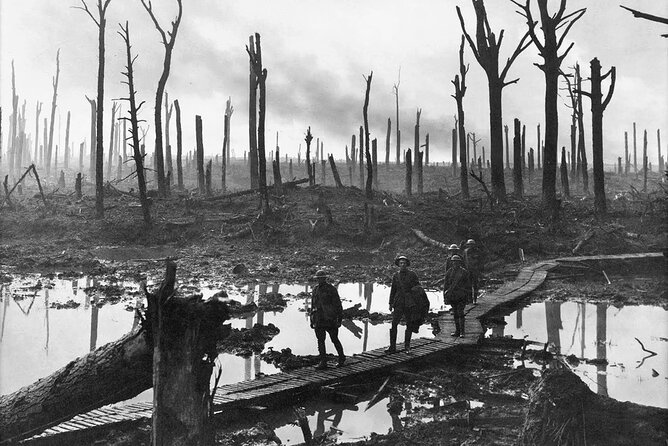
Battlefield landscapes can look almost harmless today. That’s part of what makes them unsettling. You’re looking at land where intense fighting unfolded, and you start to grasp how decisions, weather, and ground conditions mattered.
This is also a practical timing moment. Mid-afternoon can feel like a dip in energy, so having a scheduled museum stop helps keep things structured. You get guided context, then time to look around with your own questions.
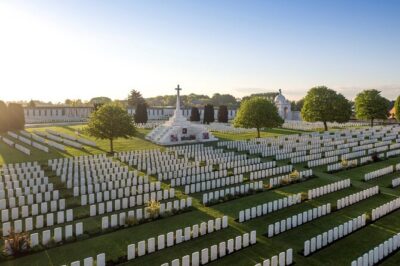
Tyne Cot Cemetery: the largest Commonwealth cemetery feeling
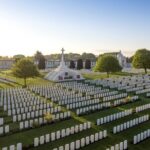
Around 4:30 PM you arrive at Tyne Cot Cemetery, with about 50 minutes there. Tyne Cot is the kind of stop where you don’t just feel history. You feel the sheer number of people commemorated.
This is described as the largest Commonwealth cemetery, and that size is exactly the point. When you walk through, you start to understand what mass loss looked like in physical form. It’s one thing to read statistics. It’s another to see the arrangement and the names.
If you choose the Last Post itinerary, this timing helps. Even though the day is already full, getting this major site done before Ypres keeps the emotional intensity from stacking too high all at once.
Essex Farm Cemetery: where In Flanders Fields got inspiration
The next stop is Essex Farm Cemetery around 5:30 PM, also about 50 minutes. This one carries a specific literary connection: it’s where In Flanders Fields was inspired.
That detail can change how you interpret the memorials. You’ll likely find it easier to connect poetry to place. The words you’ve seen in books suddenly have a map behind them. In a day packed with remembrance, this is a nice reminder that the war echoed into art, grief, and the way people tried to make meaning afterward.
Ypres (Ieper): town time and the road toward Menin Gate
Arriving in Ypres (Ieper) around 6:30 PM, you get about an hour to explore the wartime history area of the town. This part is free time, which is a gift and also a chance for you to steer your own interest.
A town stop works well here because it shows WWI memory isn’t locked in cemeteries. It’s part of streets, buildings, and public identity. Even if you stick mostly to the town’s memorial-focused areas, this break helps you breathe before the ceremony.
If you’re doing the standard itinerary, this is where your day gently ends. If you’re doing the ceremony route, you’re building toward the emotional climax.
Menin Gate and the Last Post: the ceremony that changes the day’s meaning
The ceremony stop begins around 7:30 PM at the Menin Gate Memorial. You’ll attend the Last Post Ceremony (about 30 minutes) with admission included.
This is the single most distinctive feature of the later-day option, and it’s exactly why the day runs long. The ceremony transforms the other stops. Everything you saw—German cemetery grief, Canadian memorials, Commonwealth scale—comes together in one focused tribute.
Plan for stillness. You don’t need to rush. If you want a good view, arrive with a calm mindset so you’re not scrambling. Also, expect the mood to be shared by people around you. That matters.
Price and what you’re really paying for at $590 per person
At about $590.02 per person, this is not a cheap day trip. But it’s also not trying to be a bare-bones bus tour.
Here’s where the value comes from:
- Private transportation for the day, with hotel pick-up and drop-off.
- Tickets to all sites and a structured schedule that strings together museums and multiple cemeteries.
- WiFi on board plus bottled water, which may sound small, but it helps on a long day.
The price also makes more sense if you’re traveling as a group and you’d otherwise pay for multiple tickets, transit tickets, and time lost between scattered sites. WWI memorials aren’t all clustered together, so private transport is what keeps the day coherent.
The one clear caution is that you’re paying for a timed experience. In one past situation reported by a customer, a 30-minute delay and a mismatch with the expected on-the-ground guidance created frustration. Even if you’re not expecting problems, it’s worth choosing this style of tour when you can accept that schedules can shift, especially on busy days.
Practical tips for making this kind of tour feel personal
This is a heavy subject. Small practical choices make the day easier.
Bring layers. Late afternoon and evening can feel cooler, especially once you’re in Ypres at ceremony time.
Use your free time wisely. When you get the open window in Diksmuide and the town time in Ypres, decide ahead of time what matters to you—monuments, walking, or a quick place to reset.
Choose your pace. Some stops are short and focused; others give more time to look. Let your energy match the schedule instead of trying to power through every site the same way.
Also, if you’re sensitive to crowds and prefer quiet, consider the ceremony day carefully. It’s part of the attraction, and it can also be more intense because many people gather in one place.
Who should book this WWI battlefield day in Flanders?
This tour fits best if you want:
- A private day with a dedicated guide and transportation.
- A route that balances cemeteries, museums, and town remembrance.
- The chance to experience the Last Post Ceremony if that’s on your list.
It’s also a strong choice for couples and small groups who want a guided explanation without the friction of public transit. If you’re traveling solo, the private format can still feel worth it because it saves time and keeps the narrative clear.
If you need a super flexible day with lots of slow, independent wandering, this might feel structured. The schedule is built to hit specific places in order.
Should you book it?
I’d book this tour if you want a clear, guided WWI route across Flanders and you care about ending with the Menin Gate ceremony. The combination of major memorial cemeteries, museum context, and the option to match your day to your emotional priorities makes it a strong fit.
I’d think twice if you’re the kind of traveler who can’t handle timing slips. With ceremony timing, small delays can feel big. If that sounds like you, choose the standard day route and keep your plans afterward relaxed.
If you do book, I’d plan your day to be calm and unhurried beyond this tour. You’ll come back tired, but in that good way where your understanding is sharper and your questions feel more grounded.
FAQ
How long is the Brussels to Flanders World War I tour?
It runs about 13 hours.
What time do I get picked up in Brussels?
The standard itinerary pick-up is at 8:00 AM. The option with the Last Post Ceremony pick-up is at 11:00 AM.
Is lunch included?
No. Lunch isn’t included.
Are tickets included for the sites and museums?
Yes. Tickets to all sites are included, and the museum stops are included as part of the day.
Is this tour private?
Yes. It’s a private tour/activity, and only your group participates.
What language is the tour offered in?
It’s offered in English.
More Brussels Outings

More Tour Reviews in Brussels



The Battlefields Near Brussels
Hot Off the Press: New Brussels Reviews


Waterloo & Battlefield Day Trips from Brussels, compared.
 ★ 4.5Flanders Fields Remembrance Tour from BrusselsFrom $113334 reviews
 ★ 5.0Remembrance Tour: The Battle of the Bulge in the ArdennesFrom $10751 reviews
 ★ 4.8From Brussels: The Battle of the Bulge Remembrance TourFrom $9737 reviews
 ★ 5.0Historic Battle of the Bulge Sites Tour from BrusselsFrom $70131 reviews
 ★ 4.5Bastogne Battle of the Bulge from Brussels (semi-private)From $1,50526 reviews
 ★ 4.5From Brussels: Patton’s Battle of the Bulge Day Trip (LUX+BE)From $1,05615 reviews
 ★ 5.0The Battle of The Bulge tourFrom $1,74413 reviews
 ★ 4.5Napoleon Last Campaign (Waterloo, Ligny..) Day Tour from BrusselsFrom $78110 reviews
Browse the lists this tour appears in