
Reviewed · BRUSSELS ART NOUVEAU TOURS
Brussels 3-Hour Guided Art Nouveau Tour
Brussels has a style you can spot fast. This Brussels Art Nouveau tour puts you in front of famous homes and explains how designers in the late 1800s and early 1900s built dreamlike facades. You focus on Victor Horta and other major names, with a guide who teaches you what to look for, not just what to memorize.
I especially like the way the route moves through the Bailli district, where Art Nouveau feels concentrated in real streets, not a single showcase. I also like the practical “see what you can’t yet notice” approach, including visual support like printed interior photos when you can only view exteriors.
One watch-out: you mainly look at exteriors from the street, and you don’t tour inside the houses during the walk. If you were hoping for hands-on interior access, plan to add museum time at the end.
In This Review
- Key things to know before you go
- Why this Art Nouveau tour works (and not just for architecture nerds)
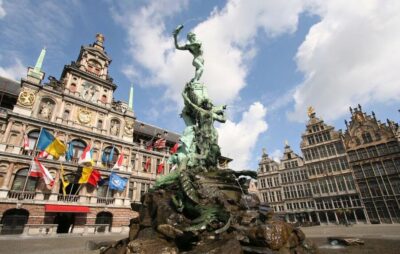
- Meeting at Grand-Place: your first landmark lesson
- How the guide teaches you to look at Art Nouveau
- The walk through Brussels’ key Art Nouveau addresses
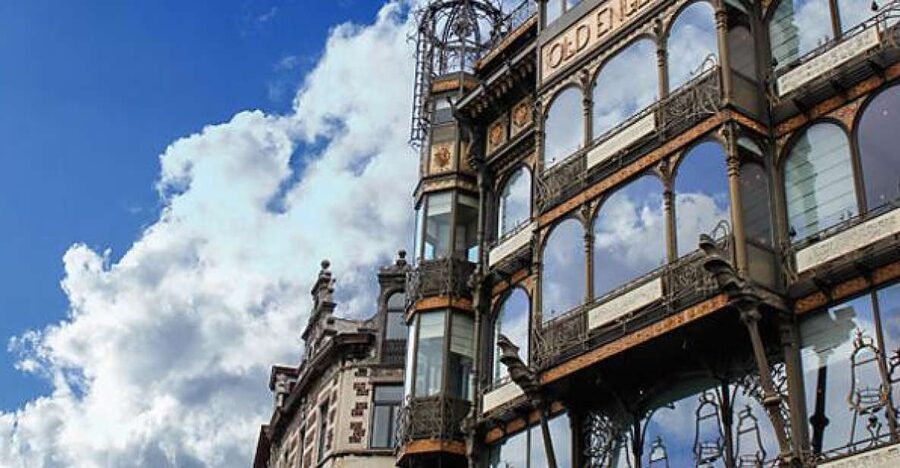
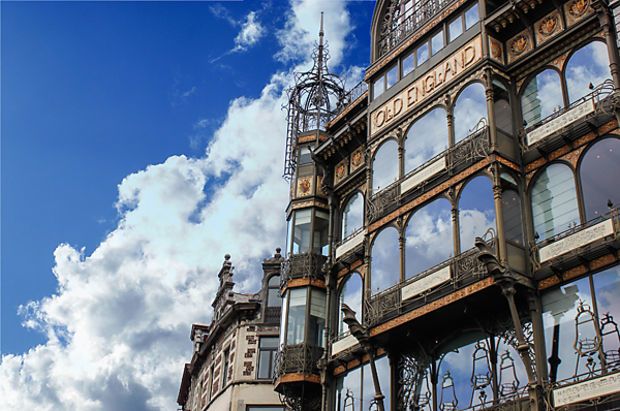
- Old England House (Music Instrument Museum)
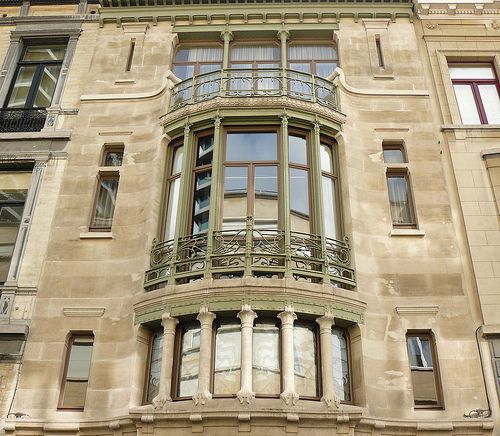
- Hotel Tassel (Victor Horta, 1893–1894)
- Van Rysselberghe House (Octave van Rysselberghe, 1912)
- Hotel Otlet (Octave van Rysselberghe and Henry van de Velde, 1894–1898)
- Hotel Goblet d’Alviella (Octave van Rysselberghe, 1882)
- Hotel Ciamberlani (Paul Hankar, 1897)
- House of painter René Janssens (Paul Hankar, 1898)
- Architect Armand Van Waesberghe
- The Beukman house (Albert Roosenboom, 1900)
- Private home of architect Paul Hankar
- Ending outside Victor Horta Museum: plan your next step
- Price and value: what $35 buys you in Brussels
- Logistics that affect your experience (the stuff that matters)
- Who should book this tour (and who might not)
- Should you book? My straight answer
- FAQ
- Where is the meeting point?
- What time does the tour start?
- How long is the tour?
- What does the tour cost?
- What languages are offered?
- Is museum admission included?
- Does the tour include transportation by tram or train?
- Will I go inside the Art Nouveau buildings?
- What should I bring?
- Can I cancel for a refund?
Key things to know before you go
- Grand-Place meeting point at 10:00 with the guide holding a white umbrella
- Tram ride to the Bailli district, so you see a part of Brussels that’s easy to miss on foot
- Stop list includes major Art Nouveau architects like Victor Horta, Paul Hankar, Octave van Rysselberghe, and Henry van de Velde
- Ends at Victor Horta Museum, with museum entry not included in the tour
- Tour guide languages: Spanish, English, French, which can help you follow the details
Why this Art Nouveau tour works (and not just for architecture nerds)
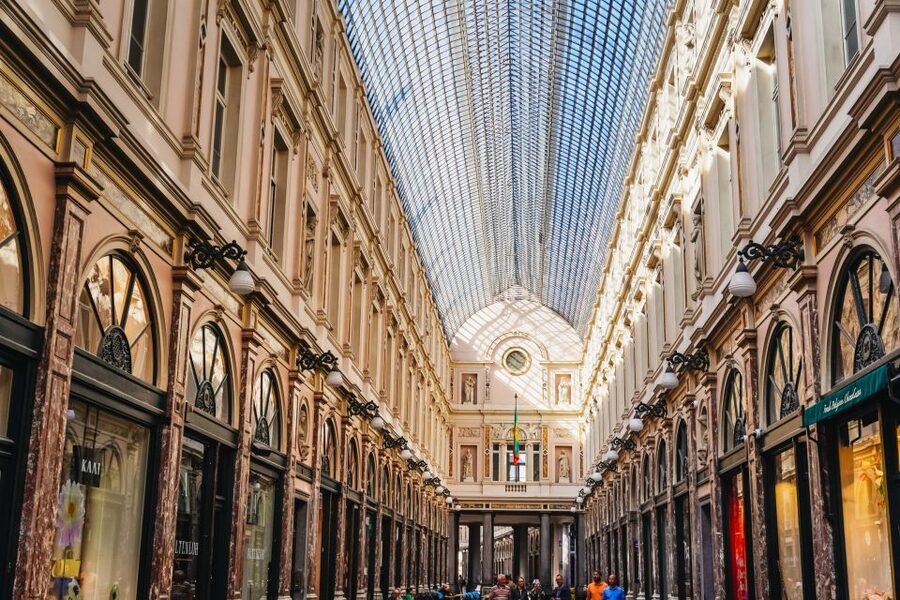
Art Nouveau in Brussels isn’t one building. It’s an idea you learn to recognize: swirling lines, playful structure, and materials used in surprising ways. This tour focuses on that “how” behind the style—especially how iron, glass, wood, and stone can be combined to create different effects street after street.
What makes the experience valuable for you is the guided attention. You’re not just taking photos of pretty doors. The tour’s structure helps you start spotting recurring traits—then you can keep using that skill later when you walk on your own.
It also keeps your time efficient. At $35 for a 3-hour guided outing, you’re paying for a focused route plus explanation, not just movement around the city.
More Horta curves and Art Nouveau facades
- Brussels: Art Nouveau Pass – Entry to Three Locations
★ 4.0 · 108 reviews - Architecture Tour of Brussels
★ 5.0 · 10 reviews - Brussels: 2-hours “Art Nouveau” Walking Tour
★ 4.5 · 7 reviews
Meeting at Grand-Place: your first landmark lesson
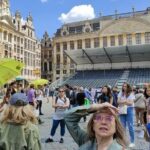
You meet at the Grand-Place in Brussels at 10:00, and the guide holds a white umbrella so you can find them quickly. This matters because you can focus on starting the tour in the right mindset instead of circling the square.
From there, the plan is straightforward. You take a tram toward the Bailli district, described as a famous pocket of Brussels with a large concentration of Art Nouveau buildings. That tram segment is part of the pacing: you get a smooth transport jump without turning the day into a long transit grind.
Comfort matters more than you might think. I’d wear shoes you can walk in for a solid stretch, since the stops are spread across neighborhoods and the experience includes a fair amount of walking.
How the guide teaches you to look at Art Nouveau
The best tours don’t dump facts—they train your eyes. Here, the guide’s role is to connect each exterior you see to the bigger Art Nouveau story: the style’s history and how designers made structure feel expressive.
You’ll hear about Victor Horta and the designers who followed and collaborated with him. You’ll also keep coming back to the materials theme—how builders used iron, glass, wood, and stone not as separate elements, but as parts of one design language.
One smart touch from real-world experience: because you view buildings from the outside, the tour can use visual aids like interior image printouts. That helps a lot when a facade alone doesn’t tell the whole design story.
The walk through Brussels’ key Art Nouveau addresses
The tour covers a tight sequence of high-impact buildings, with each stop giving you a different perspective on how Art Nouveau shows up in real life—newness of form, daring combinations of materials, and the personalities of the architects.
Here’s what you’ll pass, in the order the tour lists it, plus what each stop is really doing for your understanding.
Let a local lead, more easy days
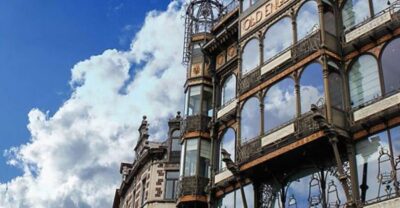
Old England House (Music Instrument Museum)
Your first major stop sets the tone with a building tied to Victor Horta’s circle and the larger Art Nouveau era. Even if you only catch pieces of the design from the street, this is an early “start reading details” moment.
Hotel Tassel (Victor Horta, 1893–1894)
This is the one many people associate with Brussels Art Nouveau. Seeing Hotel Tassel on your route is like getting the anchor point first, so later buildings make more sense when you compare style choices.
The guide’s material-and-form theme usually lands well here. It’s where you start linking Horta’s influence to what you notice on other facades.
Van Rysselberghe House (Octave van Rysselberghe, 1912)
Switching architects is part of the learning curve. When the tour moves from Horta to Octave van Rysselberghe, you’re watching Art Nouveau behave like an evolving language rather than a single look.
This stop helps you practice what to compare: not just “pretty,” but how different designers treat ornament, structure, and the rhythm of openings.
Hotel Otlet (Octave van Rysselberghe and Henry van de Velde, 1894–1898)
This is where collaboration comes into play. When more than one name is credited, you can sense how Art Nouveau could shift from project to project while staying recognizable.
Expect the guide to connect the building to the broader movement’s timing and experimentation—especially since Henry van de Velde is one of the big names linked with the era.
Hotel Goblet d’Alviella (Octave van Rysselberghe, 1882)
This is an earlier date in the tour flow, which is useful. It gives you contrast when you later see the more mature, fully confident expressions of Art Nouveau.
You’ll also get a chance to notice how the style can look different at different stages—so the tour doesn’t feel like one repeating facade type.
Hotel Ciamberlani (Paul Hankar, 1897)
Now you shift into the Paul Hankar segment. That’s valuable because Art Nouveau in Brussels isn’t owned by one architect. Watching the style change when the author changes is part of the point.
Even from the outside, it’s easier to spot differences when the guide keeps reminding you what to look for.
House of painter René Janssens (Paul Hankar, 1898)
This stop adds a human layer. Instead of treating these buildings like museum objects, you see how artists and architects mixed social life with design ambition.
It’s a good pause in the walk if you like context—why certain people were eager to build in this style during this era.
Architect Armand Van Waesberghe
This is another name-based stop that keeps the tour from becoming a “greatest hits only” loop. You’re learning the network of creators shaping Brussels Art Nouveau.
I like this approach when I’m traveling: it helps you build a mental map of who mattered, not just what was photographed.
The Beukman house (Albert Roosenboom, 1900)
Changing architects again gives you a “check your assumptions” moment. You can test whether your eye is learning actual traits of Art Nouveau or just reacting to any ornate exterior.
This is also a helpful point in the tour because your brain has usually started to recognize patterns by now.
Private home of architect Paul Hankar
Finishing this Hankar-focused stretch with his own private home reinforces the idea that Art Nouveau wasn’t only for public statements. It could also show up in personal space and everyday reality.
That ending beat before the museum stop helps you connect the last exterior details to the movement’s larger purpose: design as identity.
Ending outside Victor Horta Museum: plan your next step
The tour finishes in front of Victor Horta Museum. Museum admission is not included, so you’ll need to decide on your own whether you want to pay and go inside after the walk.
This is where you can make the tour feel whole. I’d consider pre-planning your museum visit so you don’t arrive and then face ticket timing issues. A smart move is to line up entry as soon as possible after the tour ends, since that’s when the architecture lessons are still fresh.
If you’re the type who learns fastest by seeing interiors, the museum stop can be your “street-view equals part one” solution.
Price and value: what $35 buys you in Brussels
At $35 per person for 3 hours, this tour is priced like a focused specialist experience. You’re not paying for museum entry or any train rides to reach Brussels—what you’re buying is the guided route plus interpretation.
Here’s how I think about the value:
- You’re paying to cover a sequence of named Art Nouveau buildings instead of trying to piece the neighborhood together yourself.
- You’re paying for the guide’s ability to explain the style’s history and material logic, so you learn more than “this building looks cool.”
- You’re paying for access to the Bailli district on a path that’s efficient and organized.
If you’re already obsessed with Art Nouveau and you’ll spend hours reading afterward, the tour still holds value because it teaches you faster recognition skills. If you’re brand new to the topic, it saves you time by giving the big concepts early.
Logistics that affect your experience (the stuff that matters)
This tour runs 3 hours and begins at 10:00. You’ll walk and also take a tram as part of the route.
Two practical considerations:
- If your group is larger or the tour runs bilingually, expect the pacing to feel a bit slower. That’s often just how repeated live interpretation works with a group.
- Because you only visit exteriors from the street, bring your curiosity for details and accept that you’ll rely on explanations (and any interior photos the guide shares) for the full picture.
Good news: the meeting point is clear, and the guide is easy to find at the Grand-Place.
Who should book this tour (and who might not)
This is a great fit if you want:
- A structured introduction to Brussels Art Nouveau
- A path that highlights Victor Horta plus other major architects
- Help spotting the style’s key design ideas tied to material use
It’s also useful for travelers who like to mix sightseeing with learning. You get history and architecture context without turning it into a lecture.
You might consider another option if you specifically want guided interior access inside multiple private houses. This tour is set up for street viewing, and that limitation can feel frustrating if interiors are the main goal.
Should you book? My straight answer
I’d book this tour if you’re visiting Brussels for the first time and you want to understand Art Nouveau quickly and in a real neighborhood setting. The combination of a planned route, multiple named buildings, and design-focused explanation makes the 3 hours feel purposeful.
I’d also book it if you plan to visit Victor Horta Museum afterward. Ending there gives you an easy next step to turn exterior impressions into a deeper look.
If you’re mainly after a “see inside everything” experience, you’ll likely need to add other activities beyond this walk. In that case, treat this as your smart orientation to what you should look for before you go deeper.
FAQ
Where is the meeting point?
The tour meets at Grand-Place in Brussels. The guide will be holding a white umbrella.
What time does the tour start?
The tour starts at 10:00.
How long is the tour?
It lasts 3 hours.
What does the tour cost?
The price is $35 per person.
What languages are offered?
The live guide offers Spanish, English, and French.
Is museum admission included?
No. Museum admission is not included.
Does the tour include transportation by tram or train?
Train transportation is not included, but the route includes a tram ride from the Grand-Place to the Bailli district as part of the program.
Will I go inside the Art Nouveau buildings?
Based on the tour format, you mainly view buildings from outside, and there are no interior visits of the houses during the walk.
What should I bring?
Wear comfortable shoes, since the tour involves walking.
Can I cancel for a refund?
Yes. You can cancel up to 24 hours in advance for a full refund.
More Brussels Outings

More Tour Reviews in Brussels




Brussels in Art Nouveau
Hot Off the Press: New Brussels Reviews


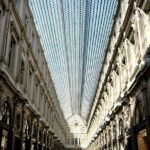
Brussels Art Nouveau Tours, compared.
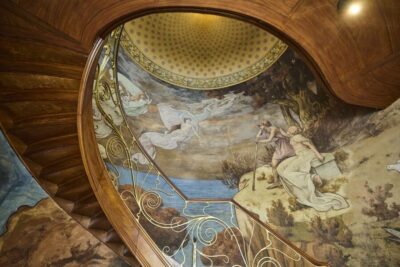 ★ 4.0Art Nouveau Pass – Entry to Three LocationsFrom $29108 reviews
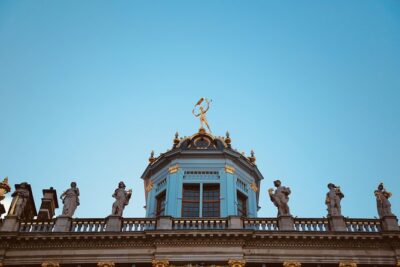 ★ 5.0Architecture Tour of BrusselsFrom $3010 reviews
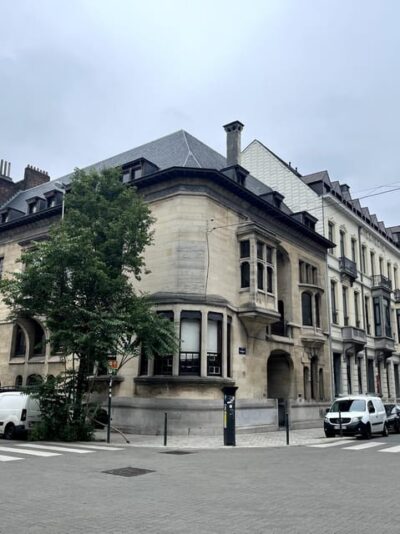 ★ 4.52-hours “Art Nouveau” Walking TourFrom $1367 reviews
 ★ 5.0Fall and Rise of Art-Nouveau Guided TourFrom $175 reviews
 ★ 5.0Art Nouveau Walking Tour with a Local GuideFrom $915 reviews
Browse the lists this tour appears in