
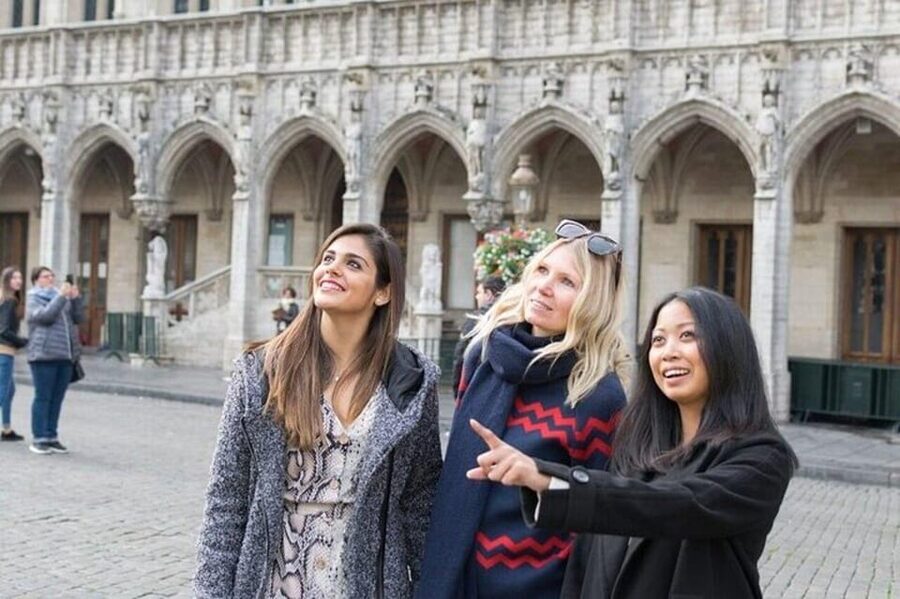
Reviewed · BRUSSELS OLD TOWN & GRAND-PLACE WALKS
Brussels Must-See Attractions Walking Tour
Brussels has a way of turning first-time confusion into quick laughs, especially on this 2-hour walking plan with a live guide. I like the tight route that still covers the city’s big hits, and I also like how the guide connects landmarks like Manneken Pis to the local mindset, not just dates and stones. The main drawback is simple: it’s a compact schedule, so if you want long stops, deep museum time, or lots of free wandering, you may feel a bit rushed.
You can do it as a group or go private, and the guide works in French, English, Spanish, or Italian. That flexibility matters in Brussels, where walking pace and personal interests can make the difference between a satisfying “see the sights” day and a tour that actually helps you plan the rest of your trip.
Your walk starts at Bd Anspach 188, right in front of the Vibes shop, and it ends in the heart of Brussels at the Grand Place. Along the way you’ll visit the stops that first-timers usually circle on a map, plus a few places that make the city feel like more than postcards.
In This Review
- Key moments that make this tour worth your time
- A two-hour route that hits the right mix of icons and local quirks
- Where the walk begins: Bd Anspach 188 and the Vibes shop
- St. Nicholas Church, Maison Dandoy, and the Grand Place build-up
- Grand Place tavern stop: history made human-scale
- Manneken Pis and Jeanneke Pis: why Brussels never takes itself too seriously
- Jacques Brel and the music-to-streets connection
- Les Galeries Royales Saint-Hubert: the “walk through” that feels like a mini-city
- Jeanneke Pis to Royal Theatre Toone: ending with character
- Price and value: what $32 buys you in real terms
- Group vs private: when one fits better than the other
- Guides and what you should look for during your walk
- Practical tips for getting the most from the route
- Should you book this Brussels Must-See Attractions Walking Tour?
- FAQ
- How long is the Brussels Must-See Attractions Walking Tour?
- Where does the tour start?
- What are the main stops on the walking tour?
- Is the tour available in multiple languages?
- Is there a private tour option?
- Is the tour wheelchair accessible?
- Does the tour include transportation costs?
- What is the cancellation policy?
Key moments that make this tour worth your time
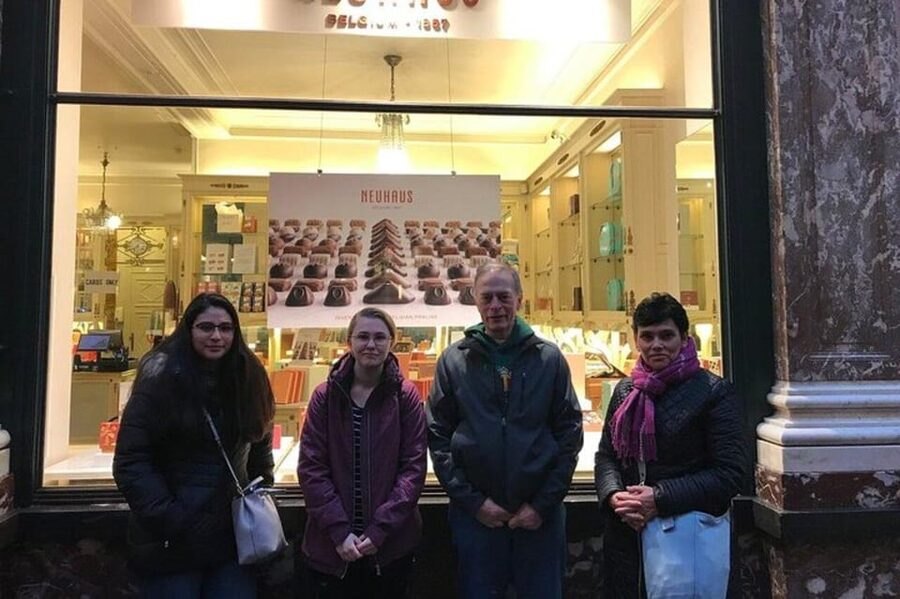
- Vibes shop start point that gets you moving quickly in central Brussels
- St. Nicholas Church + Maison Dandoy for a Grand Place-area intro that feels grounded
- Grand Place with context, not just a photo stop
- Manneken Pis and Jeanneke Pis explained as cultural oddities you can’t unsee
- Jacques Brel and Saint-Hubert Royal Galleries for music-meets-architecture atmosphere
- Royal Theatre Toone interior, plus a chance to spot the resident cat
A two-hour route that hits the right mix of icons and local quirks
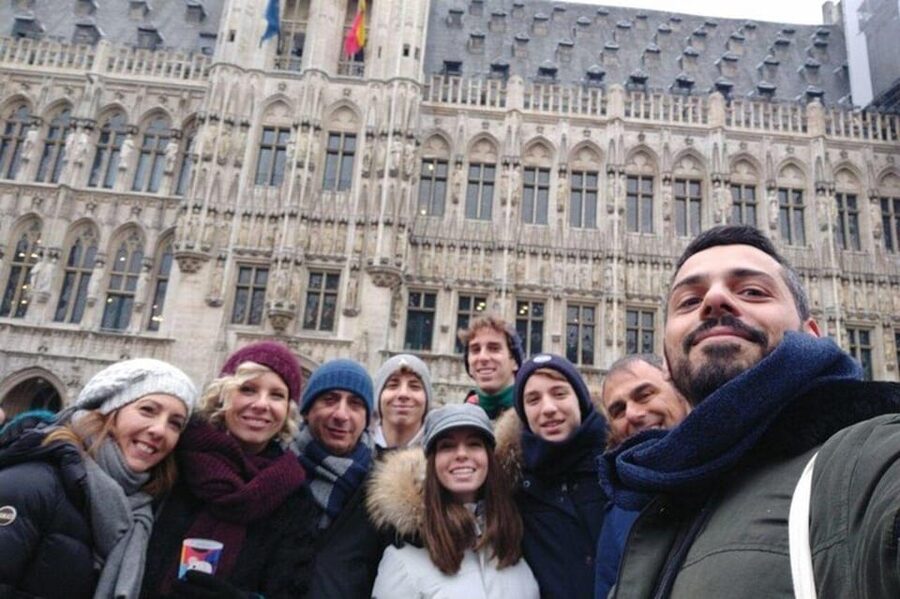
This is a must-see tour designed for reality. Two hours is not long, so the best tours are the ones that don’t try to do everything. Here, you’re guided through a smart loop that ties together major landmarks and playful Brussels characters, so you leave with a clearer sense of what the city values.
What I like most is that the tour doesn’t treat the famous sights like disconnected trophies. When you stand at a landmark like Manneken Pis, you’re not only looking at a statue—you’re learning why it has that famous reputation of being infamous and loved at the same time. That kind of explanation changes how you see it, and it makes the quick route feel more meaningful than a checklist.
You also get that “I get it now” feeling from the pacing. The itinerary keeps moving, but you still get guided tour stops at each location, so you don’t just walk past things while your phone battery dies.
Deeper into the Grand-Place, more old-town walks
- Brussels Must-See Attractions Walking Tour
★ 4.7 · 67 reviews - Brussels Old City’s Highlights Walking Tour
★ 5.0 · 49 reviews - Brussels: Private Tour of the Upper and Lower City
★ 4.3 · 33 reviews
Where the walk begins: Bd Anspach 188 and the Vibes shop
Getting started matters, especially in a city where the center can feel busy and easy to overthink. The meeting point is at Bd Anspach 188, in front of the Vibes shop. If you arrive a little early, you can get your bearings fast and avoid starting stressed.
This helps you enjoy the first landmark instead of spending it searching for your group. And since the whole experience lasts about 2 hours, being on time gives you the most time at the stops that matter.
St. Nicholas Church, Maison Dandoy, and the Grand Place build-up
The tour begins with St. Nicholas Church. Even without getting stuck in technical detail, a church stop like this works well at the start because it sets the historical tone for the rest of your walk. It’s a good “anchor” before you move into the postcard-famous area of the city.
Next comes Maison Dandoy – Grand Place. This is one of those places that feels famous once you see it, and it also helps you connect the name “Grand Place” to what surrounds it—buildings and streets that shaped everyday life. Whether you’re interested in architecture, local traditions, or just want to feel oriented, stops like this make the center easier to understand.
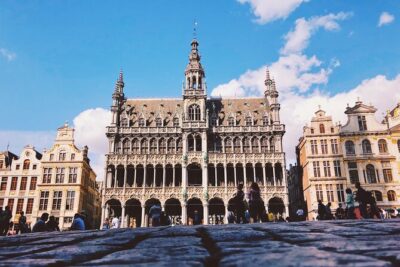
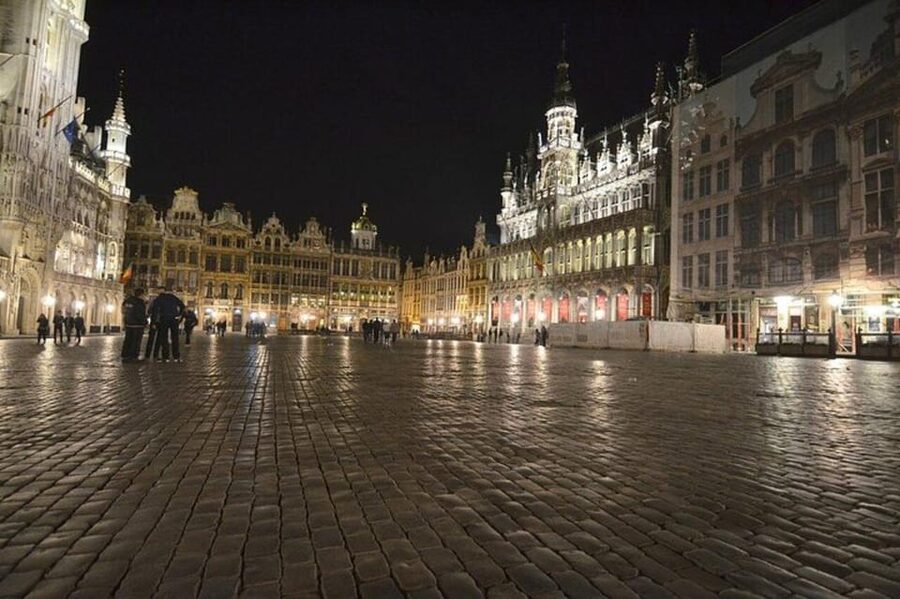
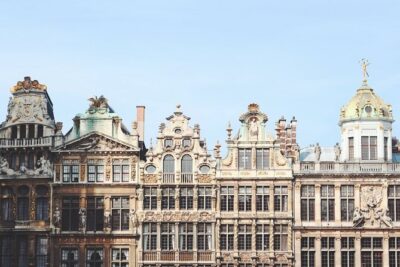
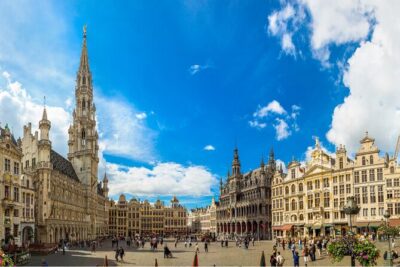
Then you reach Grand Place itself, and you’ll get a guided look rather than a quick pose-and-go. Grand Place is the kind of place where context improves the experience. A guide helps you notice what you might miss on your own—how the surrounding areas read as a single public space, and why the city puts so much energy into it.
One small consideration: since the tour continues right through multiple core stops, you may want to avoid planning a big shopping detour right at the center before or after. You’ll likely be thinking, watching, and listening more than browsing.
Grand Place tavern stop: history made human-scale
After the Grand Place focus, the itinerary includes the Grand Place Middle Aged Tavern. I like this kind of stop because it keeps the tour from becoming only “big stone, big views.” A tavern stop tends to make history feel more day-to-day, even when you’re not eating or drinking on the tour.
The practical win: you’ll get a short, guided interruption in the walking rhythm right where you’d naturally slow down anyway. That helps you stay fresh for the more playful parts of the route coming next.
Brussels at walking pace, more routes


Manneken Pis and Jeanneke Pis: why Brussels never takes itself too seriously
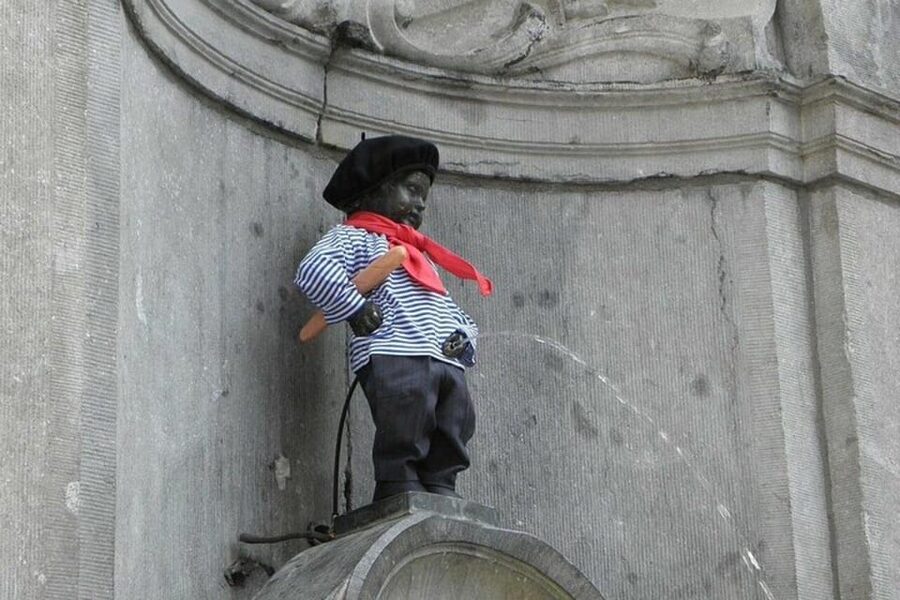
No Brussels sightseeing walk is complete without Manneken Pis, the famous peeing statue. It gets called infamous, but it’s also loved—because Brussels has this talent for turning something cheeky into a city emblem. A guided explanation changes the experience from a quick tourist snapshot into something you can actually interpret.
Then later you’ll also visit Jeanneke Pis. Having both on the same route is smart. You start to see the theme: Brussels isn’t shy about humor, public art, and repeating motifs in different forms. It also gives you a chance to compare your reactions as the tour goes—first the original icon, then the sibling figure—so you understand why locals keep talking about them.
If you’re traveling with kids, these stops usually land well because they’re visual and instantly recognizable. If you’re an adult who thinks you’ve “already seen that,” the guide’s cultural framing is what turns it into a more satisfying stop than you might expect.
Jacques Brel and the music-to-streets connection
After the statues, the route includes L’envol – Statue de Jacques Brel. This is a great breather stop because it shifts you from quirky humor into Brussels’ artistic side.
Even if you don’t know Brel’s catalog by heart, you’ll likely appreciate how the city marks cultural figures in public space. A statue like this is the opposite of a museum label—it’s meant to be encountered while you’re walking. The guide’s role here is to connect the art reference to why it matters in Brussels’ identity, so you’re not standing in front of a monument with no context.
Les Galeries Royales Saint-Hubert: the “walk through” that feels like a mini-city
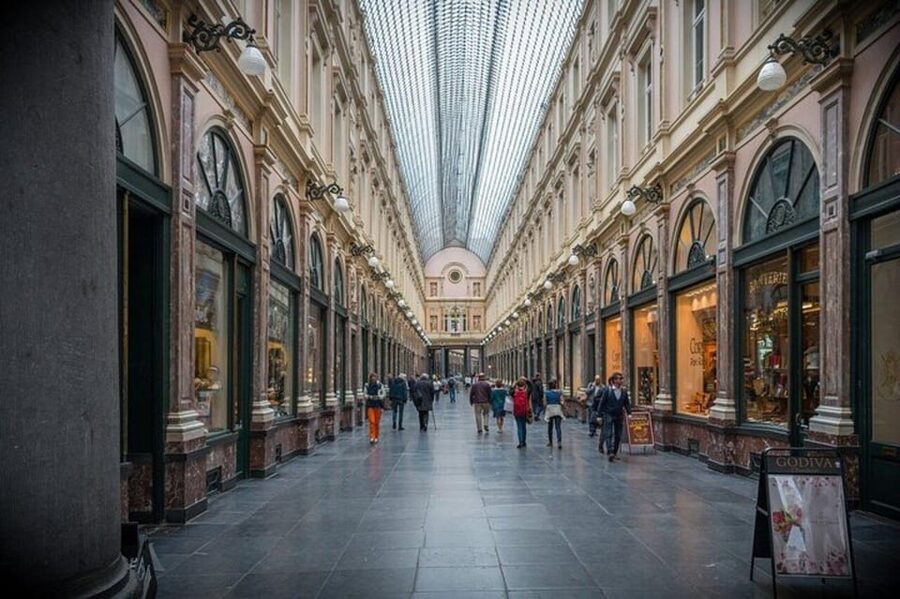
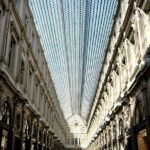
One of the best spots on this route is Les Galeries Royales Saint-Hubert, also known as the Royal Galleries. You’ll get a guided visit here, which helps because these places can be visually stunning but easy to skim.
This stop works because the galleries are a change in pace. You’re moving differently now—more sheltered, more architectural, more “look up” and notice details as you go. It’s also a satisfying reset between the statue stops and the theatre experience at the end.
Practical tip: bring your camera mindset. In galleries like this, the most memorable photos often come from angles you wouldn’t take on a street. Let the guide point out what to notice, and you’ll get better results than if you just scroll while walking.
Jeanneke Pis to Royal Theatre Toone: ending with character
The tour continues to Royal Theatre Toone, and this is one of those “only-in-Brussels” moments. You get the chance to explore the interior of the old theatre and see the resident cat. That detail sounds small, but it’s exactly the kind of local, lived-in charm that makes a tour feel less generic.
This is also a good finale. After the statues and galleries, a theatre interior gives the city a new mood—more theatrical, more historic, more human. And since the tour ends back in the center at Grand Place, you finish with the place you’ll want to remember most.
If you like continuing your day on foot, this ending spot is convenient. Grand Place is central, and it’s a strong “meeting point” for whatever you plan next.
Price and value: what $32 buys you in real terms
At $32 per person for a 2-hour guided walk, the value comes from packing in guided context across multiple landmarks without you having to do the heavy lifting.
Here’s how I think about the price:
- You’re paying for a real guide, not just directions.
- You’re getting visits to a concentrated set of stops, including churches, a famous square, multiple iconic statues, and notable covered architecture.
- If you choose a private option, public transportation costs are included, which can matter if your day needs flexibility.
Is it “cheap”? It’s in the mid-range. But it’s also the kind of experience where the guide’s explanations reduce guesswork. In a city like Brussels, where landmarks are close but meanings aren’t always obvious, guidance is often what makes the difference between collecting photos and understanding where you are.
Group vs private: when one fits better than the other
You can choose a group or go private, and that choice affects how you experience the route.
A group option is often best if you want to get oriented fast and don’t mind sharing a pace. It can also be good if you like hearing questions from others, because it may pull extra details from the guide.
A private option can be better if you want more control over how long you linger at certain stops or if you have accessibility needs. The tour is listed as wheelchair accessible, and private format can make it easier to move with confidence without worrying about matching everyone’s pace.
Either way, the tour has live guide support in French, English, Spanish, and Italian, which is a big deal if you’re traveling with someone who prefers not to rely on translations.
Guides and what you should look for during your walk
One reason this tour earns high marks is the guide focus. The experience can turn on who’s leading you. In this case, guides like Savannah, Fabio, and Andrea are specifically named in the feedback, and they’re described as energetic, very informed, and attentive to the little details that casual sightseeing misses.
When you’re on your tour, I’d pay attention to how your guide handles the stories behind the sites. If they’re talking about why Manneken Pis is both infamous and loved, or why the statues and monuments fit into Brussels’ identity, you’ll feel the tour click. And if they’re good at adding small, memorable context, you’ll end up with more than a set of names.
Practical tips for getting the most from the route
To keep the 2-hour experience enjoyable, think about it like a sprint with good stops, not a relaxed stroll.
Wear shoes you trust. You’ll be walking between central landmarks, and since the schedule is tight, you don’t want sore feet eating into your attention.
Plan your photos but don’t plan your timing around them. The guide’s explanations can help you choose better camera moments. Let the story guide your eyes, not the urge to capture everything immediately.
And if you want to extend the day, end-of-tour locations matter. Finishing at Grand Place is useful because you can keep going without having to navigate away from the center.
Should you book this Brussels Must-See Attractions Walking Tour?
If you want an efficient way to see the big Brussels icons—Grand Place, St. Nicholas Church, Manneken Pis, Jeanneke Pis, Jacques Brel, Saint-Hubert Royal Galleries, and the Royal Theatre Toone interior—this tour makes a lot of sense.
I’d book it if:
- You have limited time and want a structured route.
- You enjoy explanations and cultural context more than wandering.
- You like the idea of quirky, iconic stops mixed with real city landmarks.
I’d hesitate if:
- You want lots of free time at just one or two places.
- You prefer museum-style pacing where you can slow down for details without moving on quickly.
FAQ
How long is the Brussels Must-See Attractions Walking Tour?
The tour lasts 2 hours.
Where does the tour start?
It starts at Bd Anspach 188, at the meeting point in front of the Vibes shop.
What are the main stops on the walking tour?
The route includes St. Nicholas Church, Maison Dandoy – Grand Place, Grand Place, Manneken Pis, L’envol – Statue de Jacques Brel, Les Galeries Royales Saint-Hubert, Jeanneke Pis, and Royal Theatre Toone, ending back near Grand Place.
Is the tour available in multiple languages?
Yes. The guide can lead in French, English, Spanish, and Italian.
Is there a private tour option?
Yes. Private group options are available.
Is the tour wheelchair accessible?
Yes, the tour is listed as wheelchair accessible.
Does the tour include transportation costs?
Public transportation costs are included if you select the private option.
What is the cancellation policy?
You can cancel up to 24 hours in advance for a full refund.
More Brussels Outings

More Tour Reviews in Brussels




Around the Grand-Place
Hot Off the Press: New Brussels Reviews


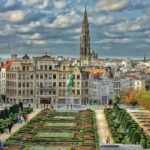
Brussels Old Town & Grand-Place Walks, compared.
 ★ 5.0Visite guidée : Bruxelles, 1000 Ans de LuttesFrom $382 reviews
 ★ 5.0Brussels Old City’s Highlights Walking TourFrom $449 reviews
 ★ 4.3Private Tour of the Upper and Lower CityFrom $35333 reviews
 ★ 4.8Walking Tour from Central Station to Manneken PisFrom $38819 reviews
 ★ 4.5Brussels Old Town & Beer Secrets: Self-Guided Puzzle WalkFrom $611 reviews
 ★ 5.0Brussels 2-Hours Walking Tour: Must-See Highlights in the CenterFrom $4210 reviews
 ★ 4.82-Hour Walking Tour of the Historic Center with a Local GuideFrom $38 reviews
 ★ 4.0A Self-Guided Tour of Brussels: From Medieval to Modern TimesFrom $95 reviews
Browse the lists this tour appears in